“Truly I say to you today, you will be with Me in Paradise.”
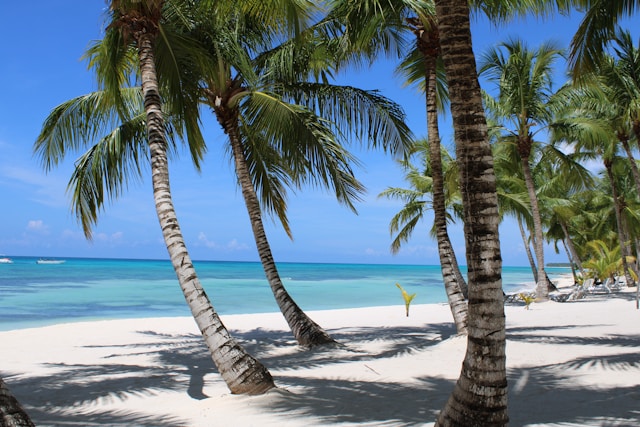
Image by by https://unsplash.com/@rachidnl
I have a deep secret. I am
happy to tell you what it is so long as you do not tell anyone. Is that a deal?
This is my secret. I love children’s books; at my age I should know better, but
it is an addiction. I love them so much that I did a Children’s Literature
module at university.
Gyo Fujikawa is the most
addictive for me. Children in paradise, in tree houses, gentle fairies and
children no bigger than polka-dot toadstool.
https://www.newyorker.com/books/page-turner/how-gyo-fujikawa-drew-freedom-in-childrens-books
Then there’s Astrid
Lindgren’s The Children of Noisy Village. I am a Swedophile who
can speak a bit of Swedish and I am in awe of the beauty and setting where the
tale is filmed. An age of innocence. Swedish village life that will never
return.
https://tv.apple.com/no/movie/the-children-of-noisy-village/umc.cmc.13bmjs0xgg1sv8sju2tv3za5j
There is the Portuguese word
that best explains my longing to enter a world that these stories
encapsulate, Saudade, a longing or nostalgia for
something that cannot be realised.
I guess the reason such
stories appeal is the desire to escape mentally from this broken world. C.S.
Lewis wrote:
“If we find ourselves with a
desire that nothing in this world can satisfy, the most probable explanation is
that we were made for another world.”
Interesting, but what world
did C.S Lewis mean? Did he mean the world of The Lion, the Witch, and
the Wardrobe? No, he was a Christian and academic. He wrote
children’s books and books on Christian apologetics as well as academic books.
The world he was thinking of was the world recorded in Luke 23:43
“Truly I say
to you today, you will be with Me in Paradise.”

