

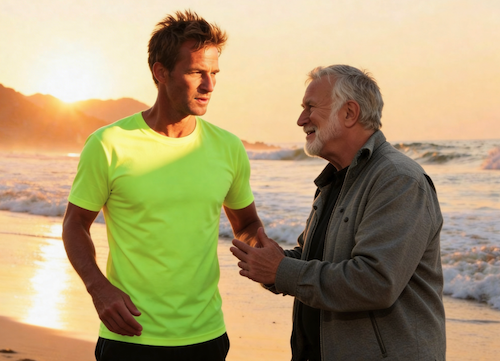
An AI-generated image in which an idealised image of the author as a younger man with an idealised image of Mihaly Csikzentmihalyi derived from a Creative Commons image talking animatedly on a West Coast beach
Yesterday morning, standing on the poolside at 6.00 am for Early Morning Training with 28 swimmers and no other coaches, and only a student assistant for support, I recognised something familiar. I had arrived early. The building was quiet.
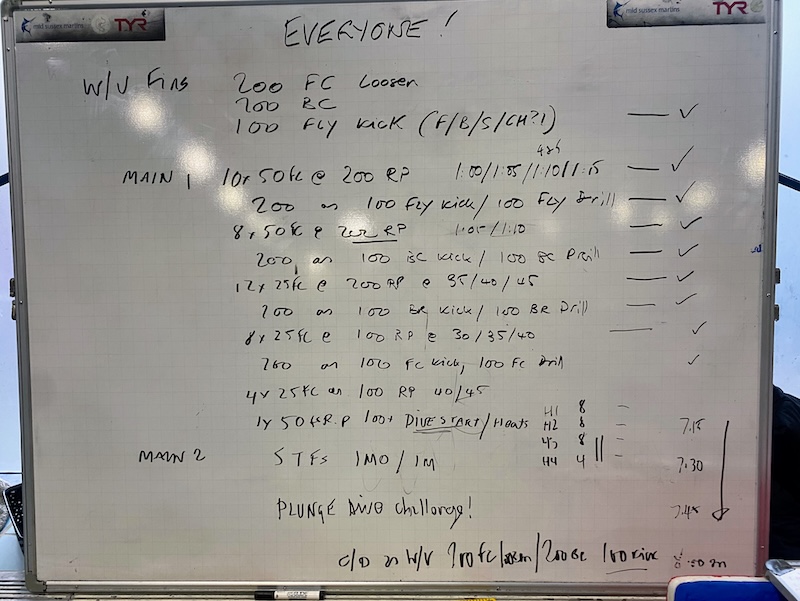
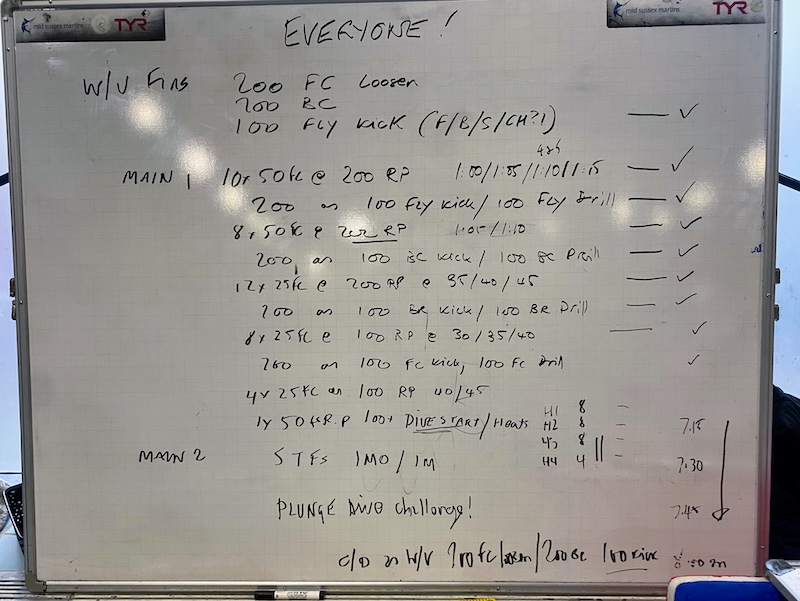
Within minutes, I had a session plan written up and the swimmers organised across lanes. Warm-up flowed into skill work. An hour and fifteen minutes in, and we were into starts, turns and finishes — six of the eight lanes alive with purposeful repetition — before ending with a Plunge Dive Challenge in preparation for next weekend’s gala. I felt completely at ease. Energised. Absorbed. It struck me almost immediately: this is what I studied years ago as “flow state”.
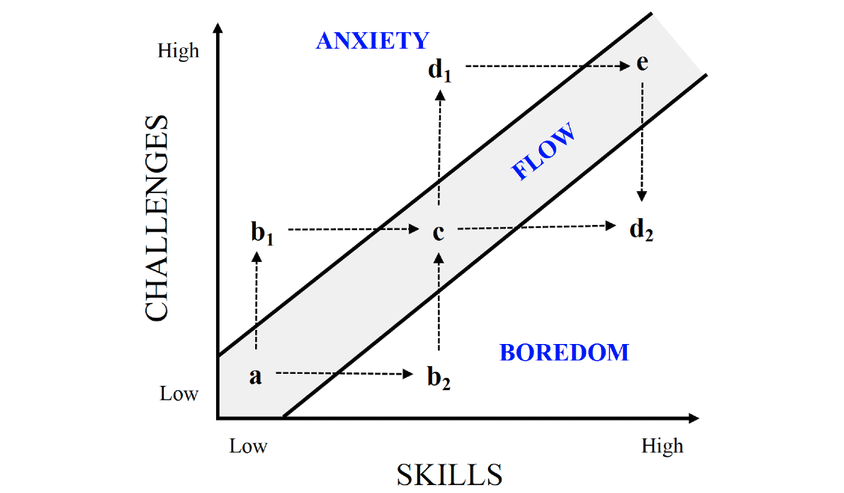
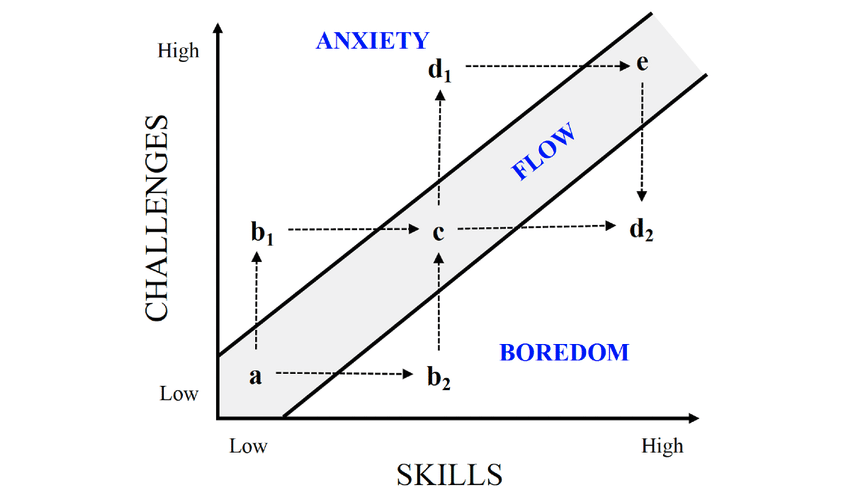
Mihaly Csikszentmihalyi coined the concept in the 1970s and later embedded it into leadership and organisational studies, including during my MBA with the Open University. Flow describes a state of optimal experience where challenge and skill are finely balanced, goals are clear, feedback is immediate, and self-consciousness recedes. Time alters. Action and awareness merge. The activity becomes autotelic — rewarding in itself.
Intellectually, I have known this framework for years. I have experienced it skiing, occasionally windsurfing, sometimes acting or singing, even in written exams where preparation met intensity. But yesterday it appeared in a leadership context. That was new.
The swimming session met the academic criteria almost perfectly. The challenge was high: five squads represented, different ages, a single coach, technical demands, and competition looming. But the challenge sat within my competence. There were clear proximal goals — settle the warm-up, refine transitions, sharpen race skills. Feedback was instantaneous. I could see stroke timing, hear the splash of a clean entry, and sense the energy shift when a turn improved. I was not thinking about whether I looked capable. I simply was. The session moved quickly; the buzz was intrinsic rather than ego-driven.
Reflecting afterwards, I realised this is not limited to sport. The architecture is transferable. In theatre — particularly youth theatre — the same ingredients can be designed deliberately. Arrive early. Claim the space. Write the arc of the session visibly. Begin with a physical and vocal warm-up to synchronise energy. Move into focused technical work: listening, status shifts, emotional transitions. Then, escalate with constrained improvisation. Finish with a time-bound performance challenge. Close whilethe energy is still warm.
Flow is not accidental inspiration. It is engineered through structure, escalation and responsibility. It thrives where there is risk but not chaos, autonomy but not vagueness, visibility but not judgement.
What yesterday reminded me is that I do not have to wait for flow. I can design for it — at the pool, on a stage, perhaps even at a desk. The conditions are known. The balance is measurable. The experience, when it arrives, is unmistakable.
When are you in the flow?