OU blog

Personal Blogs

Steven Oliver

'Middle Class' Leeds

Visible to anyone in the world
Edited by Steven Oliver, Thursday 7 May 2026 at 13:46

Had a day in Leeds recently, seen through the eyes of A225 and the mid-19th century middle class.

First stop was to check in where the money was coming from, before seeing by the end of the day how and where it was being spent.

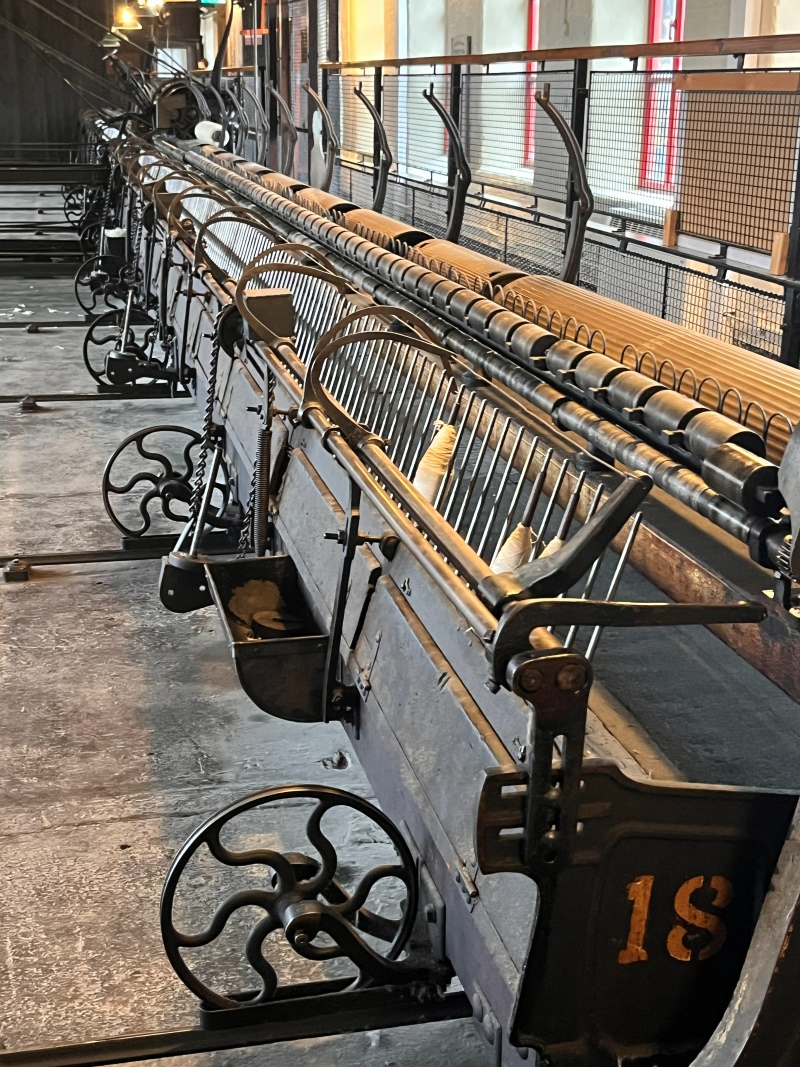
This is Leeds Industrial Museum based in Armley Mills to the west of Leeds. The site originally drew on the water power of the river Aire and was for a time in the late 1780s the largest woolen mill in the world. It has milled corn as well as textiles and carried on as an active industrial site until 1969.
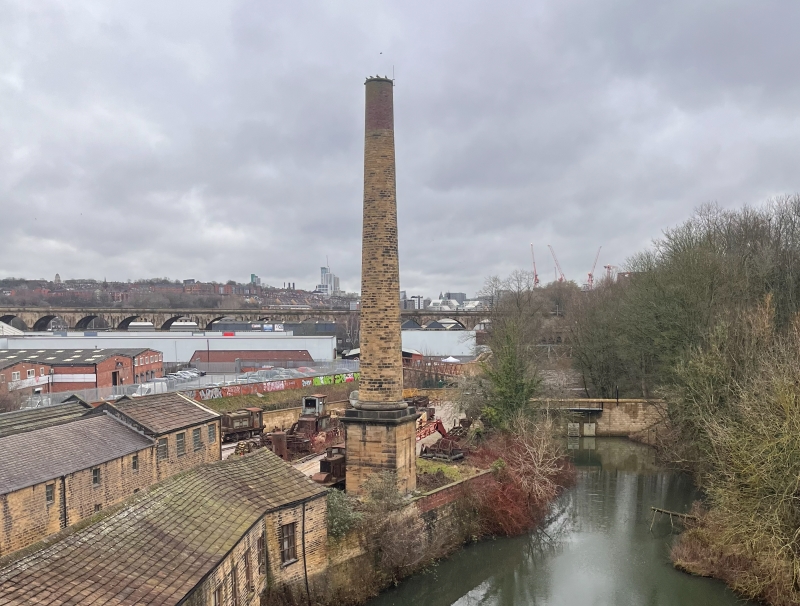
Wool was the mainstay of the West Yorkshire economy, but Leeds had a broad industrial base which the museum celebrates and even a small role in the history of moving pictures. There's a good case for the first film recording having been made in Leeds in 1888.
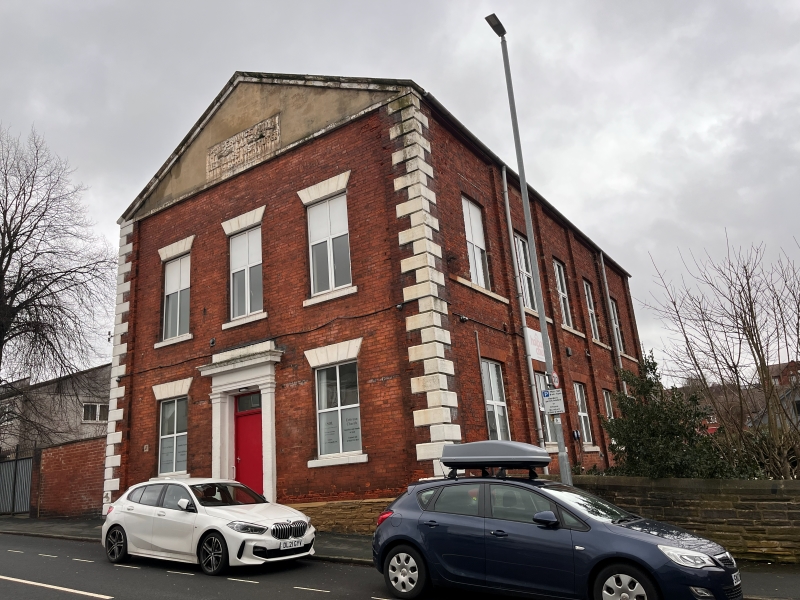
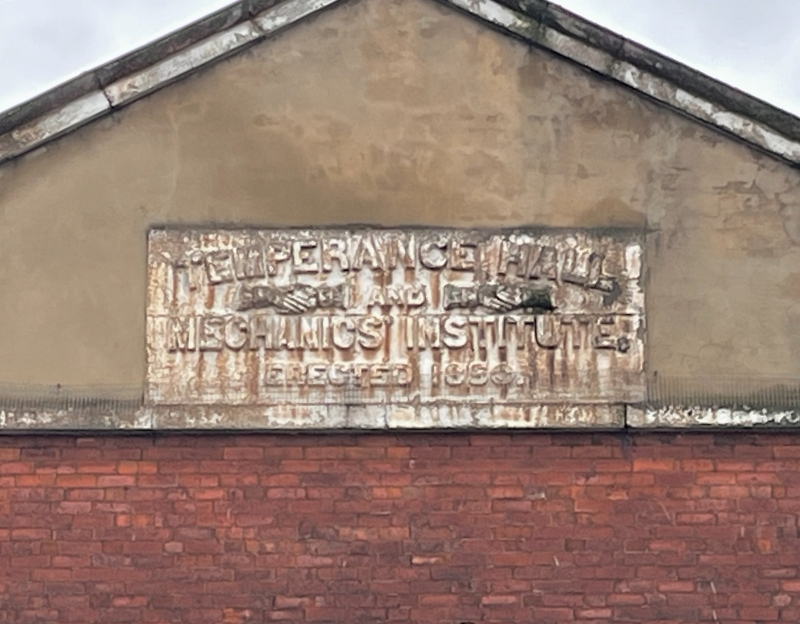
Moving into the city, my first stop was the 'Woodhouse Temperance Hall and Mechanics' Institution' that was met in unit 12 of A225 being opened by Samuel Smiles in 1851. It's still a functional building, situated in a working class area of the city and housing an independent evangelical Christian church.
You can still make out the original plaque.
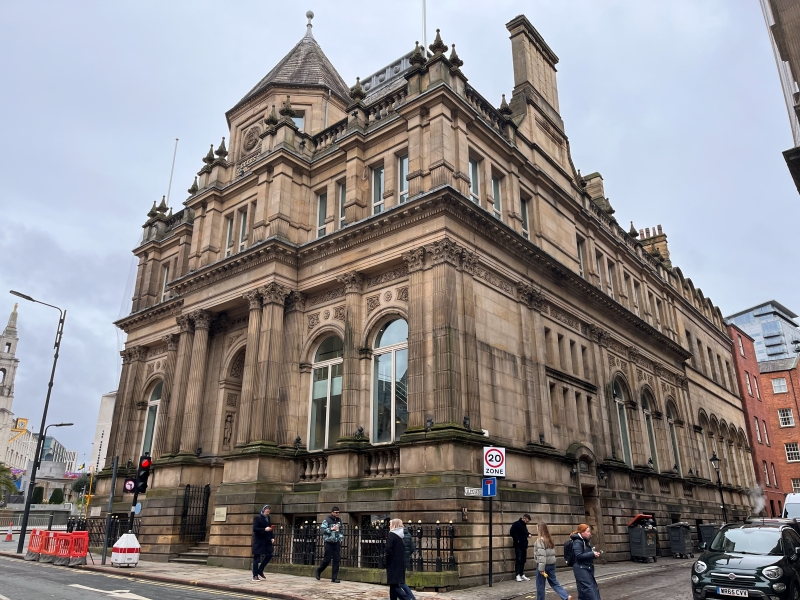
Whilst the Temperance Hall might, in the OU's words, have a 'classical front [...] designed to announce this was an important building' there's 'announcement' and 'ANNOUNCEMENT!!' and Leeds City Centre is all about the maximal.

I thought this building was a great example of signalling what's important. This is the headquarters of Leeds School Board built in the late 1870s. Ratepayers (male and female I think) now had the chance elect the Board which used their resources to fund universal elementary education across the (then) town.
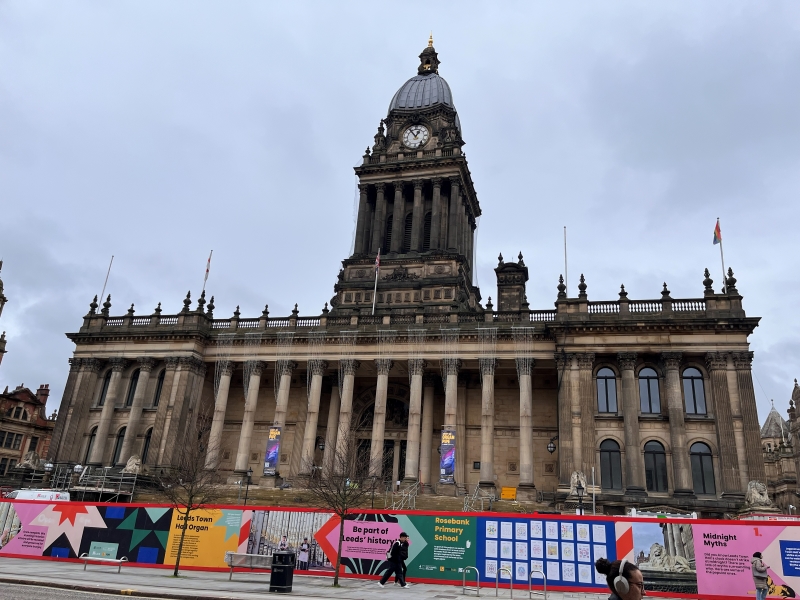
Leeds Town Hall is currently having a major £20 million refurbishment - so the interior is currently off-limits as the amazing organ and Victoria Hall get a complete overhaul, but I guess the exterior still captures that mid-century 'confidence'.
Temple Mill is also in the middle of a significant makeover - as it moves along with other nearby buildings from industrial to office and 'creative' space.
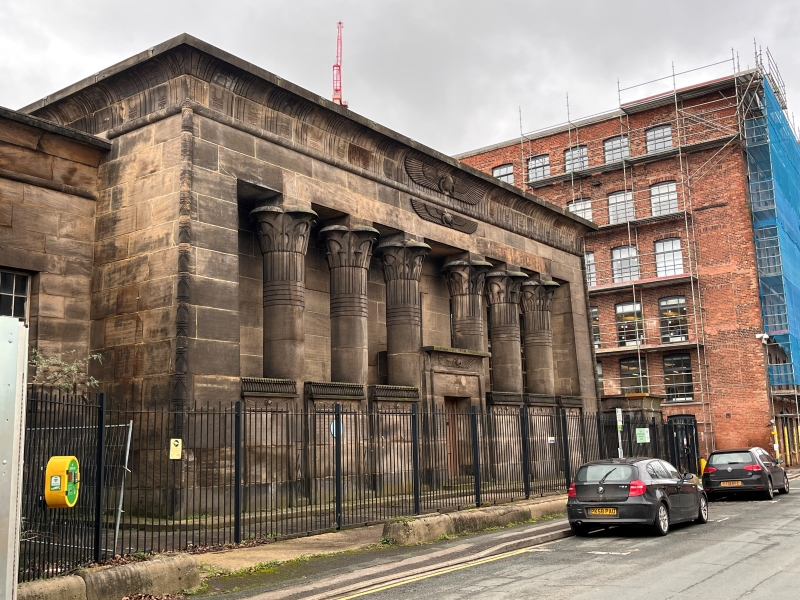
It is quite an astounding facade!
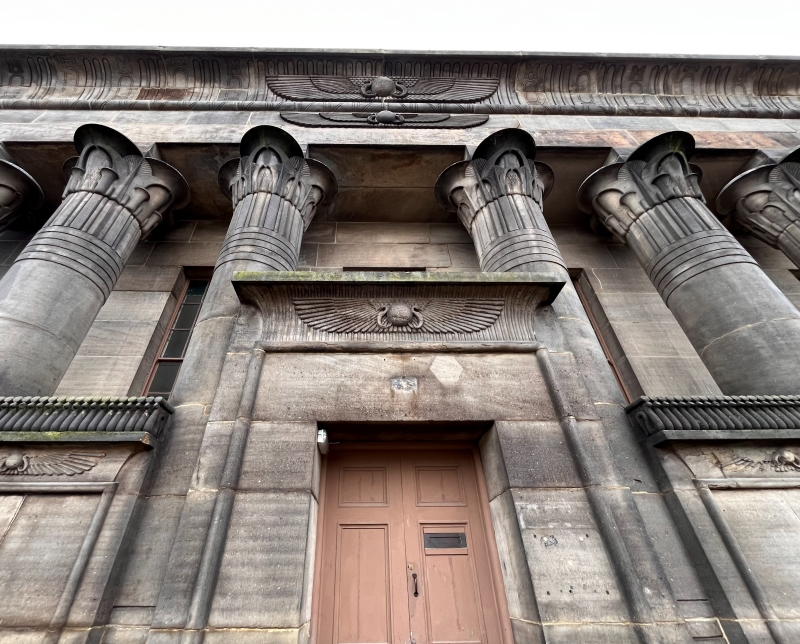
But it's far from the only 'working' building in Leeds that was essentially a canvas to proclaim the middle class had 'taste'.

St Paul's House was a warehouse in 1878 - but was happy if you mistook it for the Alhambra! 😂
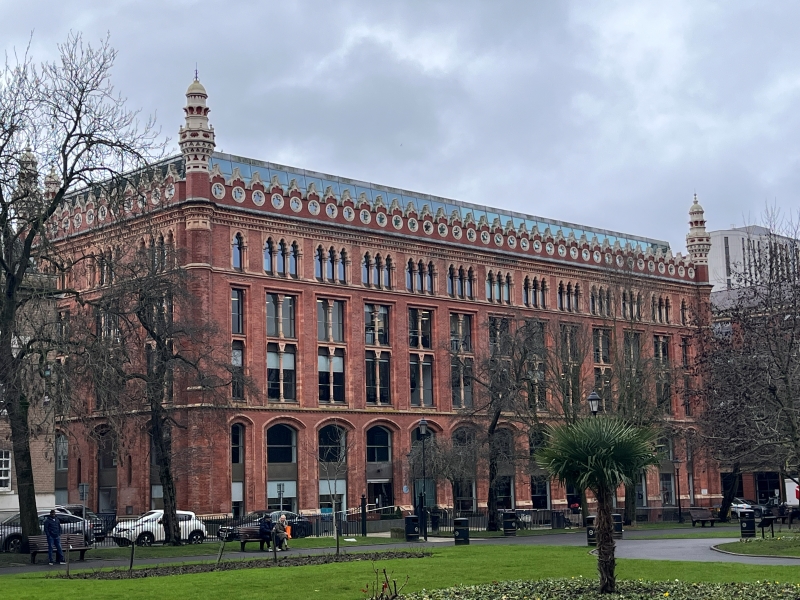
It was owned by Leeds Mayor and Liberal MP John Barran (later of course a Baronet!) and housed the ready-to-wear clothing factory that made his fortune.
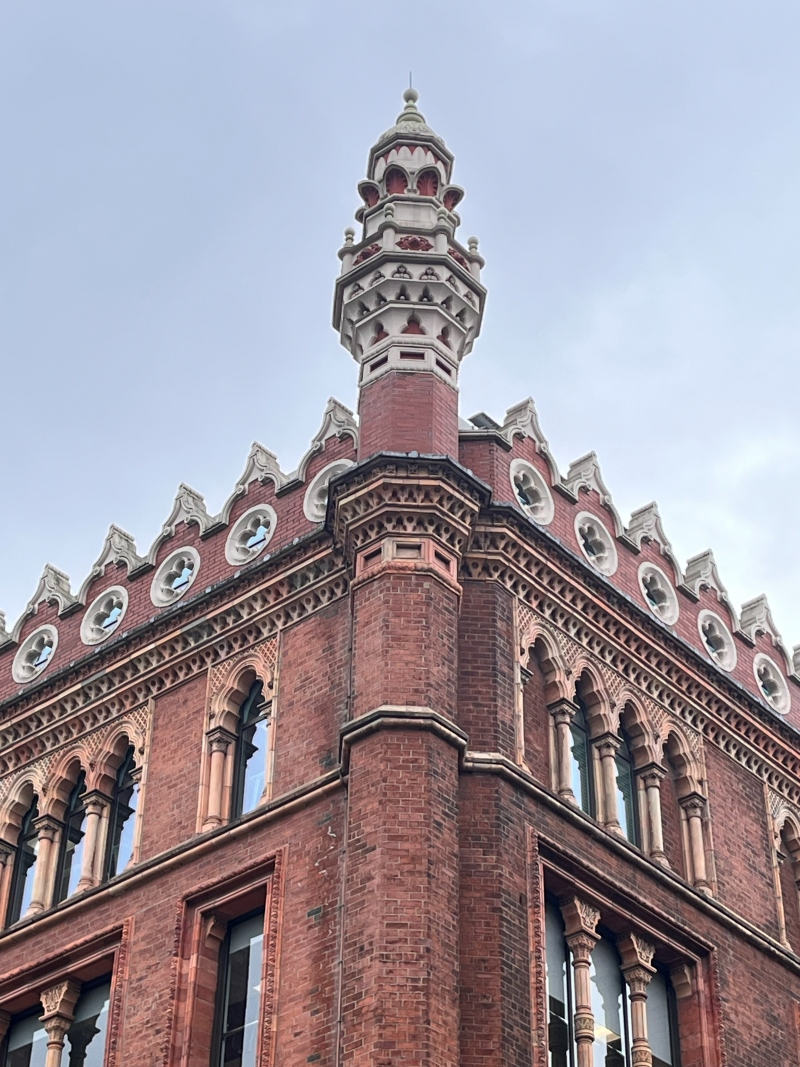
This iteration of Leeds Corn Exchange was finished in 1863 (the architect Cuthbert Brodrick would later design the Town Hall).
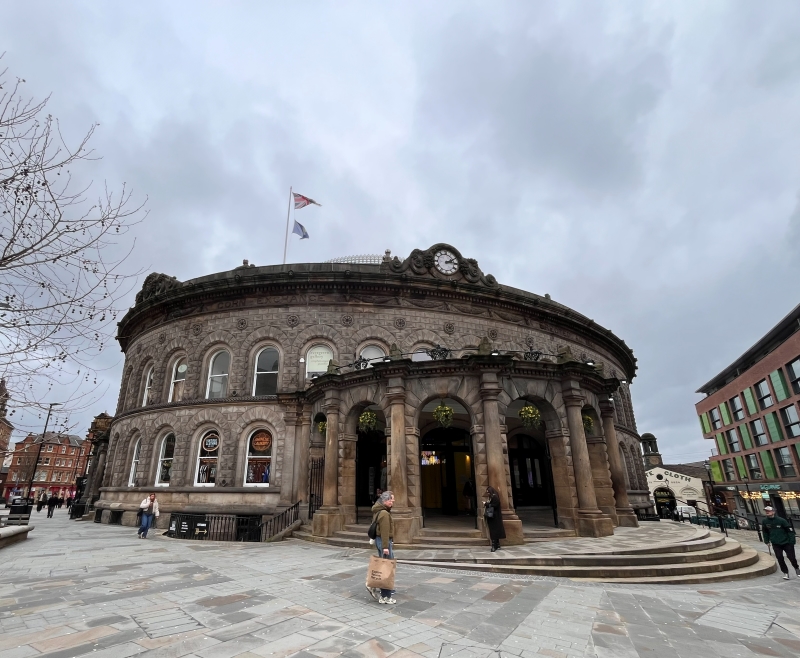
It has had ups and downs as the agricultural sector boomed and crashed - but now is more than happy to sell you 'middle class stuff' (in my case some artisanal chocolates for Valentine's Day 😃). 
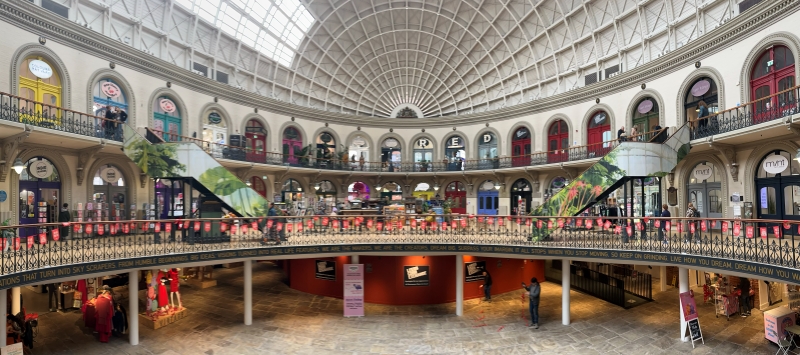
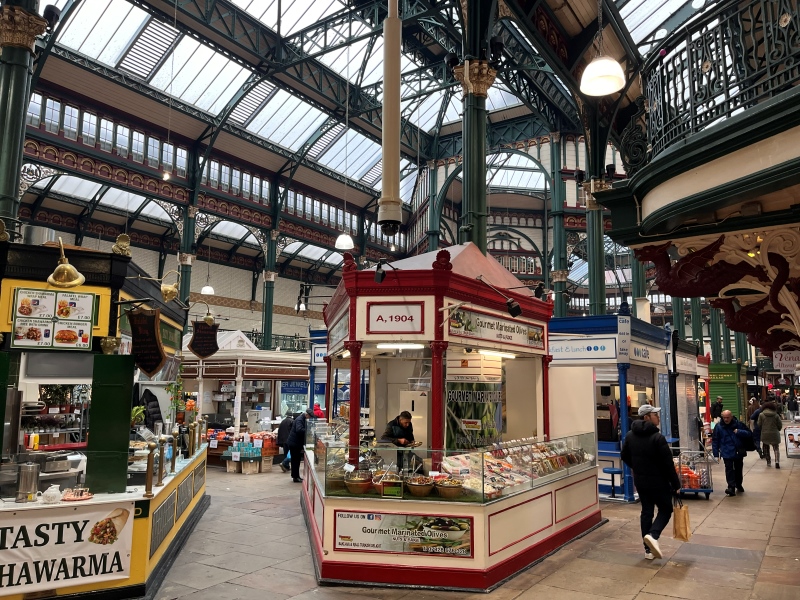
It was shopping all the way from now on - and Leeds has a fantastic range of Victorian spaces to sell things to all classes.

The current Market Hall dates back to 1904, but the first covered market on the site went up in 1857 - appropriately for A225 its design was inspired by Paxton's 'Crystal Palace'.

Perhaps the most significant legacy it holds for the modern high street is as the location for Michael Mark's first 'Penny Bazaar' ('Don't ask the price, it's a penny'). A Polish migrant fleeing anti-semitism he arrived in Leeds in the early 1880s with no resources, unable to speak English - he would partner with Yorkshireman Tom Spencer in 1894 .... ('ambition, anxiety, crisis, confidence, decline, renewal' sounds like a typical M&S news story 😂)
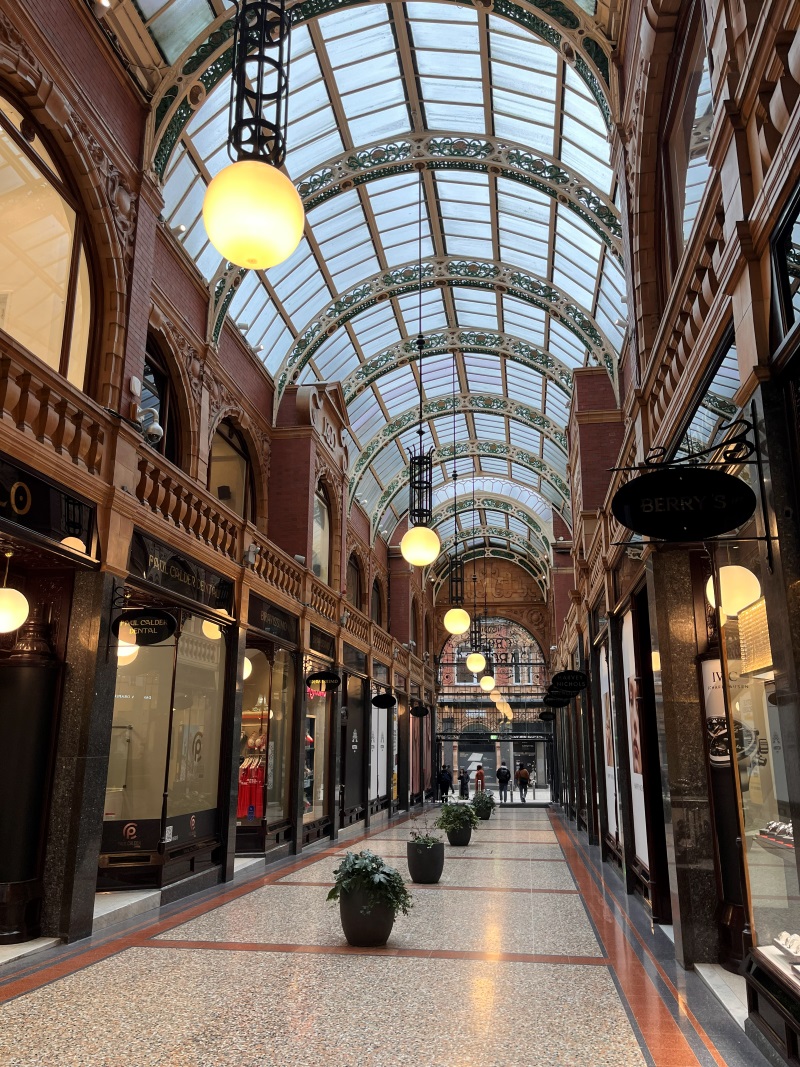
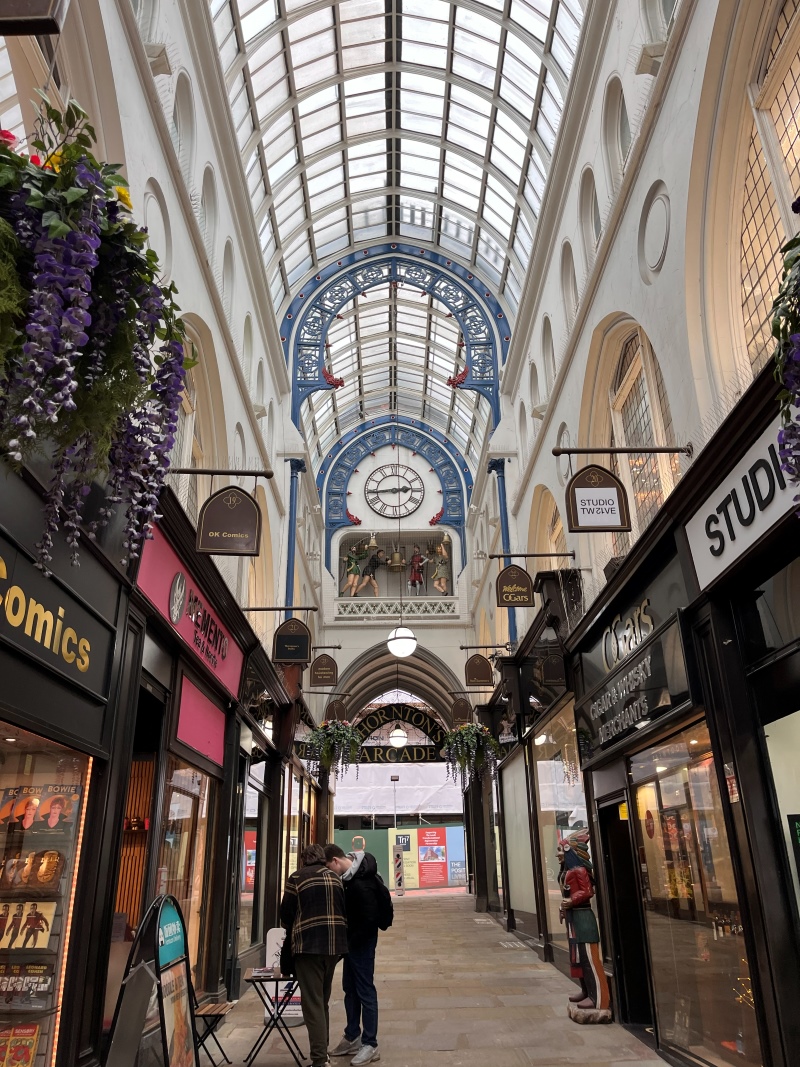
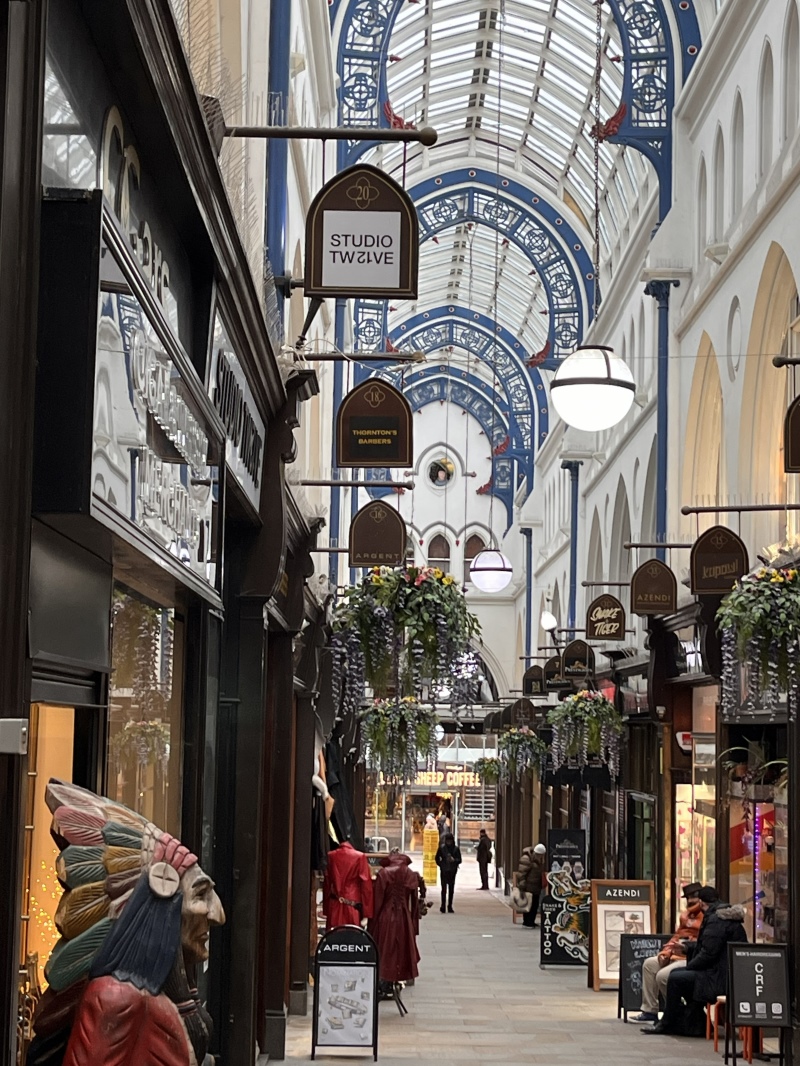
Finally a few more shopping 'Arcades'. 

Thornton's Arcade was completed in 1878 - Charles Thornton was a major property developer in the town - for anyone of a 'certain age' he also owned the Varieties Music Hall in Leeds, home to the 'Good Old Days' which blessed or blighted British TV during my childhood with a bizarre nostalgia for our period (I've just discovered a few episodes lurk on the iPlayer). Whilst perhaps there's a hint of 'Moorish' in those arches - the main aim seems to be full-on 'Gothic-revival', the mechanical clock (which always seems to me to show rather too much thigh 🤣) is a tribute to Walter Scott's 'Ivanhoe'.
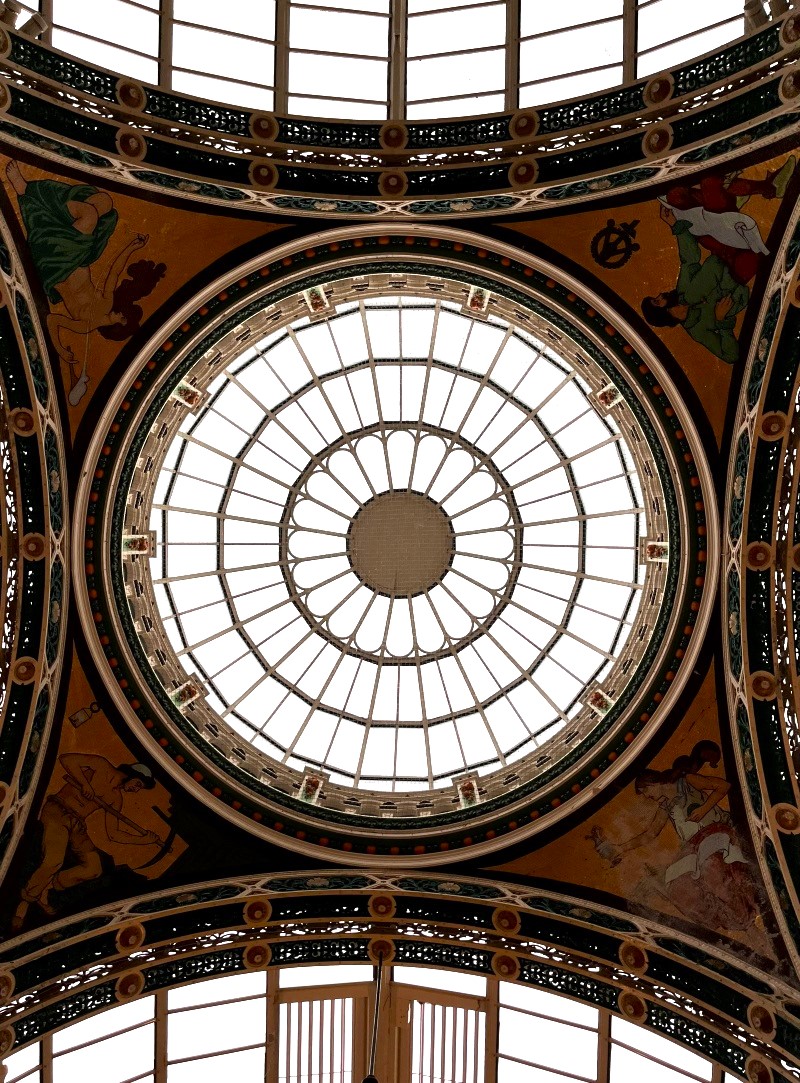
To end - the 'Cross' and 'County' Arcades - these went up over the turn of the century, finished in 1903. 
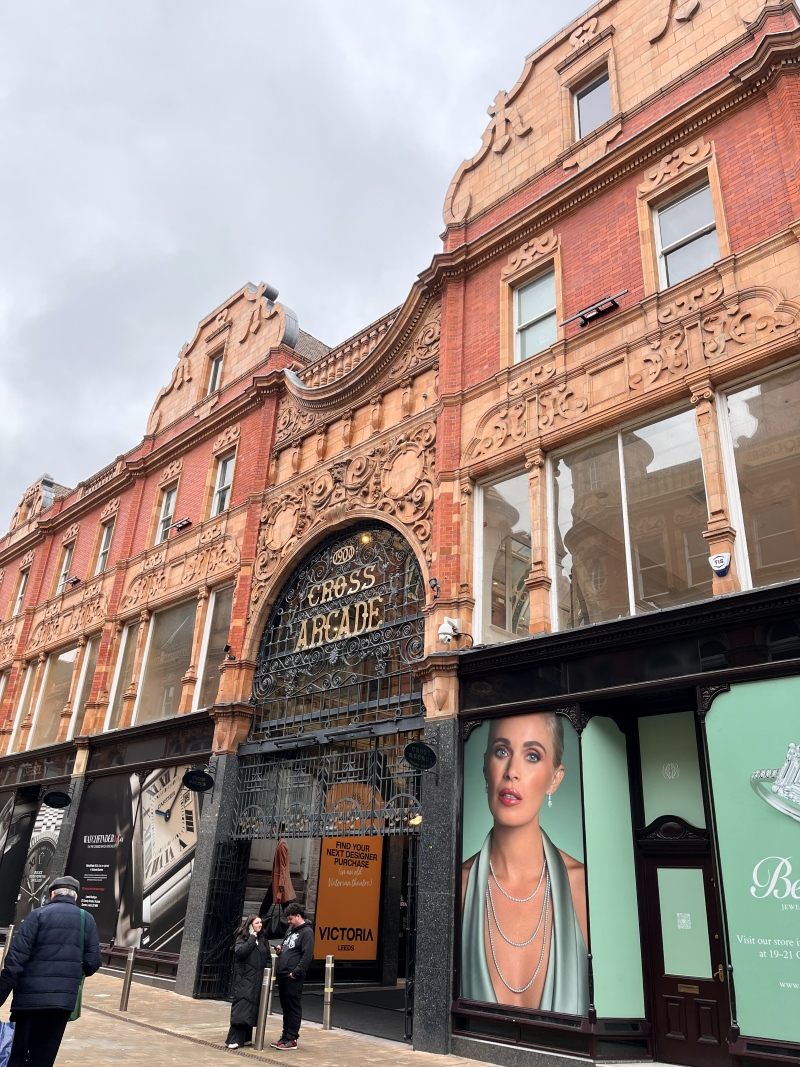
They are, and probably always were, way beyond my price range. 😂
[Home Page]
Permalink
Share post
Steven Oliver

'Death like an overflowing stream...'

Visible to anyone in the world
Edited by Steven Oliver, Friday 8 May 2026 at 12:20

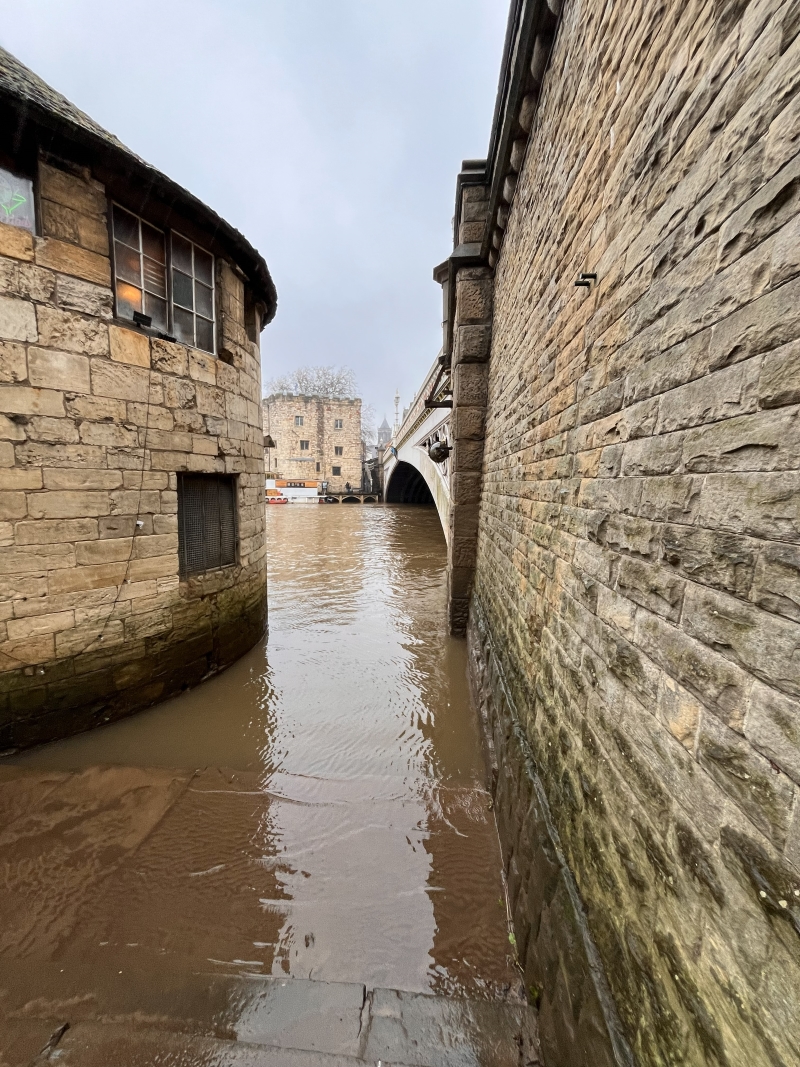
On a suitably wet day recently I set out exploring some of York's water-related Victorian Public Health history.

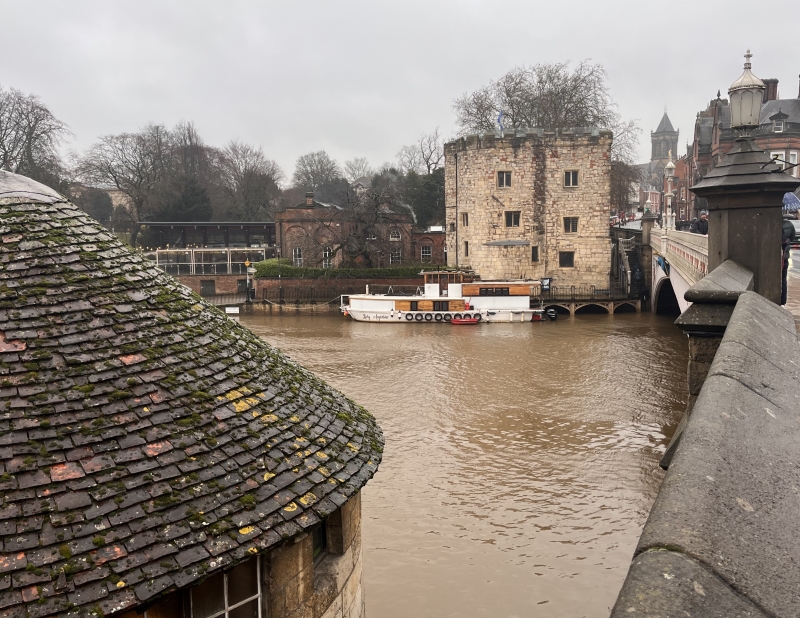
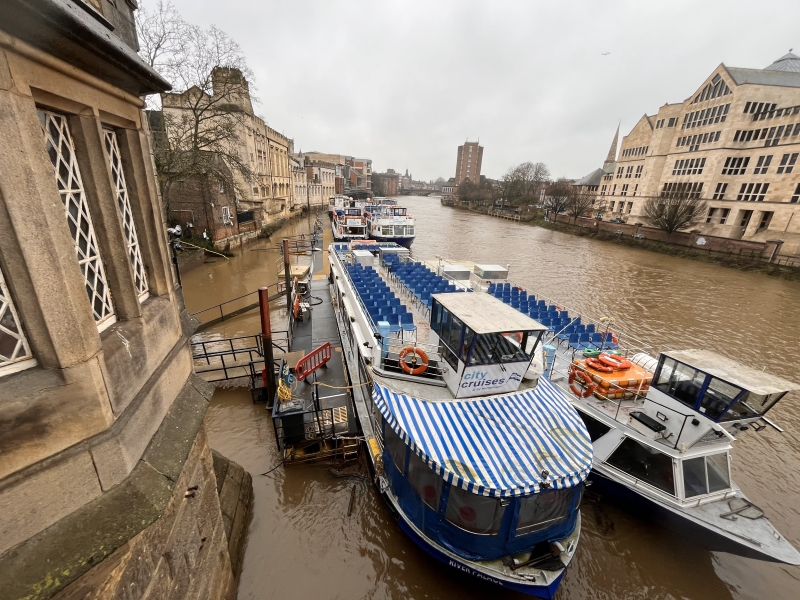
This is the River Ouse which cuts through the city and remains the main source for its drinking water. 

Where the Lendal Bridge now crosses the river a defensive chain used to be stretched between towers in the medieval period - both of which survive. The tower visible on the far bank subsequently became a key part of the city's water supply.

By 1631 the tower had become the 'Waterhouse' and was essentially a water tower supplying the city, a system that was augmented with a steam engine in 1780.

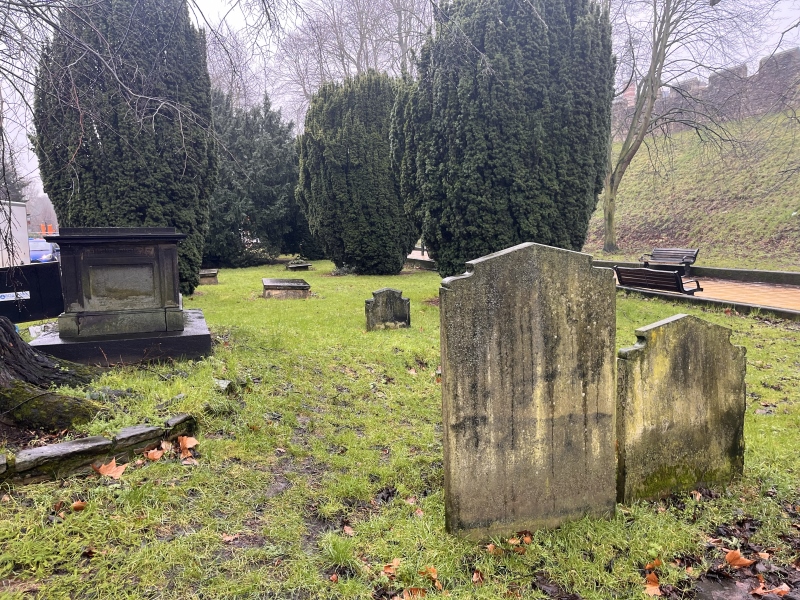
Drawing its supply directly from a heavily polluted stretch of the river, the water pumped out into the city probably helped to compound the first cholera epidemic to hit York in the summer of 1832. Between June and September of that year there were 450 cases and 185 deaths and the local authorities were forced to open a new burial ground. The remains of the hastily established graveyard are still visible, standing just outside the city walls and in front of the busy railway station. 

Although the very poor riverside communities were first and hardest hit, cholera could strike anyone in society. 

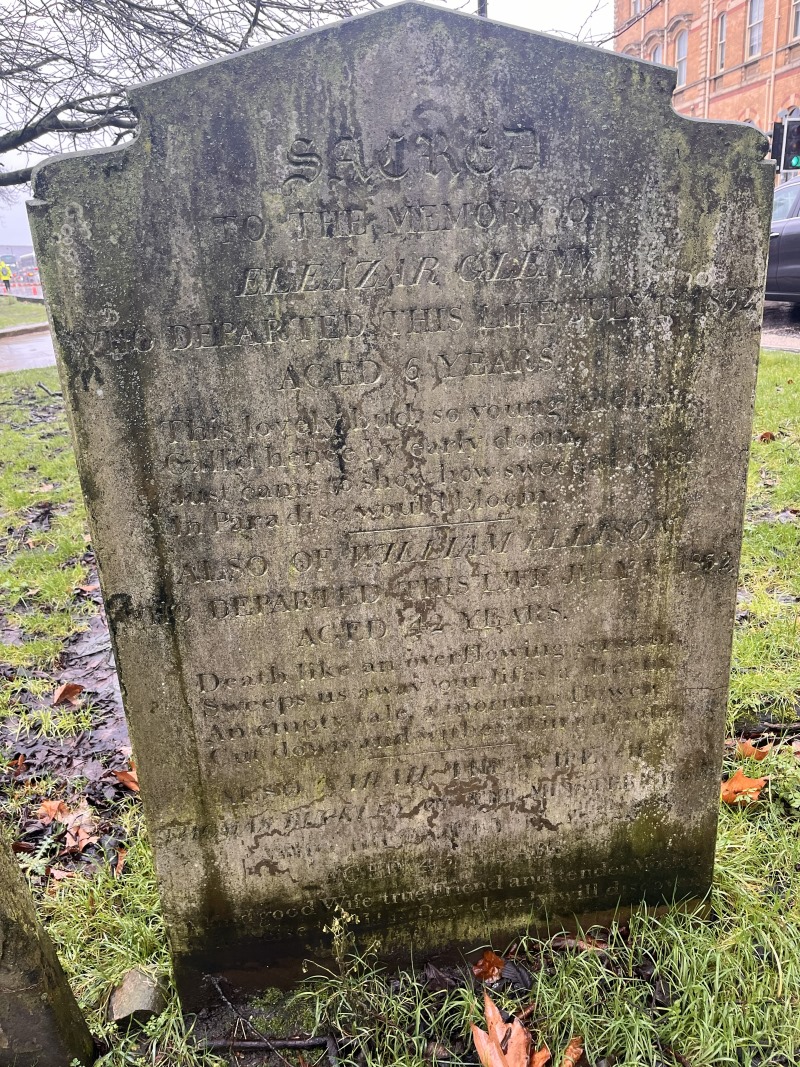
This gravestone records three unrelated individuals: Eleazar Glenn 6yrs, William Ellison 42yr and Sarah Buckley 45yrs. Whoever commissioned the memorial had clearly paid for some poetry, as each gets a few lines. William's verse both unwittingly links water and mortality and gives a hint towards how rapidly cholera could strike

Death like an overflowing stream
Sweeps us away, our life's a dream.
An empty tale, a morning flower
Cut down and wither'd in a hour.

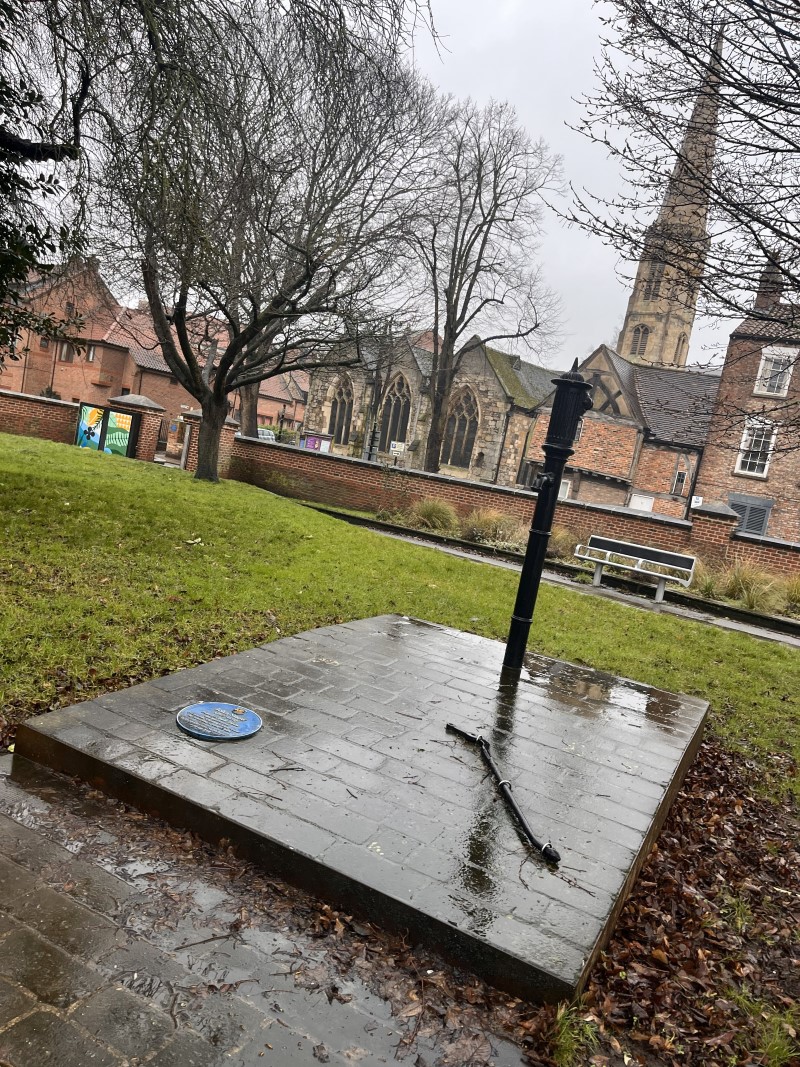
As an antidote to too much gloom and doom only a few hundred yards down river is the memorial to York's most famous Victorian Public Health hero - Dr John Snow. Born in 1813 to poor parents (he's a great example for the 'rise of the middle class' chapter, as he will eventually help provide pain-relief in child-birth for Queen Victoria!) he became a medical doctor, working in London during the 'age of equipoise'. He believed cholera was spread through water, not the air, and used detailed analysis of outbreaks of disease and water supplies to try and prove this.

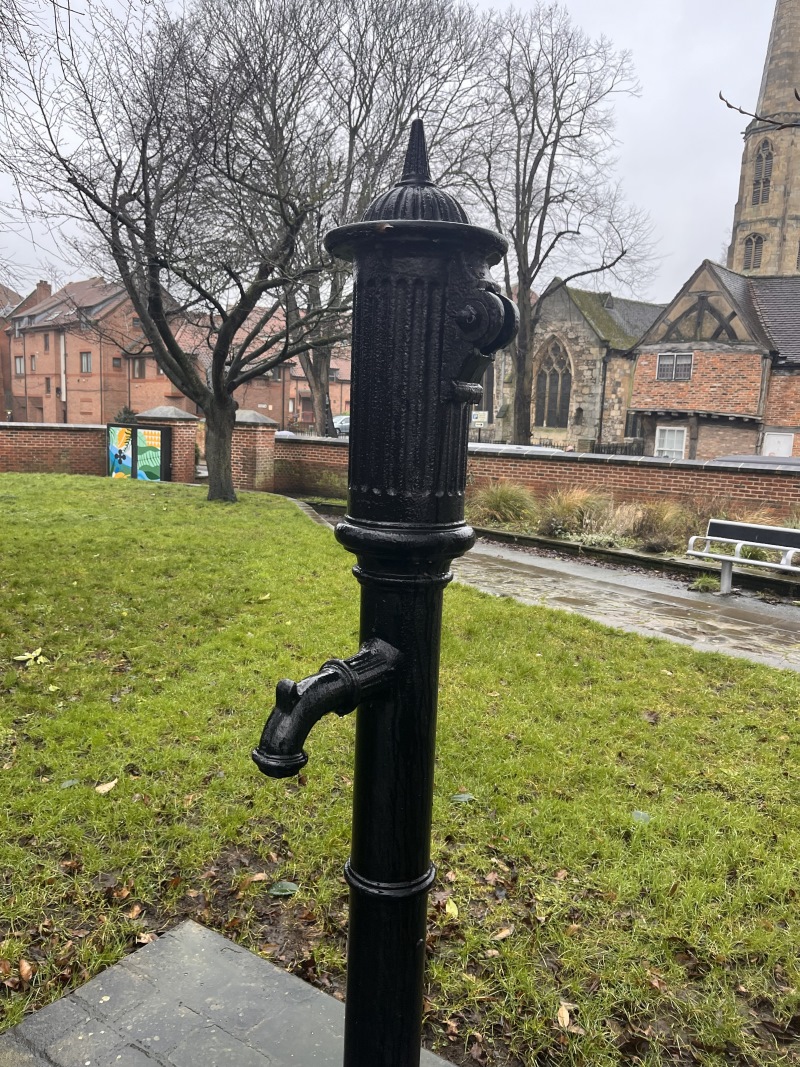
The memorial is linked to an event in 1854, miles from York in what is now Soho in London. Following an explosive outbreak of cholera, Snow was able to convince the Parish authorities that a local water pump was the source and they agreed to remove the pump-handle. A good illustration of how local authorities saw themselves as having responsibilities for Public Health. The outbreak then rapidly tailed away, we know now that removing the handle probably contributed very little to this - what was more important was that everyone had simply fled the area. 

In fact John Snow never wholly convinced national authorities that cholera was water borne (he was dead by 1858) - but the massive efforts taken to sluice away bad-smelling causes of miasma proved effective (for all the wrong reasons) finally separating sewage from sources of water supply. 

[Home Page]
Permalink
Share post
Steven Oliver

York's Workhouses 'old' and 'new'

Visible to anyone in the world
Edited by Steven Oliver, Friday 8 May 2026 at 12:20

With A225 TMA03 now open (on women under the new Poor Law) and asking to be avoided 😃 it seemed a good day to look at Workhouses! 

The original 1834 York Poor Law Union took over a pre-existing workhouse that itself had been converted from a mill in the 1760's. It now stands on a residential street beside the Museum Gardens. As in the module chapter, there were recurrent abuses and scandals (some of which are set out on Peter Higginbotham's fascinating website) leading to pressure for a new purpose-built workhouse which was completed in 1849...

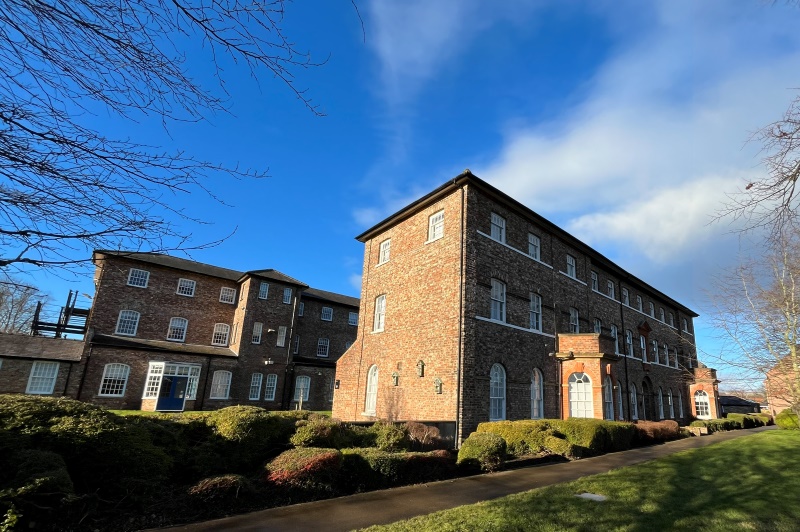
A number of buildings from the later workhouse also survive, now used as student residences for one of the city's universities. The entrance building would have processed admissions and housed vagrants... 

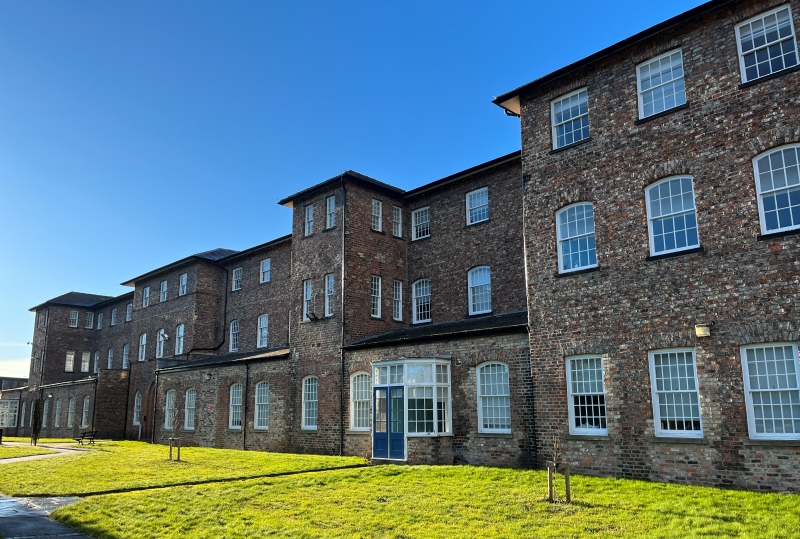
... and the block behind it held adults, children and those classed as 'lunatics' - all segregated by sex. Where I took the photo below I would have been standing in the 'Boy's Yard' and the green space would in fact have been divided and walled off. There was a third complex of buildings, now lost, that formed the hospital wing. Like so many such buildings, this site became part of the long-stay elderly care facilities for the NHS in the second half of the 20th century.

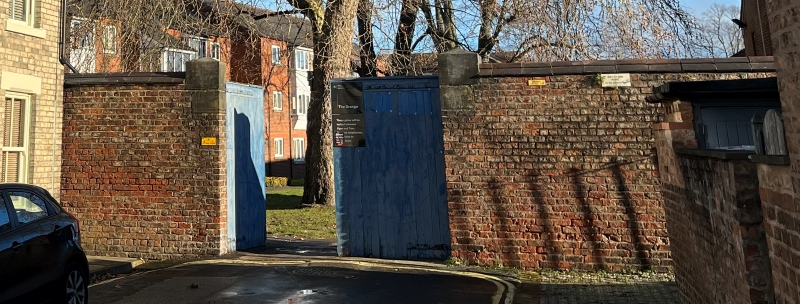
All of the buildings looked bright and cheerful in the sunlight today, but there are a few remaining stretches of the perimeter walls and these seemed to hold on to the authentic 19th century character!

[Home Page]
Permalink
Share post
Steven Oliver

Sites of knowledge/power

Visible to anyone in the world
Edited by Steven Oliver, Thursday 7 May 2026 at 13:49

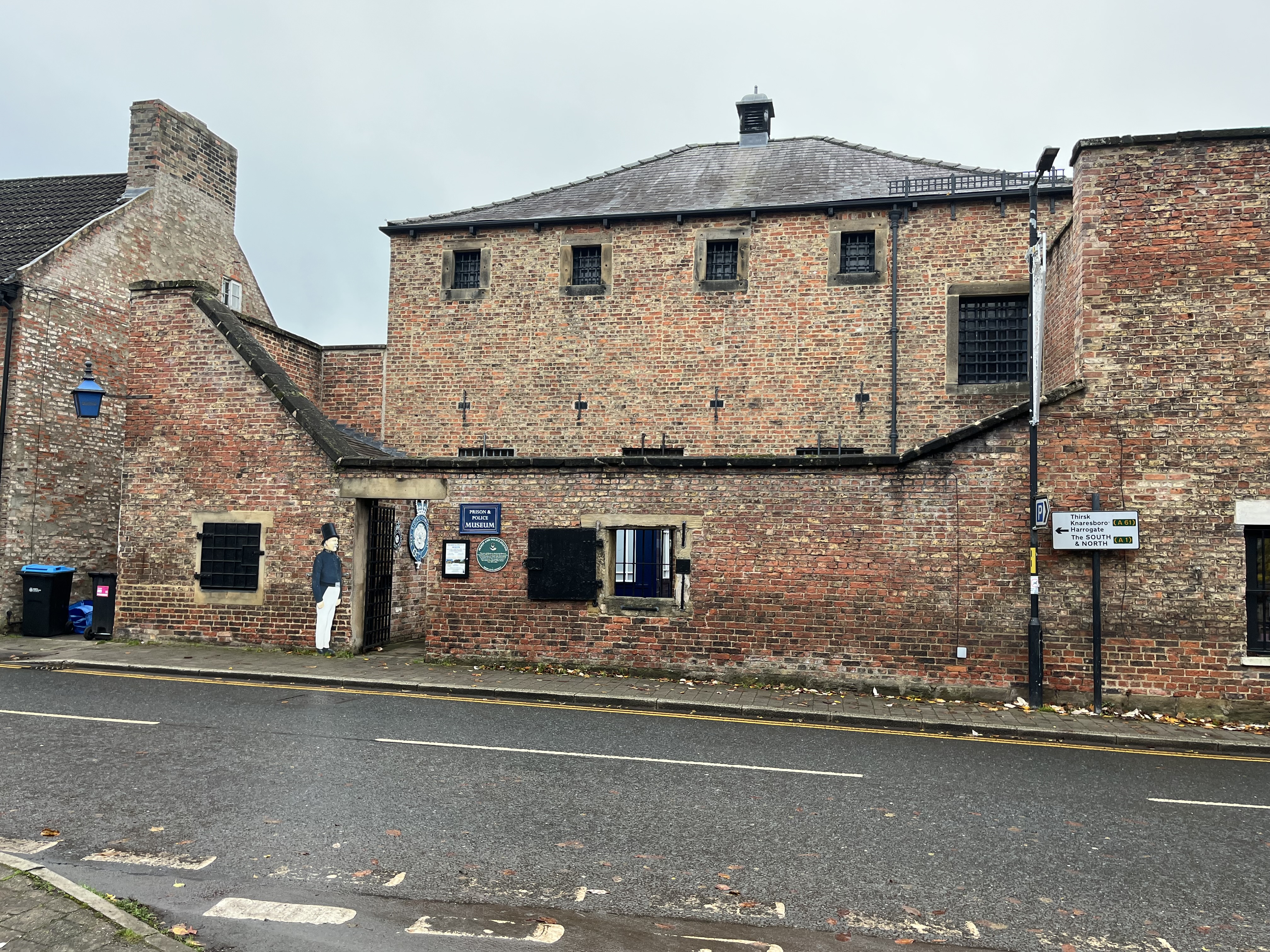
Got a real dose of 19th century authority in November 2025 on a trip to Ripon, which has museums preserving a prison, police station, court and workhouse!


This building was originally the house of correction and then became the station for Ripon's police force.


There are a series of exhibits in the former cells, explaining the transition from watchmen and constables, through to the uniformed police.


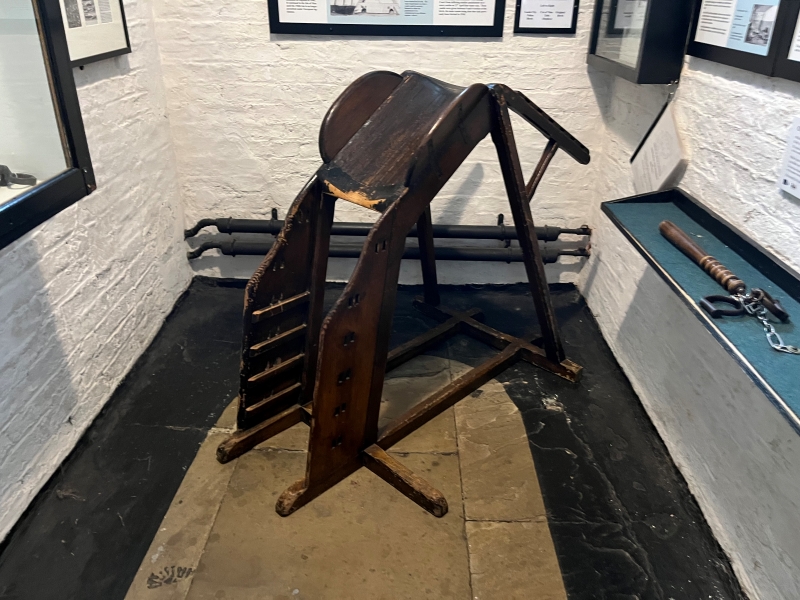
Plenty of material to show how punishment has changed over time - the image below is of a birching stool, this one came from Leeds police station and was last used in 1920. The slats allowed the height to be adjusted; have to say I was a bit shocked at how small a child it had been designed to accommodate.


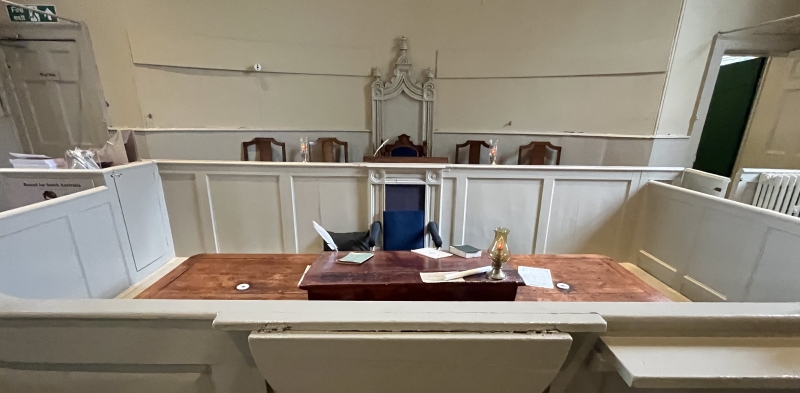
The courthouse used for petty and quarter sessions is also preserved - it was in use from 1830-1998 (I'm in the dock here, facing the bench!).


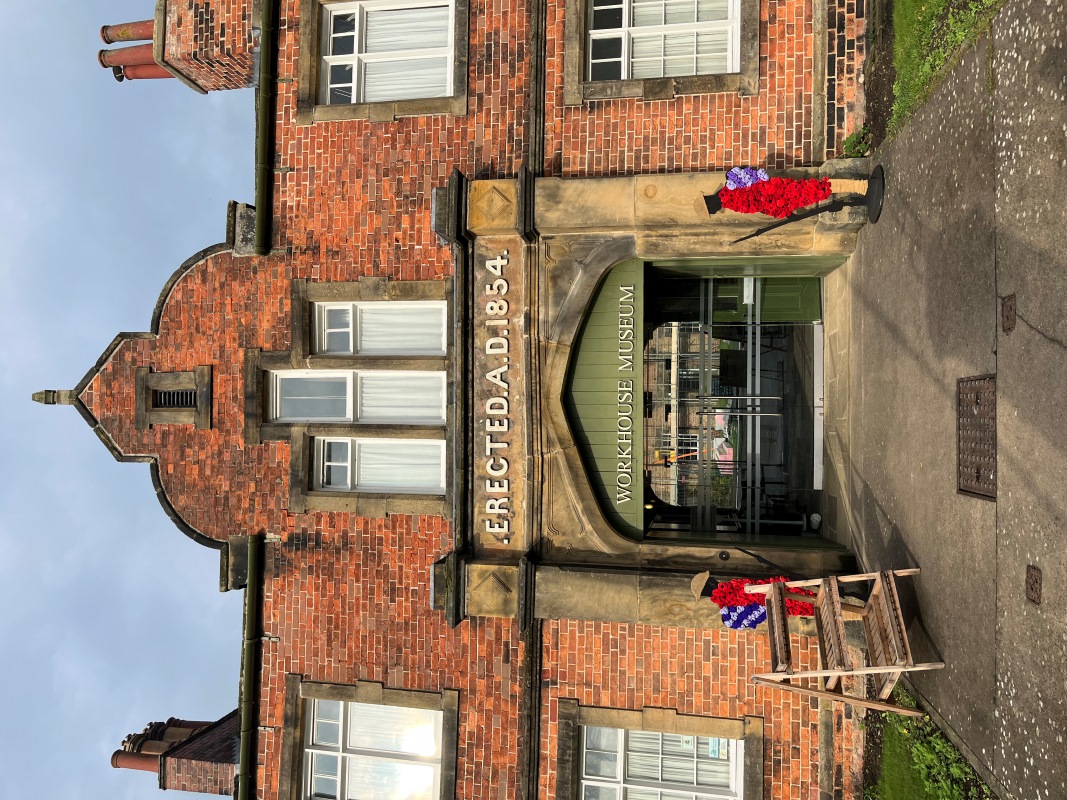
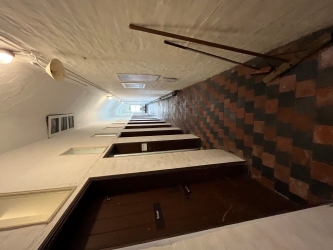
Finally, I explored Ripon Union Workhouse - the 'long-stay' facilities are currently being renovated, but it was still possible to explore the large buildings setup for 'vagrants'.


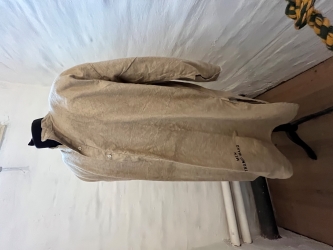
Individuals were allowed a two night stay, were bathed on admission and had their clothes taken away for fumigation before being given access to spartan cells. Wherever possible they had to work whilst in the building and could not then return to Ripon for a prescribed period.


All three buildings were swarming with school trips - made me stop and wonder which aspects of contemporary society are going to be mainstays of educational visits in the future!

[Home Page]
Permalink
Share post

This blog might contain posts that are only visible to logged-in users, or where only logged-in users can comment. If you have an account on the system, please log in for full access.

Total visits to this blog: 69197