

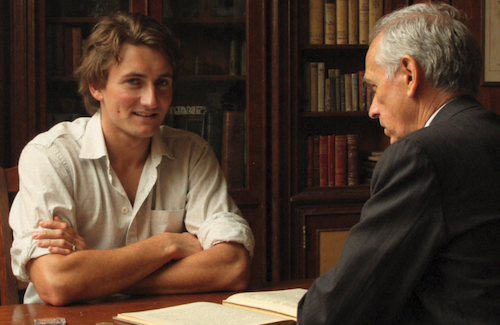
The author, in his thirties, sitting with Carl Gustav Jung - of course I am!
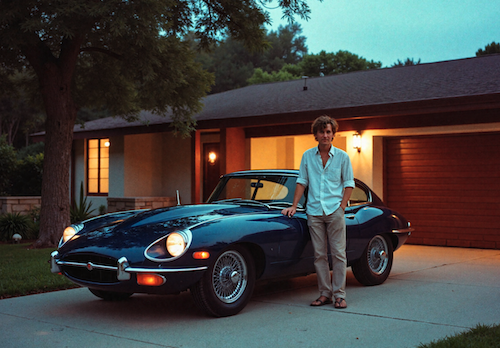
Over the last few months, I’ve been using AI in two ways: first, as a Jungian analytic partner (to help me “spiral” around dream images until their personal meaning coheres), and second, as a visualisation engine (to externalise inner imagery into repeatable, 4:3 “stills” that function like symbolic plates in a personal myth-atlas).
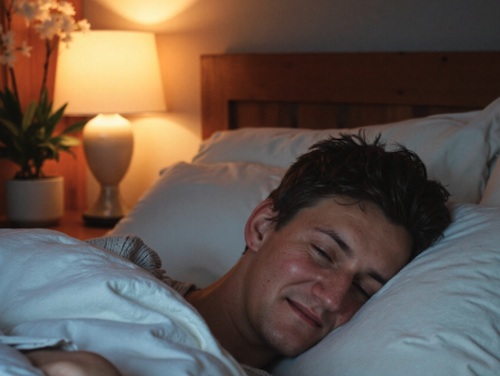
An AI-generated image of the author based on a photo of him when he was 28 and at art college.
1) My basic workflow: text → spiralling meaning → image
I take a recognisably Jungian assumption: dreams are not generic puzzles to be decoded but personal communications from the unconscious, using symbols that may be universal in form but individuated in meaning.
I then use AI as a process:
-
Capture the dream nucleus (often one or two emotionally charged scenes).
-
Interrogate it by spiralling: returning repeatedly to the same material from slightly different angles until it “clicks” into a wider pattern of meaning (rather than forcing a single, reductive interpretation).
-
Translate the dream’s psychic logic into images: I create a consistent avatar using an AI model of me, using a set of photographs going back forty years and place this version of me into dream-analogous tableaux—so the psyche’s “inner theatre” becomes visible, comparable, and revisitable.
In short, I don’t use AI to explain dreams away, but to hold them steady long enough to interrogate them in depth. This can take between one and two hours.
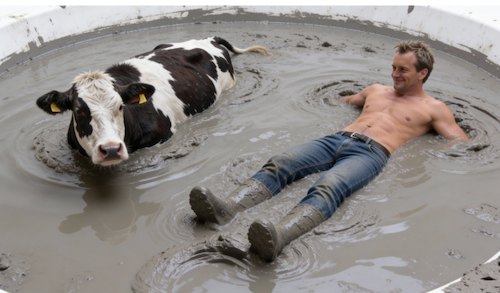
2) This “ego avatar” moves through archetypal theatres
A striking feature is the creation of a persistent self-representation: “My AI model is JV.” This works like an ego-figure; I can move through scenarios without collapsing into autobiography. That’s very Jungian in effect: I'm setting up a container where the dream can speak in symbols, while “JV” supplies continuity across many inner worlds.
The prompts repeatedly specify:
-
4:3 framing (a deliberate “cinematic still” constraint),
-
photorealism/poster/illustration modes (switching aesthetic registers like psychic lenses),
-
age-shifts across the life-span (teens → 20s → 30s → 50s → 60s → late-life, even androgynous/transpersonal),
-
a recurring mood-word palette (bemusement, expectancy, disquiet, joy, guilt, serenity).
This creates a longitudinal visual study of the psyche: the same “I” placed in changing symbolic climates.
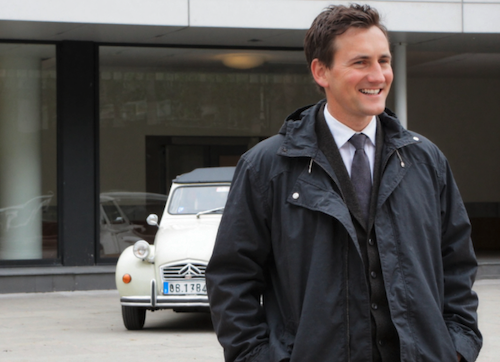
3) The variety of dreams I’ve been working with
I revisit the dream in a couple of rounds of prompts, typically 12 to 20 questions. Decades ago, I had a worksheet with 27 set questions to answer and interpret. I get AI to do this.
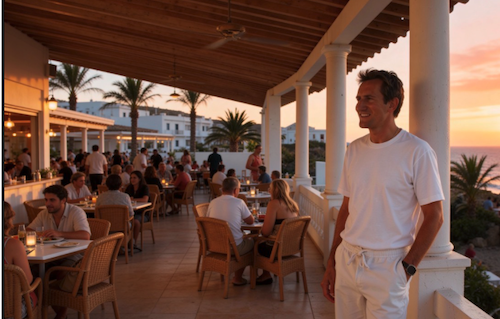
A. Transit, liminality, and “in-between” worlds
Bus top-deck London; airports; concourses; motorways; slip roads; marinas; rivers; bridges; market squares. These are threshold settings—classic dream stages for questions of direction, belonging, and life-route.
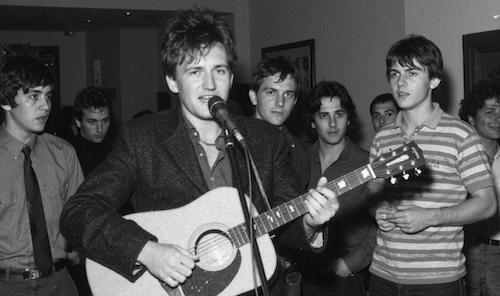
An AI-generated image of the author in his busking days.
B. The spinning compass: orientation under psychic weather
Standing on a vast rotating compass where night/day and seasons mix, while stars resemble neuronal connections: this is almost a manifesto-image of disorientation + higher pattern-seeking—the ego trying to orient within a mind-like cosmos.
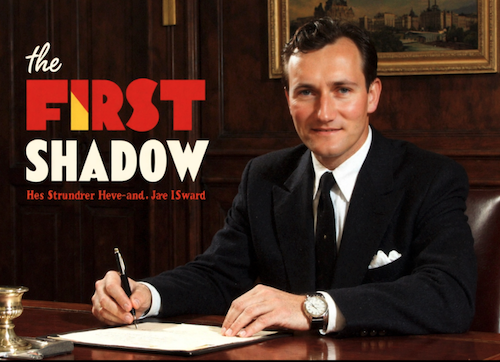
C. Persona and performance: stage, poster, red carpet, office
Punk frontman in 1978; director on set; red carpet at the Albert Hall; production offices; Foreign Office desk; film hoardings (“27 Shadows”, “The First Shadow”). This cluster reads as persona-work: public self, authority, reputation, competence—and the anxiety/charge that comes with being seen.
D. Shadow-comedy and bureaucratic embarrassment
The municipal office scene (perched on a desk hiding a bin) and the “engineering conference poster” car-park satire: the psyche uses comic humiliation to speak truth—often a Shadow tactic, because comedy slips past censorship.
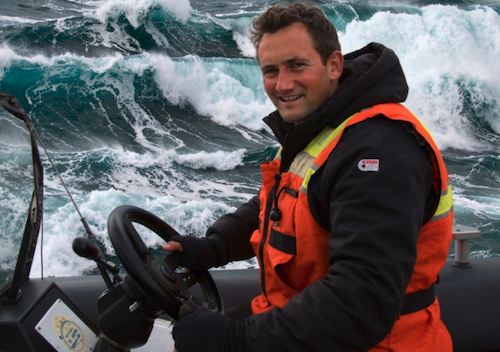
An AI-generated image of the author behind a RIB in a stormy sea
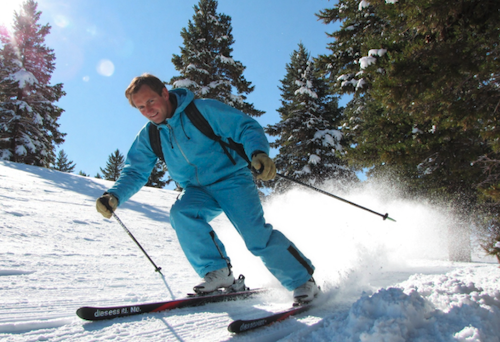
E. Nature, water, altitude, risk, mastery
Skiing with joy; herringbone climbing; marathon running; RIB in heavy seas; standing in a rowing boat in a storm; volcanic-rock ocean pool; veteran trees; North York Moors scrambling; African rapids with mannequins in a toy boat. These images repeatedly stage agency under pressure—skill, balance, athletic control—set against forces larger than you.
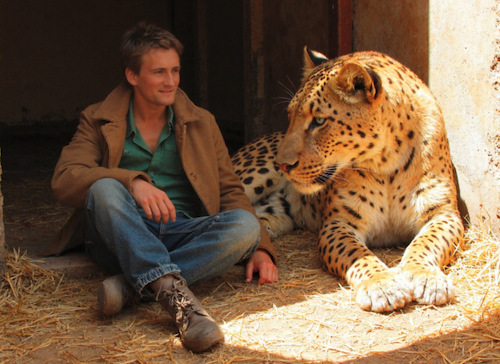
F. The mythic-animal encounter: Sphinx/lioness with human eyes
The stable-with-straw and hybrid lioness/Sphinx scenes are a direct Jungian signature: an encounter with an instinctual, transpersonal Other—intimate, watchful, soulful—bridging human and animal, conscious and unconscious.
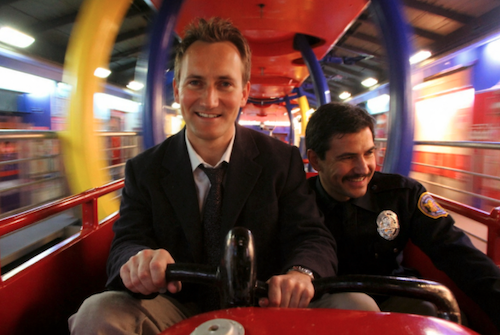
An AI-generated image of the author riding a bumper car with a New York Cop.
An AI-generated image of the author - that's me in the skit in the background i think!
G. The transpersonal / future-self image
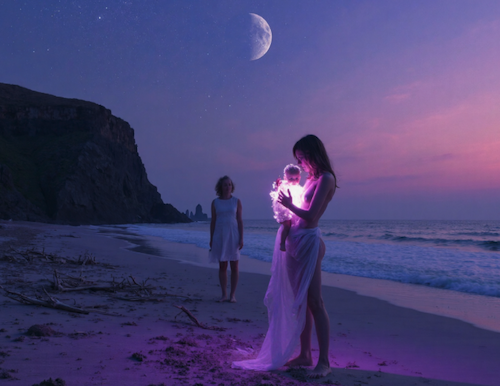
The late-life androgynous figure on violet sand holding a glowing infant, with twin suns, ringed moon, lighthouse rhythm, boat-timbers: this reads like a mythic resolution-image—a symbol of integration and renewed life (the “child” as potential, future, or new attitude), staged at the edge of a vast unknown.
Taken together, these prompts show my method:
-
I treat dreams as meaningful communications rather than random noise.
-
I use AI to support the Jungian style of non-linear, revisiting inquiry (“spiralling”)—not a single “answer,” but accumulating angles until the whole emerges.
-
I then materialise the dream-field into images—so that symbols recur, mutate, and can be compared over time (your own evolving “mythology in stills”).
It’s essentially dreamwork as research practice: JV is my consistent observer; the scenarios are experimental conditions; and the outputs become a gallery of recurring motifs—direction/threshold, performance/persona, mastery vs overwhelm, animal-otherness, and the slow pressure toward integration.