OU blog

Personal Blogs

Steven Oliver

Deeds not words

Visible to anyone in the world
Edited by Steven Oliver, Thursday 7 May 2026 at 15:01

As 'reward' for saying goodbye to a TMA, I recently took the Transpennine Express and had an interesting morning at 62 Nelson Street in Manchester.
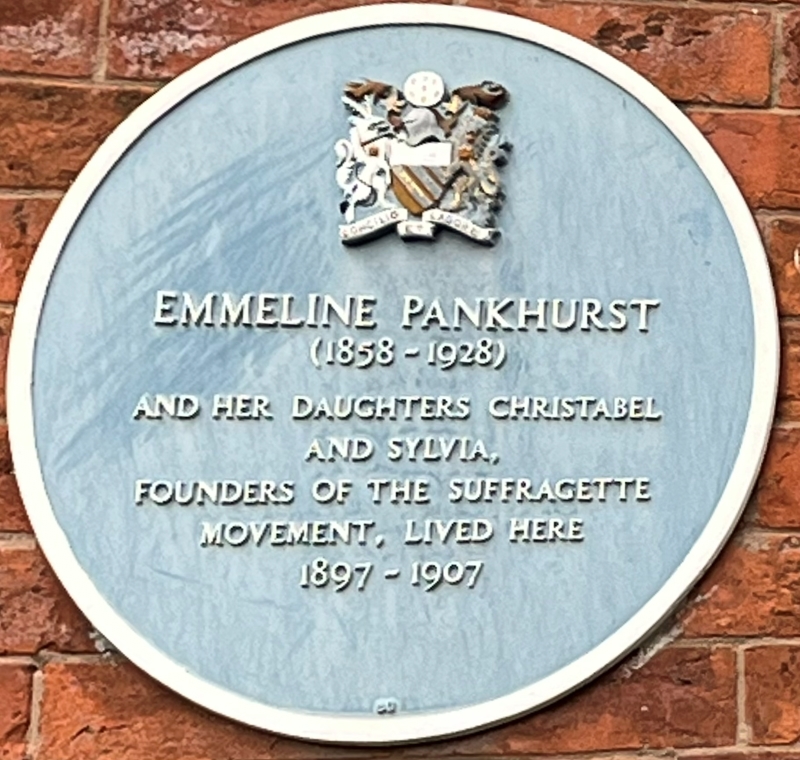
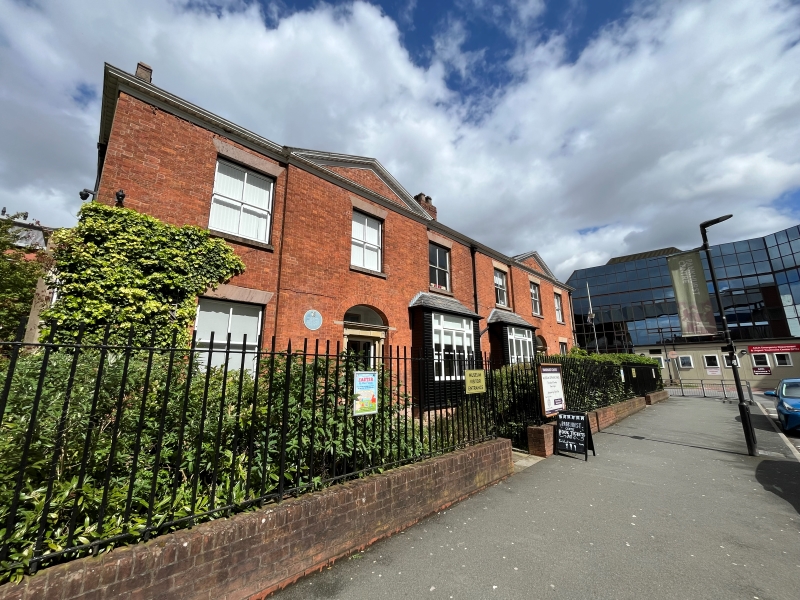
This was once the family home for the Pankhursts, and is now The Pankhurst Centre - saved from demolition by a campaign by women in the 1980s it sits rather incongruously within the grounds of Manchester Royal Infirmary (whilst I was visiting there were at least a couple of landings on the helipad immediately next door!). 
It houses a small museum and exhibition space and is run by volunteers, who are just so knowledgeable about aspects of the family, the suffrage campaigns and the women's movement more broadly.
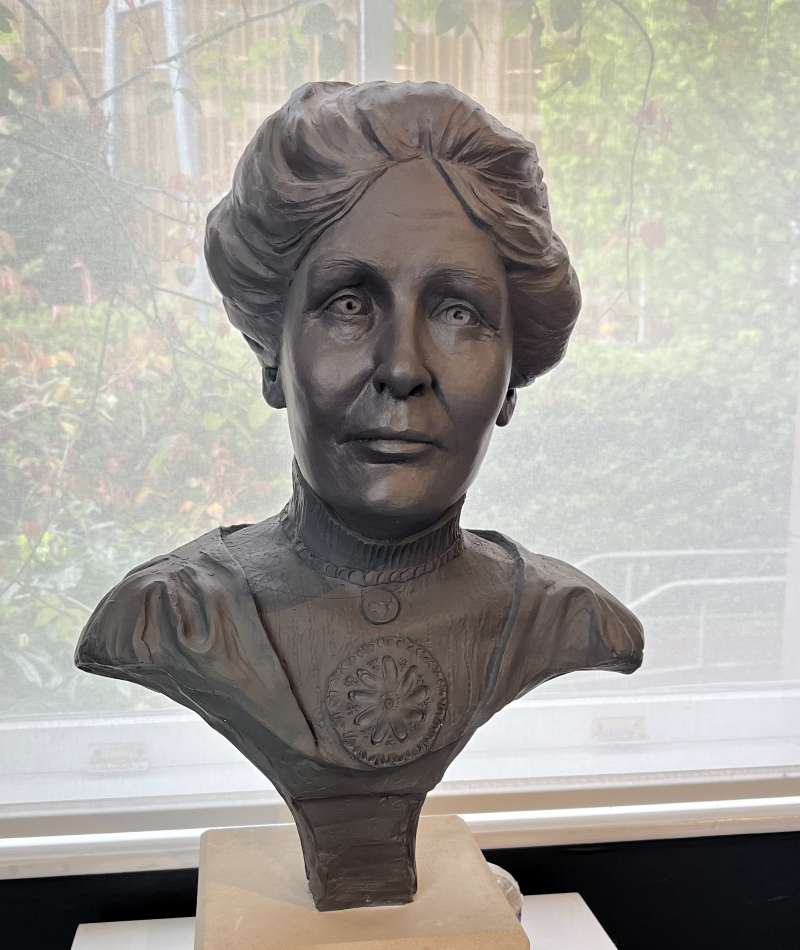
A bust of Emmeline looking suitably imposing, apparently she and her daughters fell out regularly and dramatically!
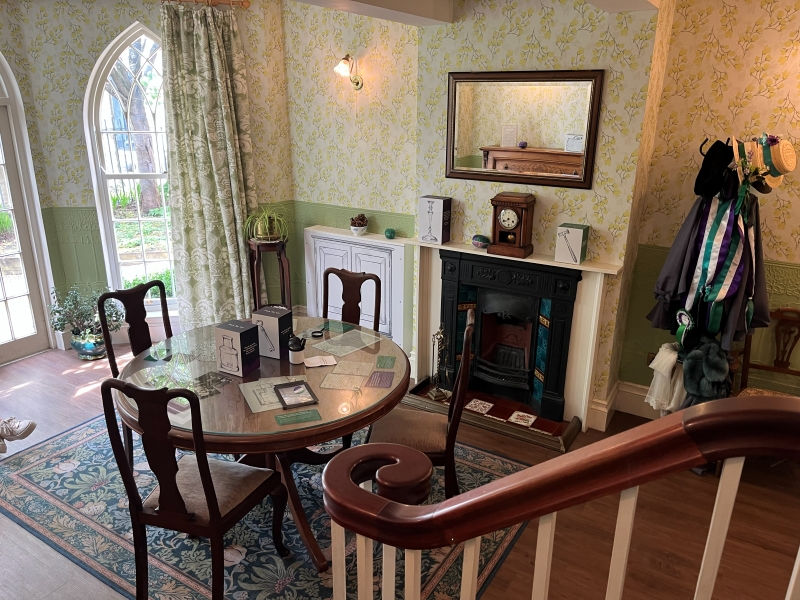
I'm sure this is many people's favourite part of the museum (although the commemorative gardens are also very nice - the Green/White/Purple is a great colour scheme for planting!) the parlour where the Women's Social and Political Union first convened on 10th October 1903. Apparently the invite included the following text... 'Women...we must do the work ourselves. We must have an independent women's movement. Come to my house and we will arrange it.' 💪

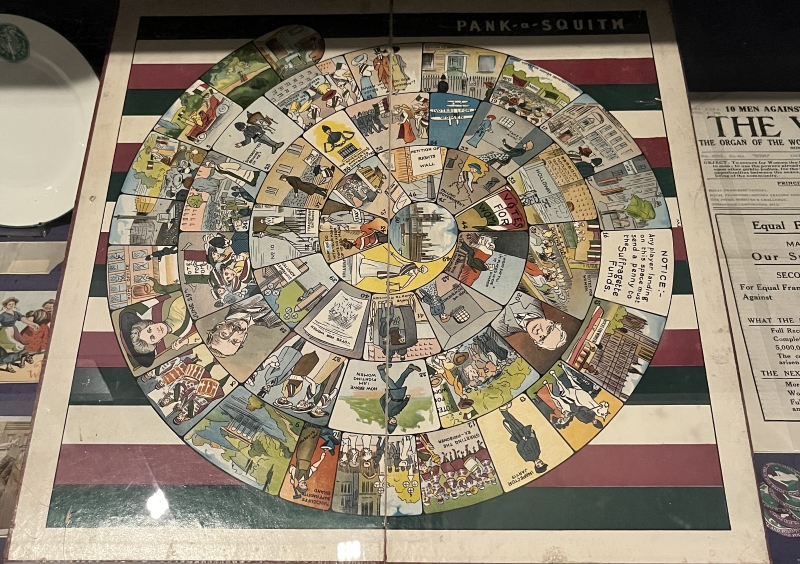
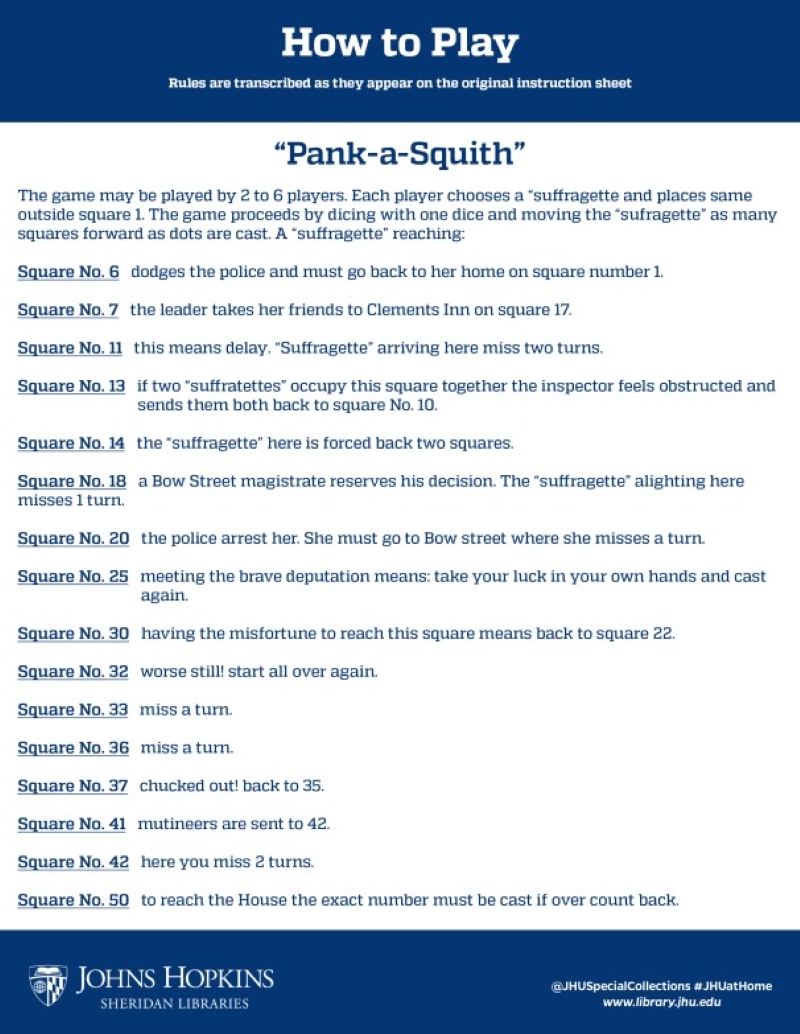
I also made a quick suffragette-focused trip back to the People's History Museum to remind myself of some of the things held there. Most loitered under photograph-resistant shiny glass cases 🙁, but I did get an almost passable image of the 'Pank-a-Squith' board game (I've also tracked down a transcribed set of the rules).
[Home Page]
Permalink
Share post
Steven Oliver

Metropolis

Visible to anyone in the world
Edited by Steven Oliver, Saturday 23 May 2026 at 15:30

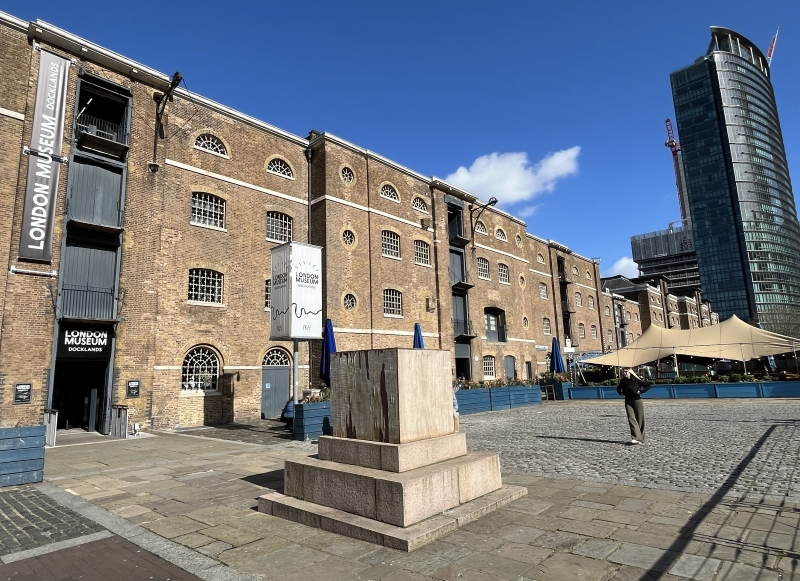
A mid-March trip to London allowed me a Sunday at leisure in the Metropolis and gave me a chance to visit the London Museum Docklands. This is sited on West India Dock right in the centre of London's historic docklands. I'd been interested in this site since attending this year's OU Arts and Humanities Day School, and listening to Kate Donnington's talk on legacies of slavery.

There's an interesting video here that she made whilst working with the London Museum, one thing worth noting is that this was filmed before a key change to the memorialisation which Kate discusses. 

The video was completed before 2020, at which point (the day after the Colston Statue was toppled) the statue of Robert Milligan that had been outside the Docklands Museum since 1997 was removed. There is a great blog about the Milligan statue, part of the 'Cast in Stone' project - which documents a range of statues commemorating empire in Britain and France.

On the day I visited the plinth outside the museum is all that remains, and the base is largely concealed behind wooden boarding.

Apparently 2027 should see work completed on the installation of a memorial to the victims of transatlantic slavery - named 'The Wake'.


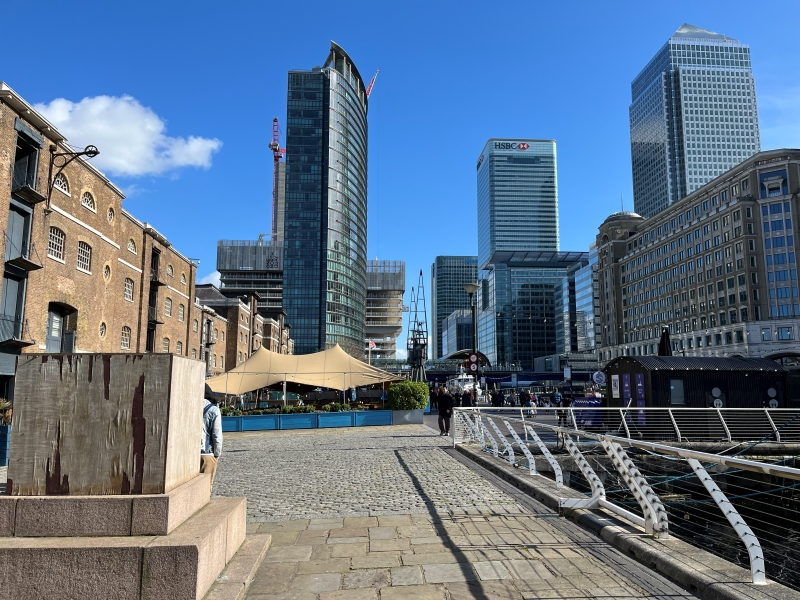
Before entering the museum there's a chance to look back at the great successor to British exploitative trade .... global finance (just as much a legacy of empire and slavery!)

The museum is excellent with a range of galleries - including a powerful one on slavery and sugar. On the day I visited there was a tour focusing on women resisting and campaigning against slavery, including Elizabeth Heyrick, the organiser of the sugar boycott.

There were also galleries that covered the 1898 London Dock Strike - and some really interesting material on the 1980s and what will always feel like the 'Long Good Friday' period, when money started to flow into the decaying docklands.

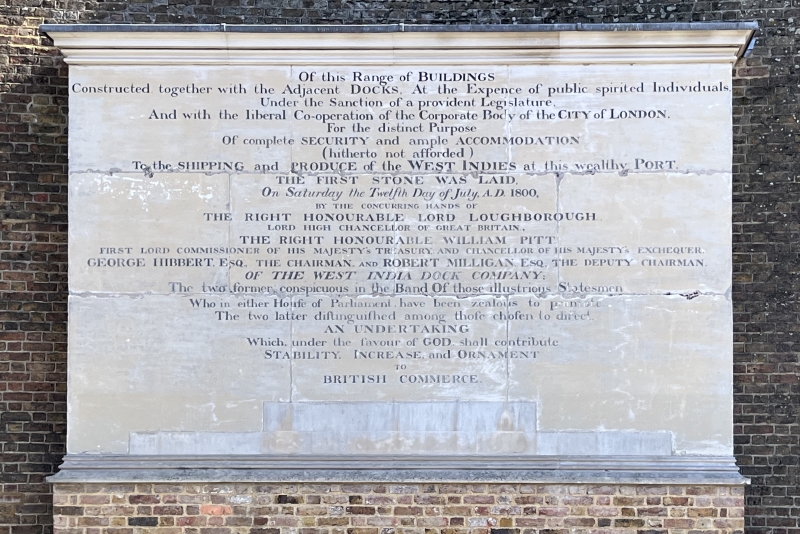
The picture below shows the dedication memorial highlighting both George Hibbert and Robert Milligan as leaders of the West India Docks Company - this currently doesn't have any additional contextual information.

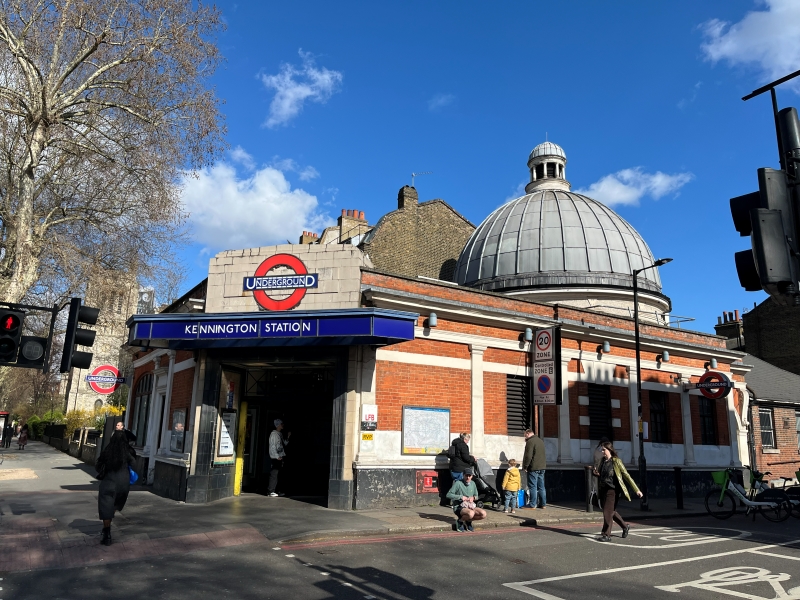
Whilst I was in London there was a chance to explore a bit of late Victorian urban technology, I took a ride on the Northern Line to Kennington Tube Station. The station is largely unaltered since it opened in 1890 as part of the first electric underground railway in the world. The original route was created by the City and South London railway and was the first to be tunnelled rather than digging a trench. It was originally going to be a cable-car, but this wasn't judged practical, so it was switched to an electric engine. The dome on the station building used to house a hydraulic lift.

[Home Page]
Permalink
Share post
Steven Oliver

Dublin day-trip

Visible to anyone in the world
Edited by Steven Oliver, Wednesday 6 May 2026 at 20:51

I was lucky enough to manage a day trip to Dublin last week and packed in a fair bit of A111 and A113 😀

The following are just a few snaps from the day.


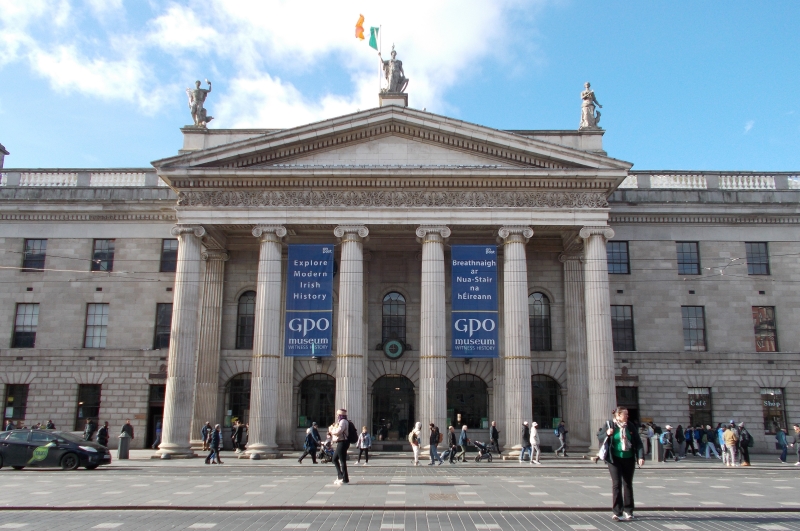
The GPO building where the Republic was proclaimed in 1916 - the museum was good (but pricey at €15) few of video installations featured historians who contributed to OU materials.

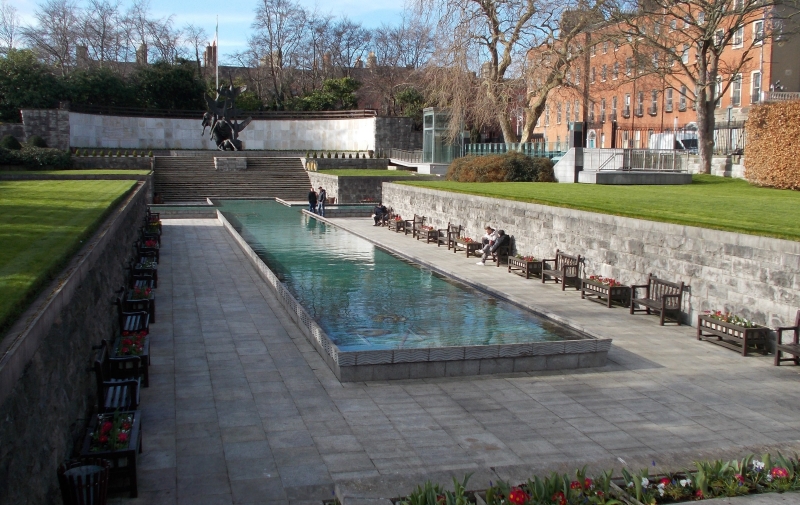
Garden of Remembrance that features in A111 and was opened in 1966

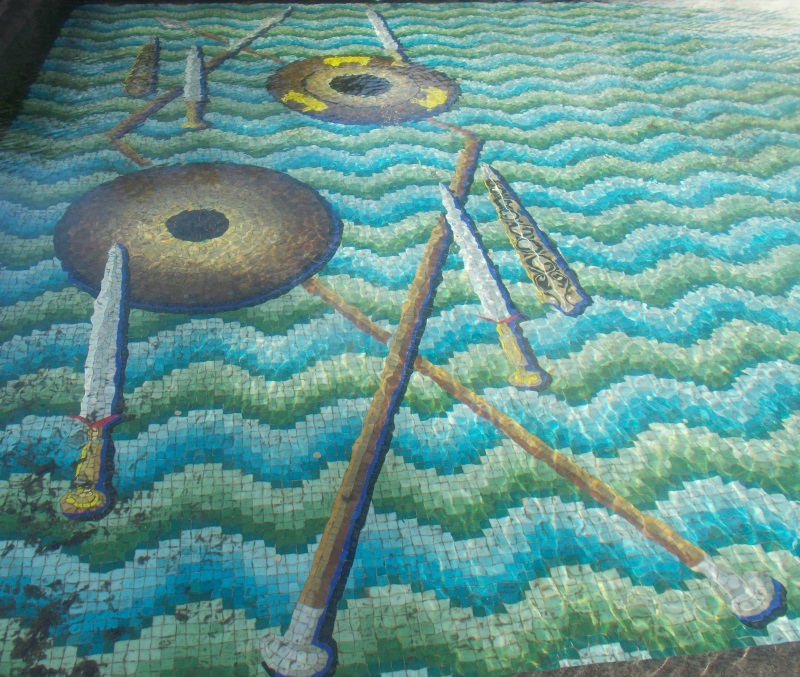
The iconography of 'celtic' weapons broken and cast into water as a mark of the end of hostilities

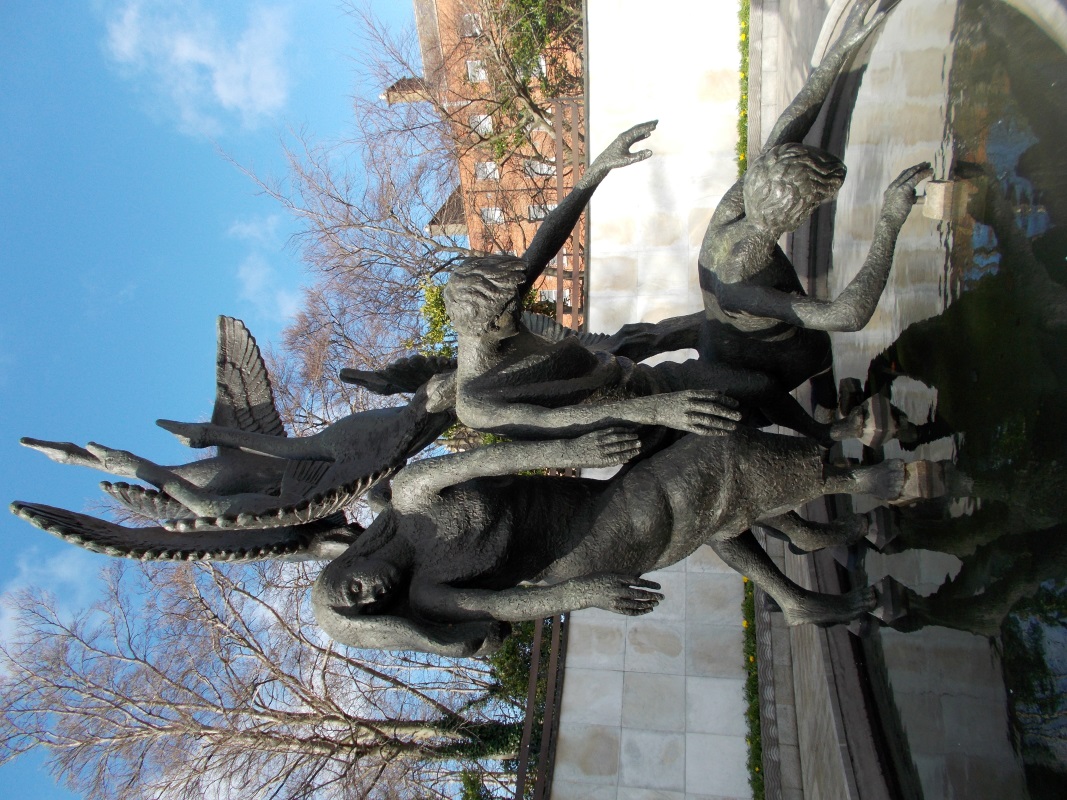
The Children of Lir - rising, resurrected, redeemed, reborn....

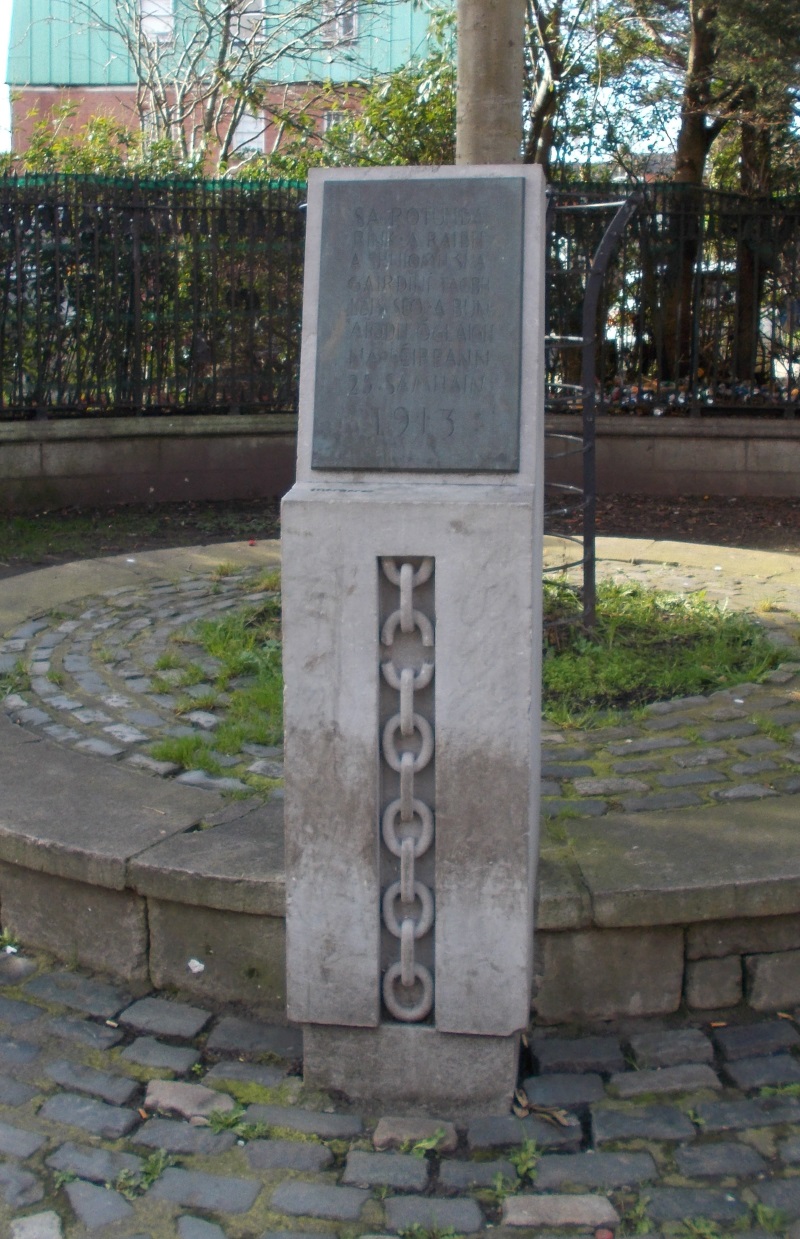
Just outside the Garden is this memorial to the formation of the Irish Volunteer Force on that spot (it was I think an ice rink then) in 1913 - in response to the earlier establishment of the UVF that is discussed in A113. 

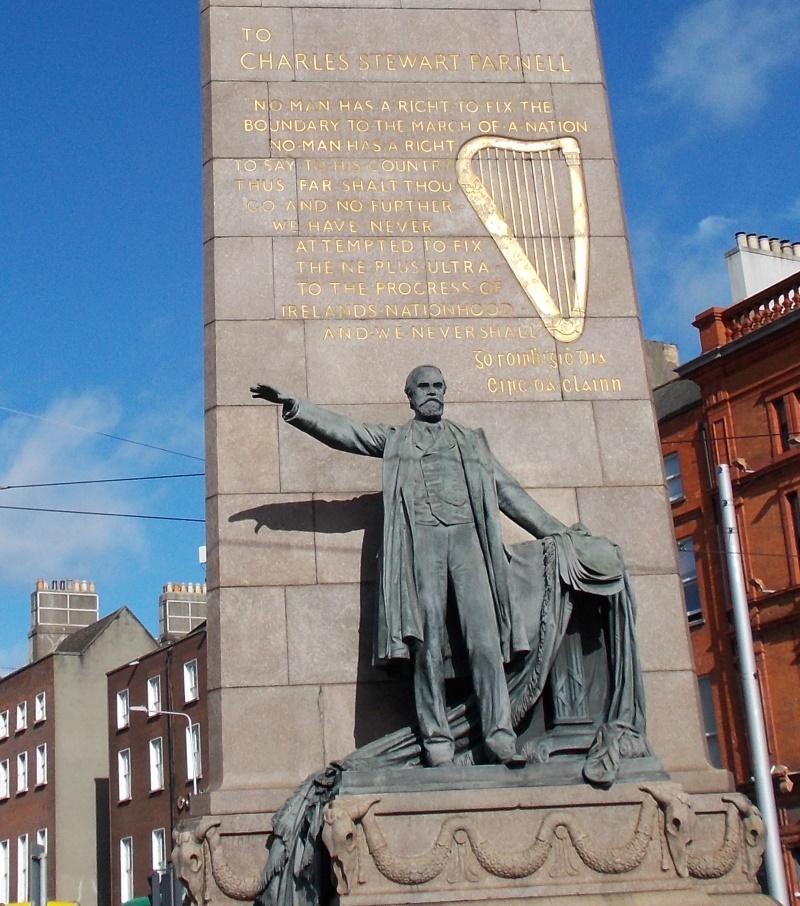
Apparently Parnell's statue caused some controversy when it went up in 1911, I presume because he was then still a divisive figure. Really interested in what I assume are Roman 'fasces' under all the drapes, I think at this point in time they may have been used as a symbol of Republican 'unity'. It's also a classic Roman sculptural pose that we encountered in A111. 

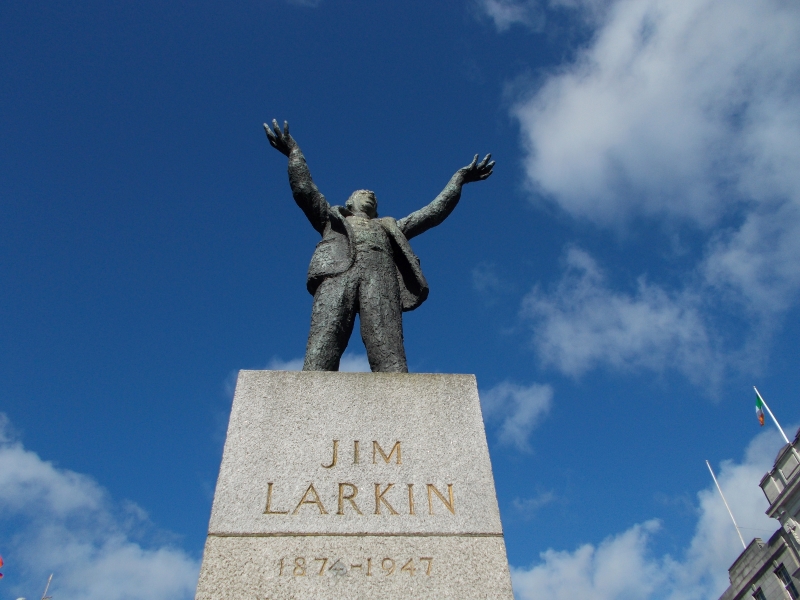
Second sculpture by Oisín Kelly (the first was Children of Lir) - this one of James Connolly's comrade, Jim Larkin. A co-founder of the Irish Citizens Army and a staunch revolutionary socialist. 

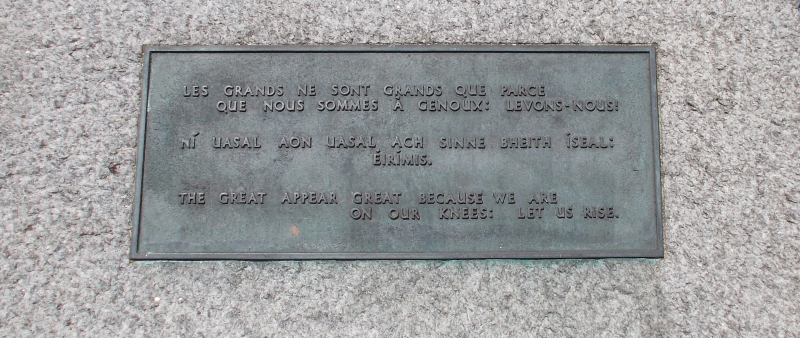
He used the quote below in one of his speeches - it apparently harks back to the French Revolution and is generally credited to Camille Desmoulins.

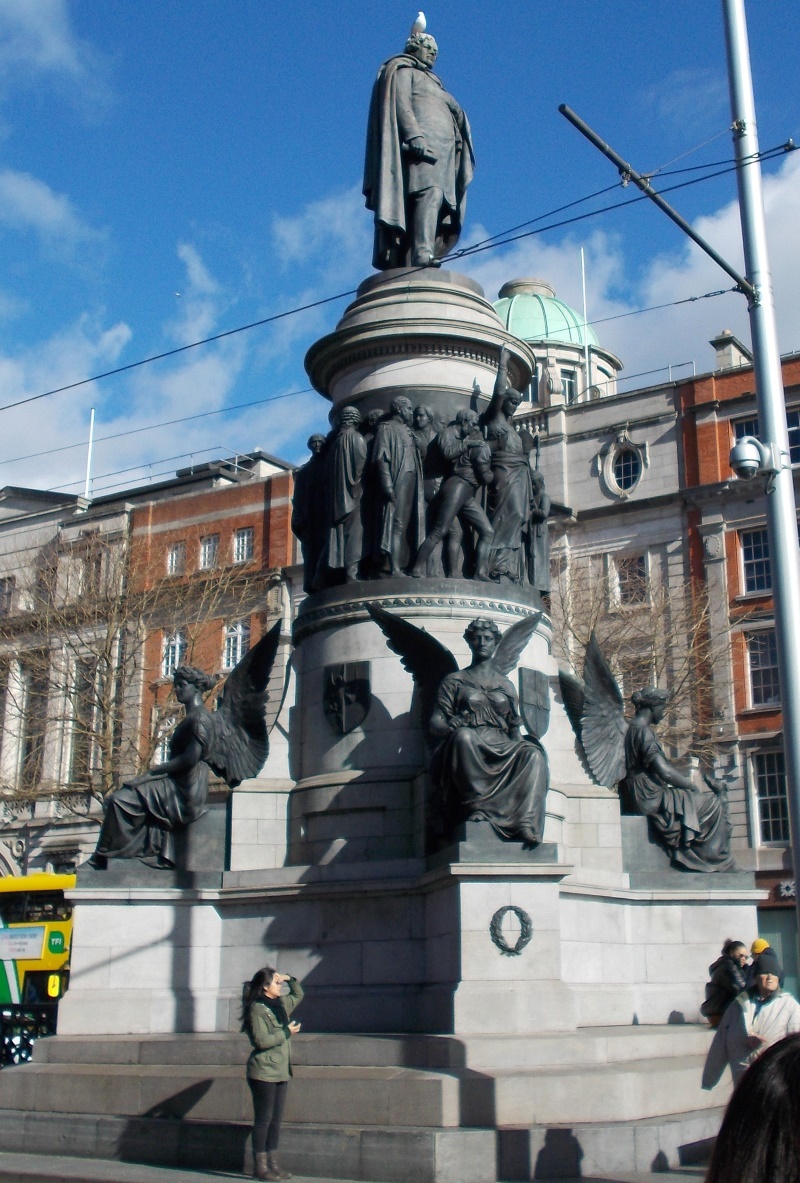
From A113 the 'Liberator' Daniel O'Connell (plus obligatory seagull) gets centre stage with a monument and of course the main street (since 1924)

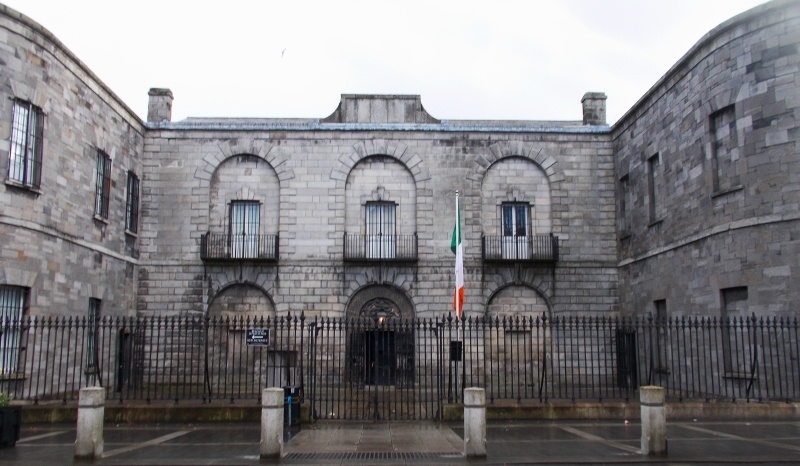
Kilmainham Gaol

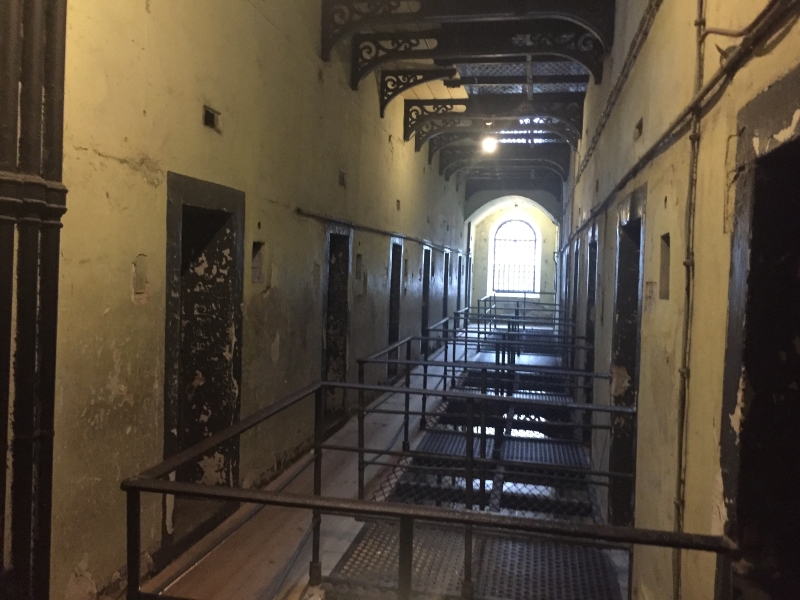
Corridor where most of the 1916 rebels were held before execution.

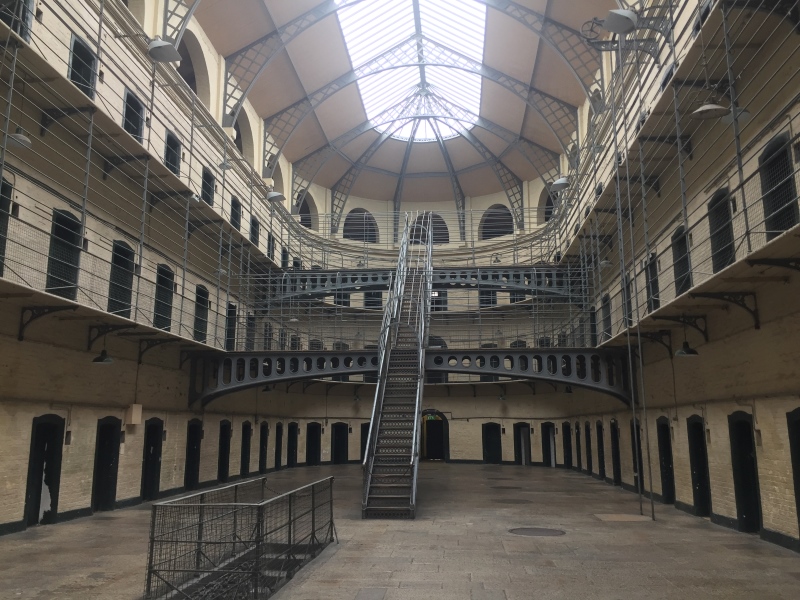
The classic 'panopticon' prison design in the Victorian wing of KIlmainham Gaol. Éamon de Valera was a prisoner here and Hugh Grant danced down the steps at the finale of 'Paddington 2' (Noel Coward also celebrated the apparent achievement of the 'Italian Job' here)

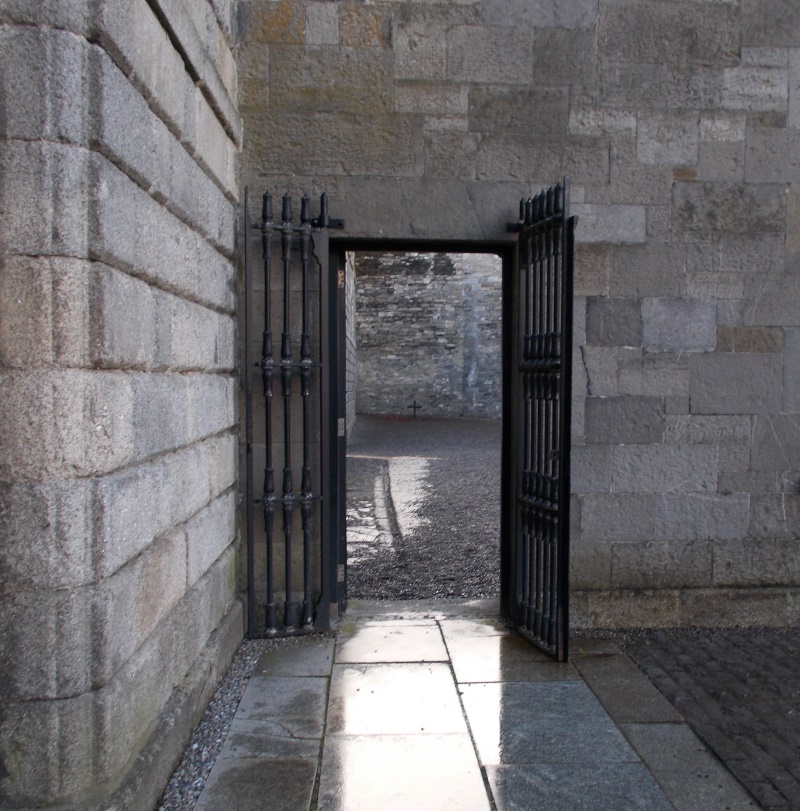
A final look back into the stone-breakers yard and the spot where James Connolly was executed. It was interesting, given the reflection in A111 on contested memories, to hear that the prison wasn't initially promoted in the Free State as a 'hallowed' site - the fact it was also the place of execution of some anti-Treaty rebels made its heritage a difficult one, at least until Fianna Fáil gained power.

[Home Page]
Permalink
Share post

This blog might contain posts that are only visible to logged-in users, or where only logged-in users can comment. If you have an account on the system, please log in for full access.

Total visits to this blog: 79034