OU blog

Personal Blogs

Steven Oliver

Metropolis

Visible to anyone in the world
Edited by Steven Oliver, Saturday 23 May 2026 at 15:30

A mid-March trip to London allowed me a Sunday at leisure in the Metropolis and gave me a chance to visit the London Museum Docklands. This is sited on West India Dock right in the centre of London's historic docklands. I'd been interested in this site since attending this year's OU Arts and Humanities Day School, and listening to Kate Donnington's talk on legacies of slavery.

There's an interesting video here that she made whilst working with the London Museum, one thing worth noting is that this was filmed before a key change to the memorialisation which Kate discusses. 

The video was completed before 2020, at which point (the day after the Colston Statue was toppled) the statue of Robert Milligan that had been outside the Docklands Museum since 1997 was removed. There is a great blog about the Milligan statue, part of the 'Cast in Stone' project - which documents a range of statues commemorating empire in Britain and France.

On the day I visited the plinth outside the museum is all that remains, and the base is largely concealed behind wooden boarding.

Apparently 2027 should see work completed on the installation of a memorial to the victims of transatlantic slavery - named 'The Wake'.
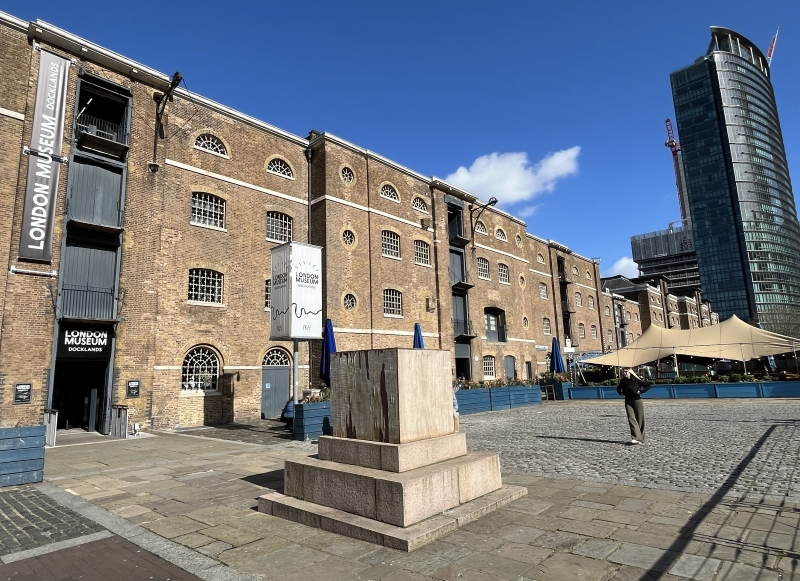
 

Before entering the museum there's a chance to look back at the great successor to British exploitative trade .... global finance (just as much a legacy of empire and slavery!)
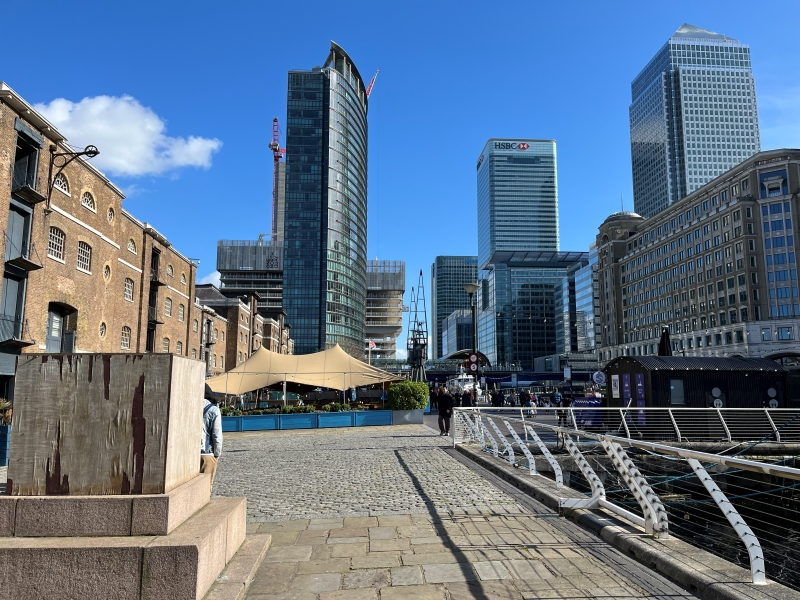
The museum is excellent with a range of galleries - including a powerful one on slavery and sugar. On the day I visited there was a tour focusing on women resisting and campaigning against slavery, including Elizabeth Heyrick, the organiser of the sugar boycott.

There were also galleries that covered the 1898 London Dock Strike - and some really interesting material on the 1980s and what will always feel like the 'Long Good Friday' period, when money started to flow into the decaying docklands.

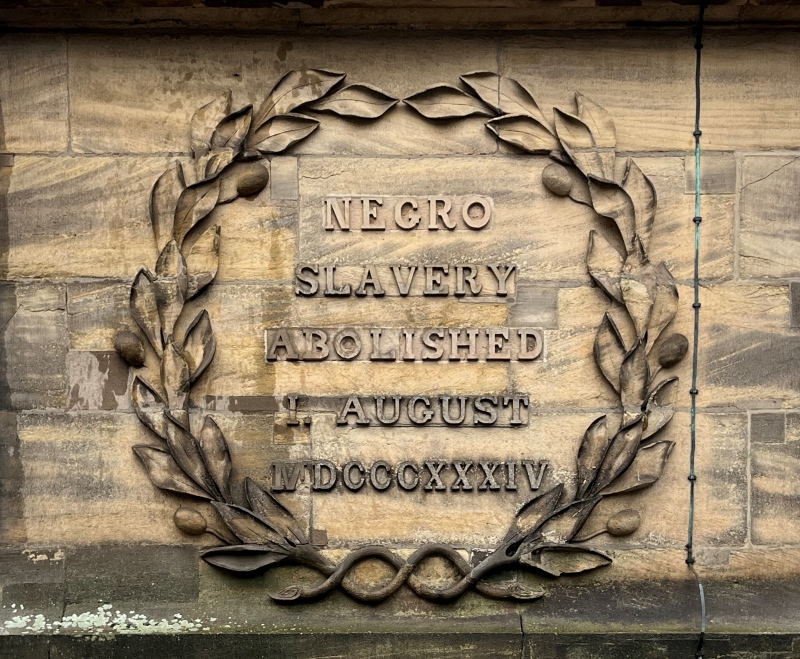
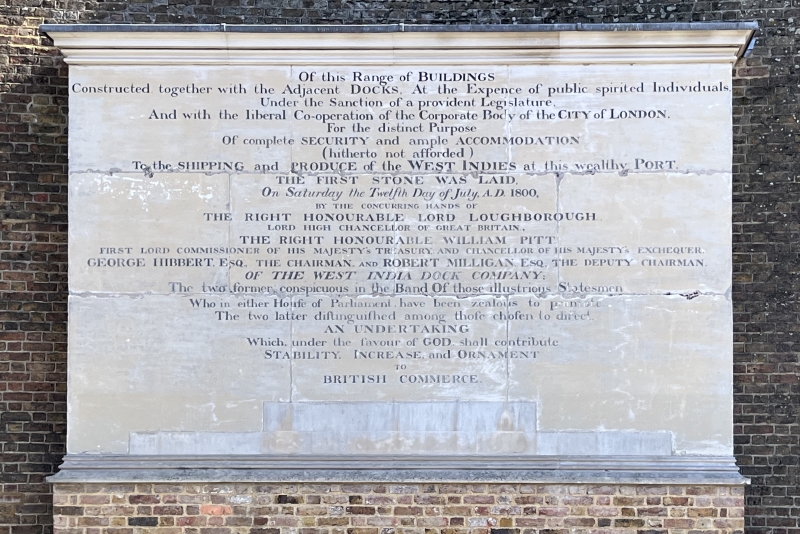
The picture below shows the dedication memorial highlighting both George Hibbert and Robert Milligan as leaders of the West India Docks Company - this currently doesn't have any additional contextual information.
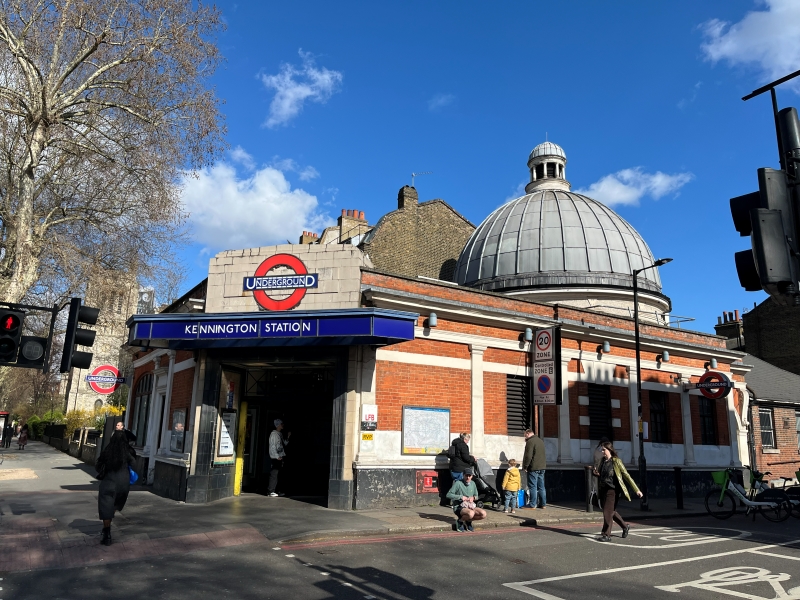
Whilst I was in London there was a chance to explore a bit of late Victorian urban technology, I took a ride on the Northern Line to Kennington Tube Station. The station is largely unaltered since it opened in 1890 as part of the first electric underground railway in the world. The original route was created by the City and South London railway and was the first to be tunnelled rather than digging a trench. It was originally going to be a cable-car, but this wasn't judged practical, so it was switched to an electric engine. The dome on the station building used to house a hydraulic lift.
[Home Page]
Permalink
Share post
Steven Oliver

Wilberforce: abolition and politician

Visible to anyone in the world
Edited by Steven Oliver, Thursday 7 May 2026 at 13:48

I only live a few miles from the village of Wilberfoss in the East Riding where William Wilberforce's family had their roots, he went to school in the nearest town of Pocklington and of course Hull, his birthplace and first electoral seat isn't far away - so felt obliged to go on a bit of field trip in December 2025, in the end it stretched over a couple of days 😀

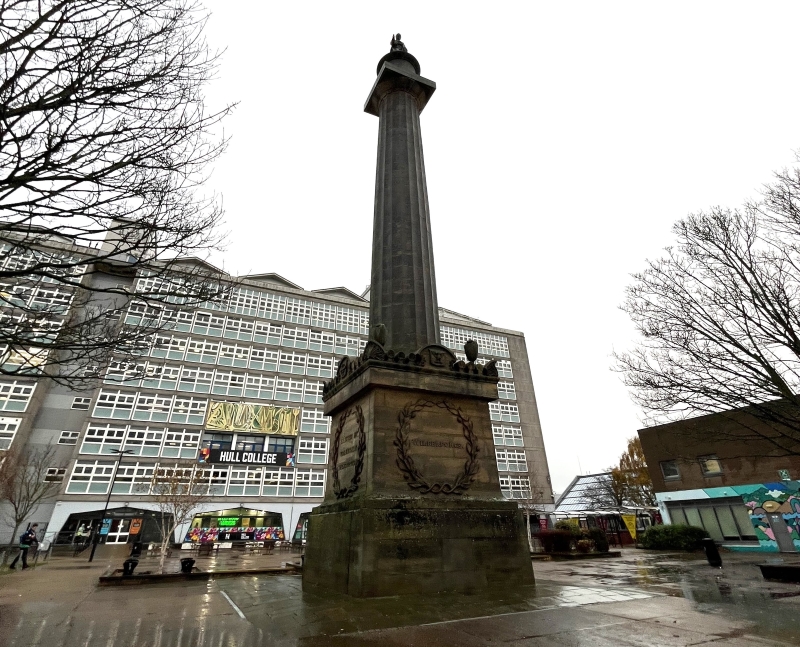
The column below was erected in Hull in 1834-5 shortly after Wilberforce's death - the first stone was laid on the day the Abolition Act came into effect. This is its second location - it was moved in 1935 during a period of urban reorganisation.

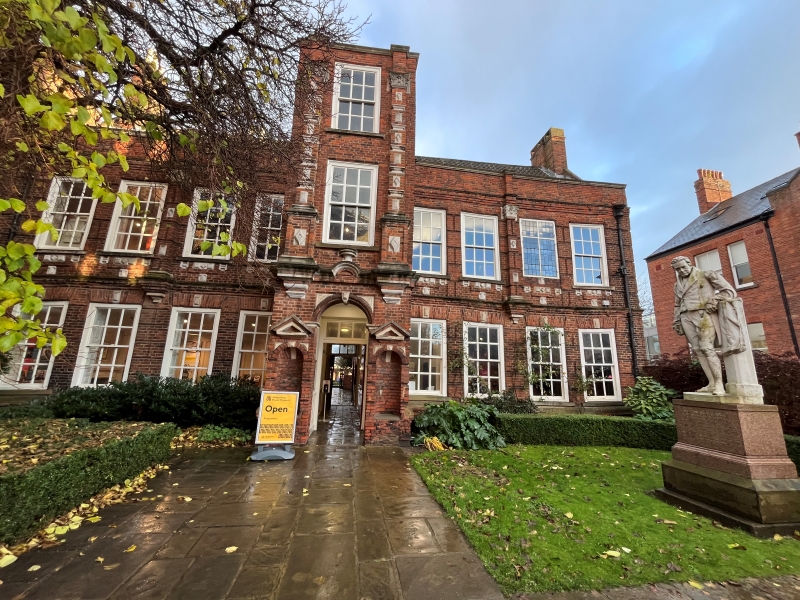
This is Wilberforce House - birthplace of William, the son of a local merchant who traded mainly with the Baltic ports. It's not obvious here, but the house essentially backs on to the river Hull - very close to business. A more mature William is shown in the imposing statue - however I'm not sure he was really a very physically imposing man, certainly described as a 'shrimp' at one political meeting. 

The house is home to a museum which largely focuses on the story of transatlantic slavery. Although of course there is a lot of 'Wilberforce' content I think they do a pretty good job of presenting a well rounded picture, with a strong focus on the experience and voices of enslaved people and plenty of coverage of the extra-parliamentary abolition campaign.

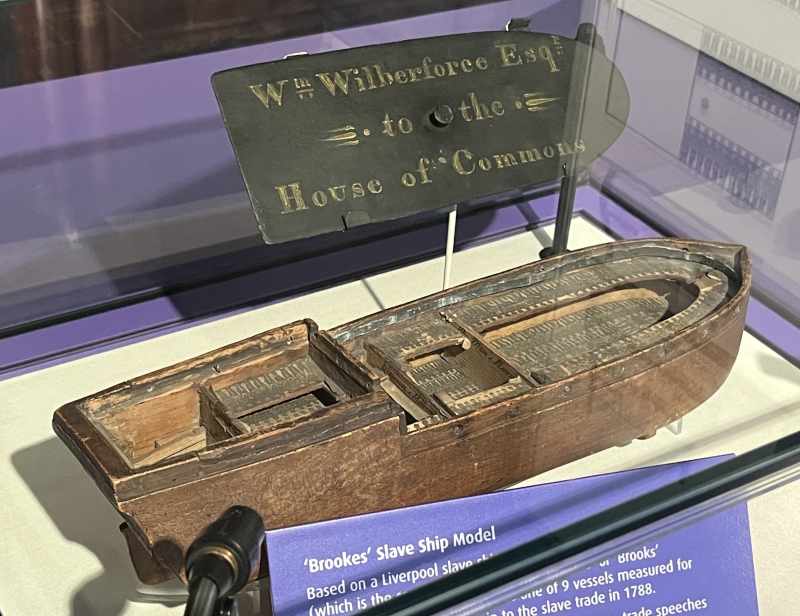
The image of the 'Brookes Ship' is probably very familiar - showing crowded bodies packed on a slave ship - but I'd not seen a 3D model before. Thomas Clarkson had this one made for Wilberforce to show in parliament. 

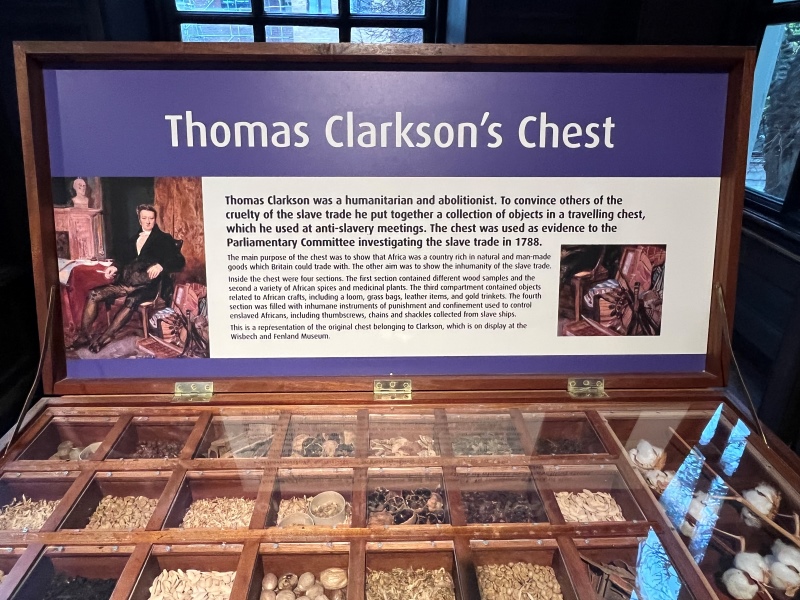
There is also a reconstruction of Thomas Clarkson's Chest - another example of the campaigning inventiveness the abolitionists showed. This displayed potential African goods that might form the basis of trade as an alternative to the purchase of enslaved people - lower layers of the chest contained shocking instruments of punishment and restraint.

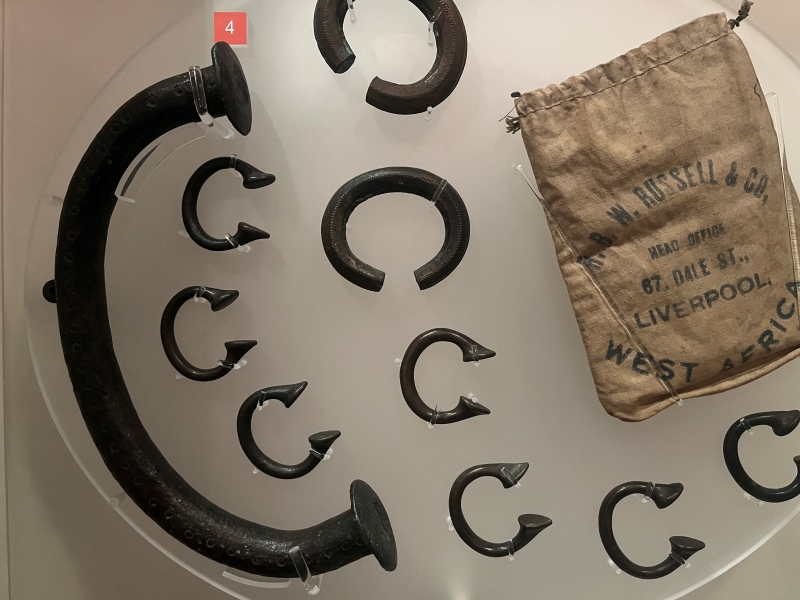
Couldn't resist a bit of A111 reminiscence - here's a display of manillas - brass traded with West African communities. 

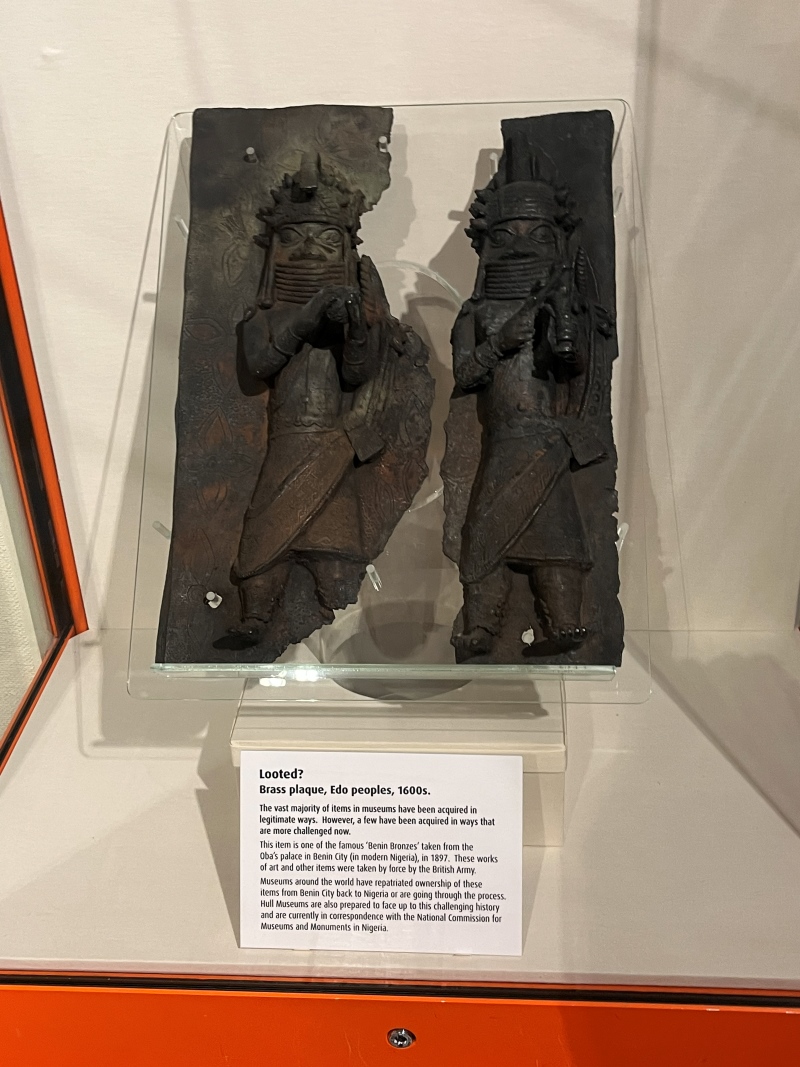
Even more directly connected to A111 and the art of Benin - the museum (for now) holds one 'Benin Bronze'. Plenty of history layered on this object - it was salvaged in its current state from the wreckage of Hull's Museum, which was completely destroyed during WWII bombing.

Day 2 of my Wilberforce-athon was today in York University library archives (I'm always astounded at what you can just request to see as a member of the public) and focused more on his life as a politician - in an as yet very unreformed parliamentary world.

For most of his time in parliament Wilberforce represented the County of Yorkshire (then with two seats) and sat as an 'independent' (though he was probably best described as a Tory). 

Shortly after the abolition of the slave trade in 1807 an election was called - Wilberforce had been elected five times before, but none of those occasions had actually required anyone going to the polls. In fact no one had voted in the County of Yorkshire since 1742!

On this occasion there was a 3-way contest - and it all got very exciting - and very expensive. Wilberforce raised his expenses via a public appeal - and ended up spending the equivalent of around £1¾ million in today's prices, his opponents each spent over £6 million each (of their families money). [If you wanted a shortish read about the election there's a great blog about it here from the Eighteenth-Century Political Participation & Electoral Culture project]

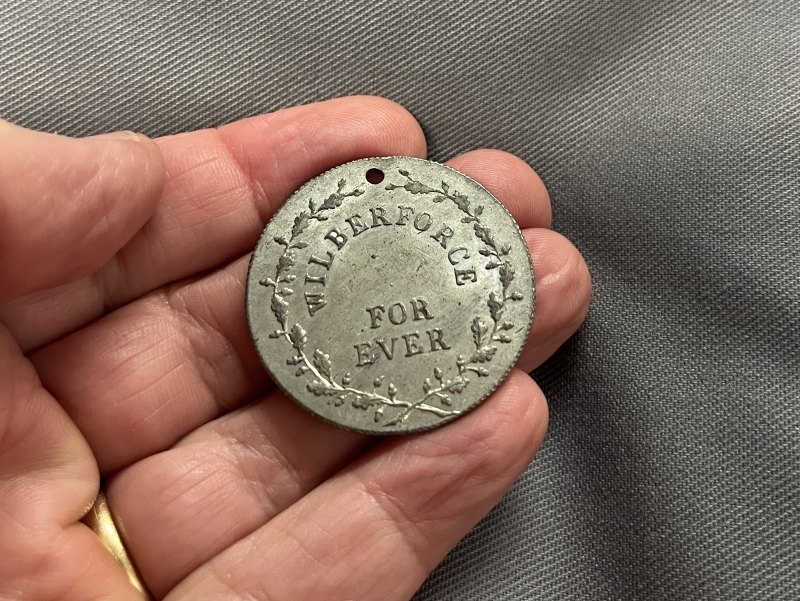
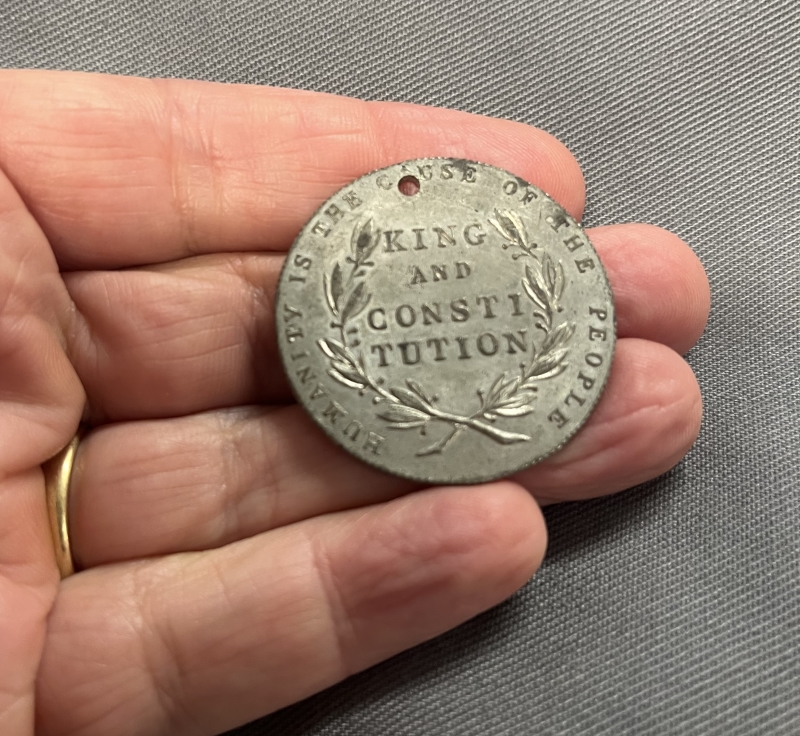
The object below is catalogued in the archive as an 'Election Ticket' from 1807. 

On one side there is an oak wreath and 'Wilberforce for ever'. The other side shows another wreath and the text: 'Humanity is the cause of the people' and 'King and Constitution' (felt there were lots of links possible with the idea of 'imagined communities'!) The medallion obviously allowed you to display your allegiance at the parliamentary election, I wonder whether it was also a marker that might have got you admission to the supporters' bars and refreshments? 

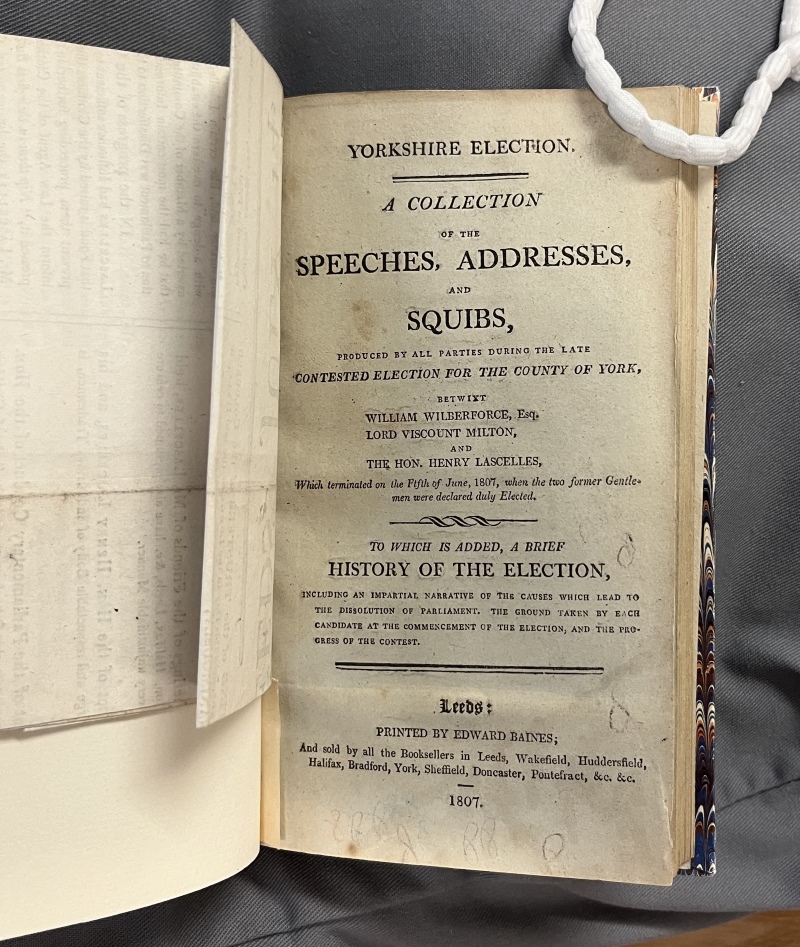
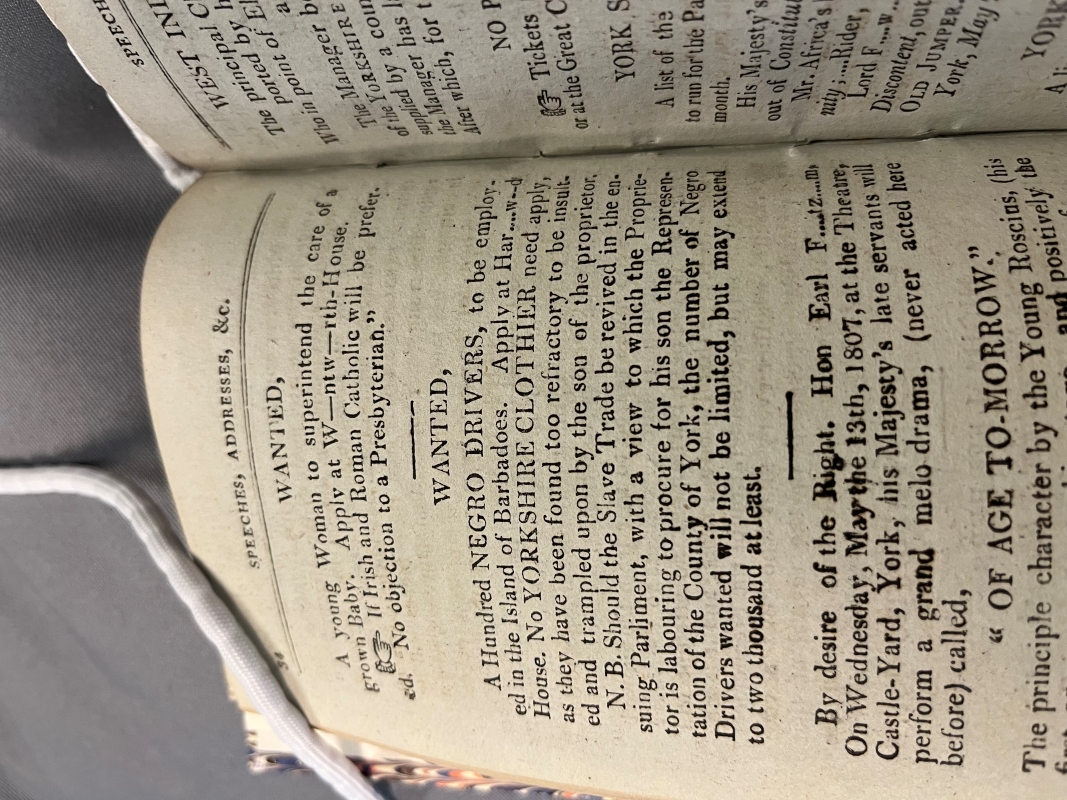
Once an election was over you could relive the best bits of invective and satire collected together in a 'squib book'. This one was produced in 1807 by the editor of the Leeds Mercury, Edward Baines. 

The two other candidates were:

Charles William Wentworth Fitzwilliam, Viscount Milton of Wentworth Woodhouse and Milton Hall (Whig) - He was young, inexperienced and his party supported Catholic emancipation

the Honourable Henry Lascelles of Harewood House (Tory) - He was from Yorkshire's most wealthy plantation owning family, had campaigned against abolition of the slave trade and was against Catholic emancipation.

As the squib book shows their opponents didn't hold back! 

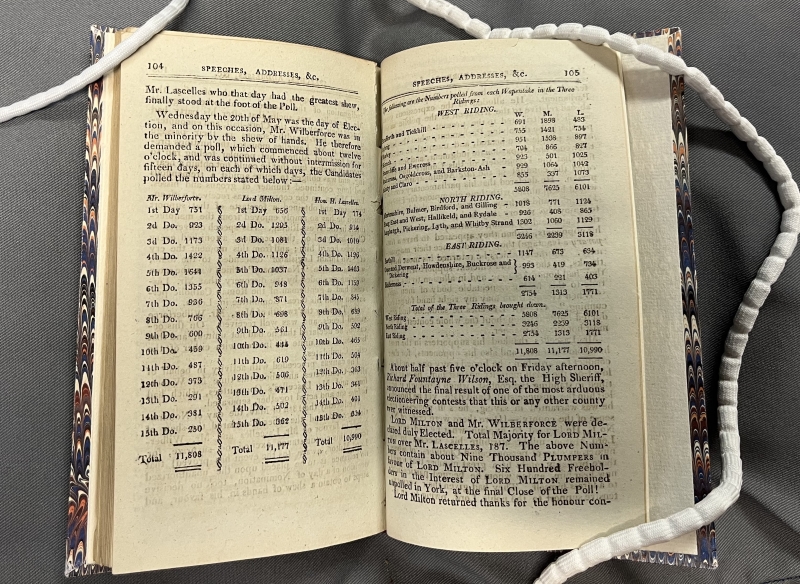
Voting took place in the centre of York over 15 days, with public votes totalled up each day. Wilberforce just sneaked in on top, followed by Milton - in total just over 30,000 votes were cast (people had two votes, but didn't always use both) - the 1801 population of Yorkshire was around 860,000, so democracy was still some way away!

[Home Page]
Permalink
Share post

This blog might contain posts that are only visible to logged-in users, or where only logged-in users can comment. If you have an account on the system, please log in for full access.

Total visits to this blog: 79132