Lincolnshire may be the official 'Bomber County' but you don't have to go far in East Yorkshire to encounter traces of the wartime bombing offensive, some in the least expected places. I've spent a bit of this week exploring some very local sites.
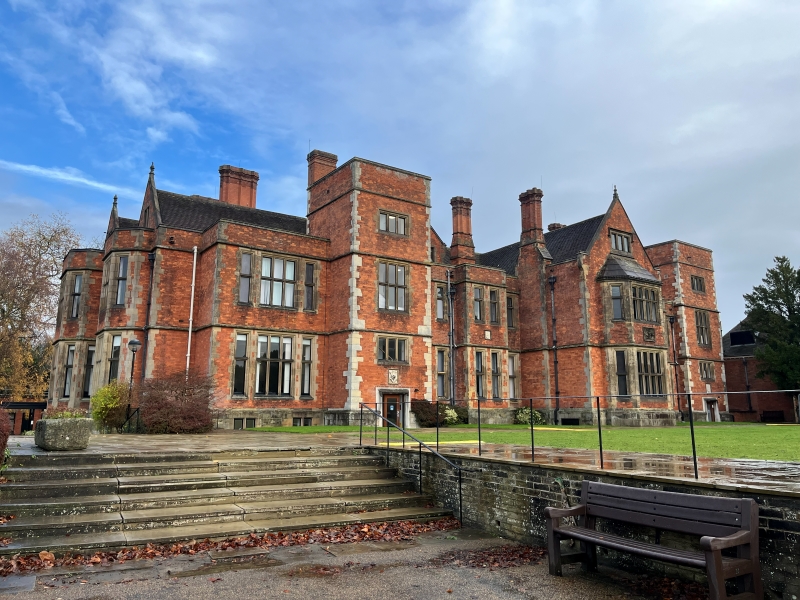
In a former life I used to work at the University of York, and the building above - Heslington Hall - was the main seat of power and influence, home to Vice Chancellor, Registrar etc. During WW2 it similarly housed 'top brass' - as the building was requisitioned by the RAF and served as HQ for No. 4 Group Bomber Command. Over 60,000 sorties were planned and coordinated from the building, which controlled around 12 East Yorkshire airfields.
One of those was RAF Elvington, which is now home to an air museum where, dare I say it - 'men of a certain age' 😀 tinker and rebuild old aircraft. Central to their display is a Handley Page Halifax bomber, the main aircraft used across No. 4 Group. It is a marvelous thing, but no intact Halifax bombers survived in the UK - and so it has been put together from 'bits'. The largest original element was a section of fuselage initially retrieved from a crash-site and being used as a hen-house on the Isle of Lewis, the upper gun turret had spent some time as a garden cloche!
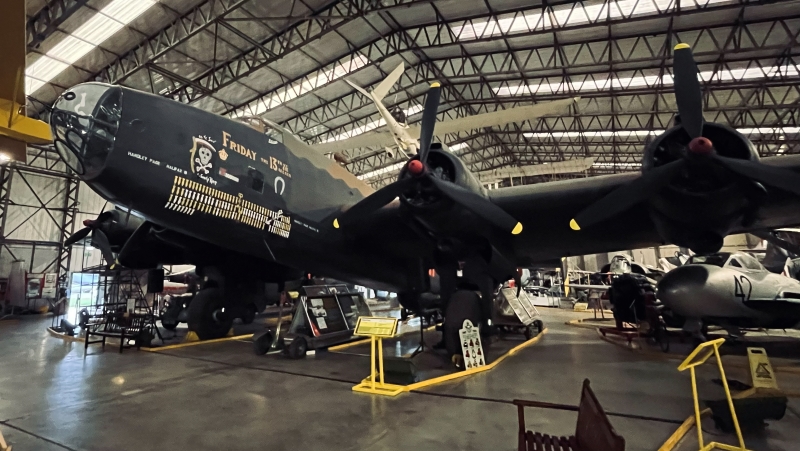
It is painted to represent a specific aircraft, LV907 with the call-sign 'F for Freddy', which flew from a base near Bridlington from spring 1944. Every previous 'F for Freddy' on the base had been lost (7 in total - 49 crew members), but this plane was not, and in fact went on to complete a record 128 missions. Good fortune was central to the identity created around the plane by crews but, in a typically sardonic way, completely inverted. It came to be known as 'Friday the 13th', with crews painting 'unlucky' symbols into the nose-art to stave off misfortune.
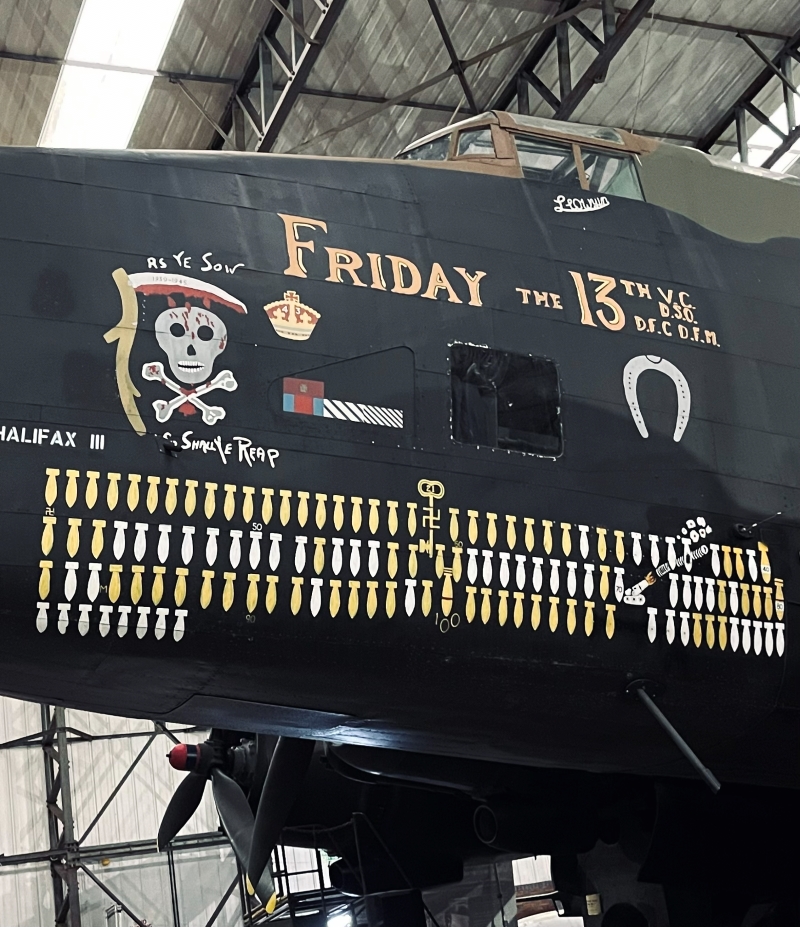
Of course this isn't a primary source (though it is a very faithful copy, the material left after the original plane was scrapped is kept at the RAF museum at Cosford) but there's still so much to reflect on. Firstly, just the sheer destruction of lives and buildings captured in the image of those 128 bomb loads. There's also the use of Christian scripture to justify allied bombing as 'retribution'. The colour of bomb reflects night (yellow) or daytime (white) raids, so I think you could also learn something about how the tactics employed changed across the war. Humour and horror intermingled.
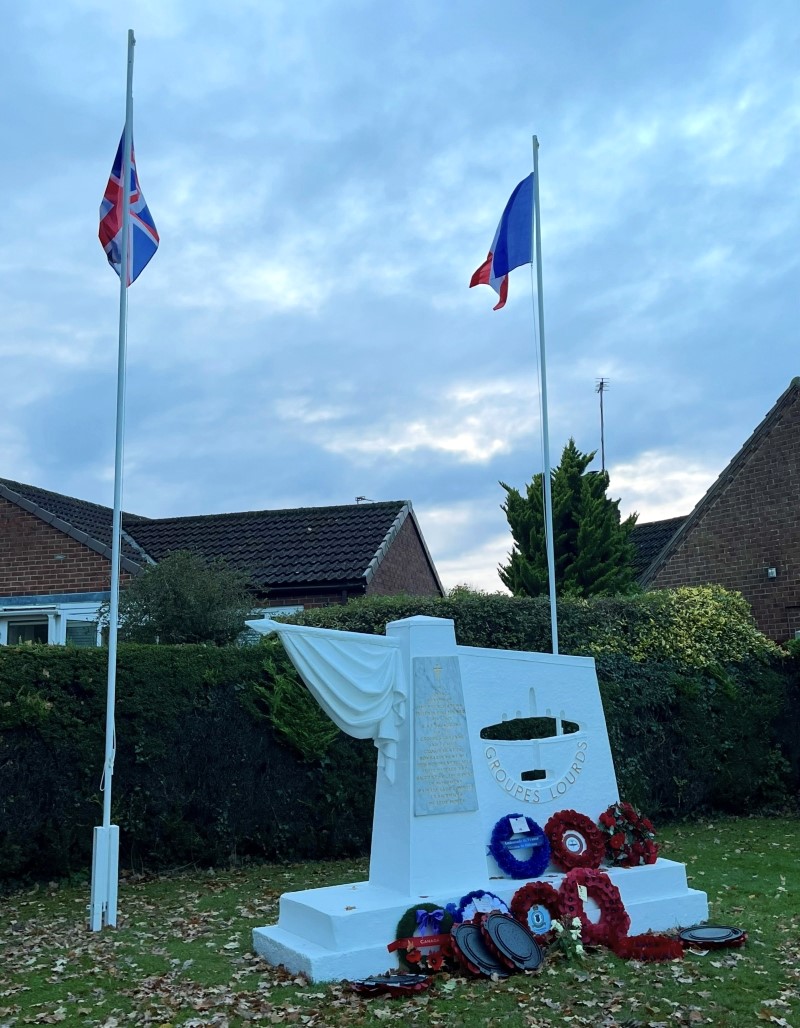
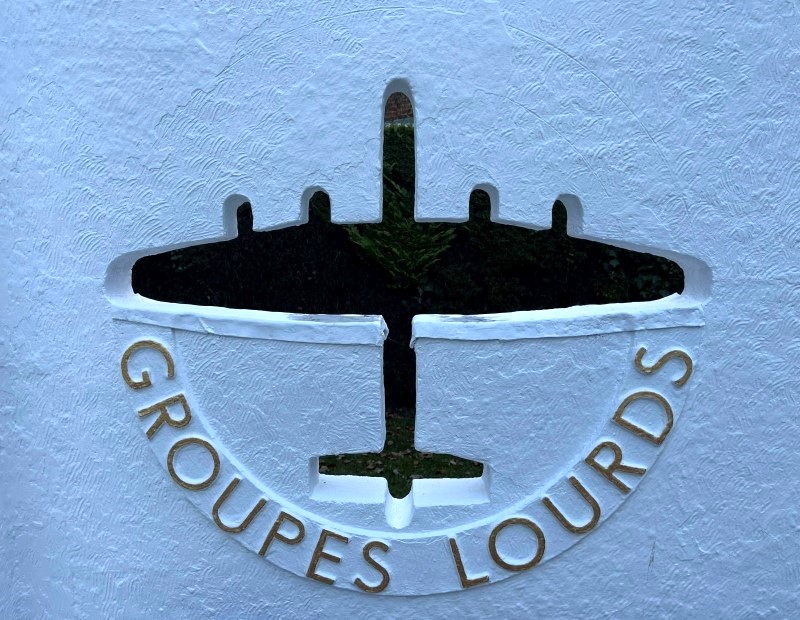
The squadrons that mainly flew from RAF Elvington weren't British though, or even from the imperial Dominions. From 1944 the base was home to two Free French bomber squadrons, and there is always a tricolore flying at their memorial in the nearby village. The French aircrews faced the particularly difficult challenge of bombing their own countrymen during the battle to liberate France and their post-war reception may have been even more difficult than that in Britain (there's a brief piece about them in History Today here).
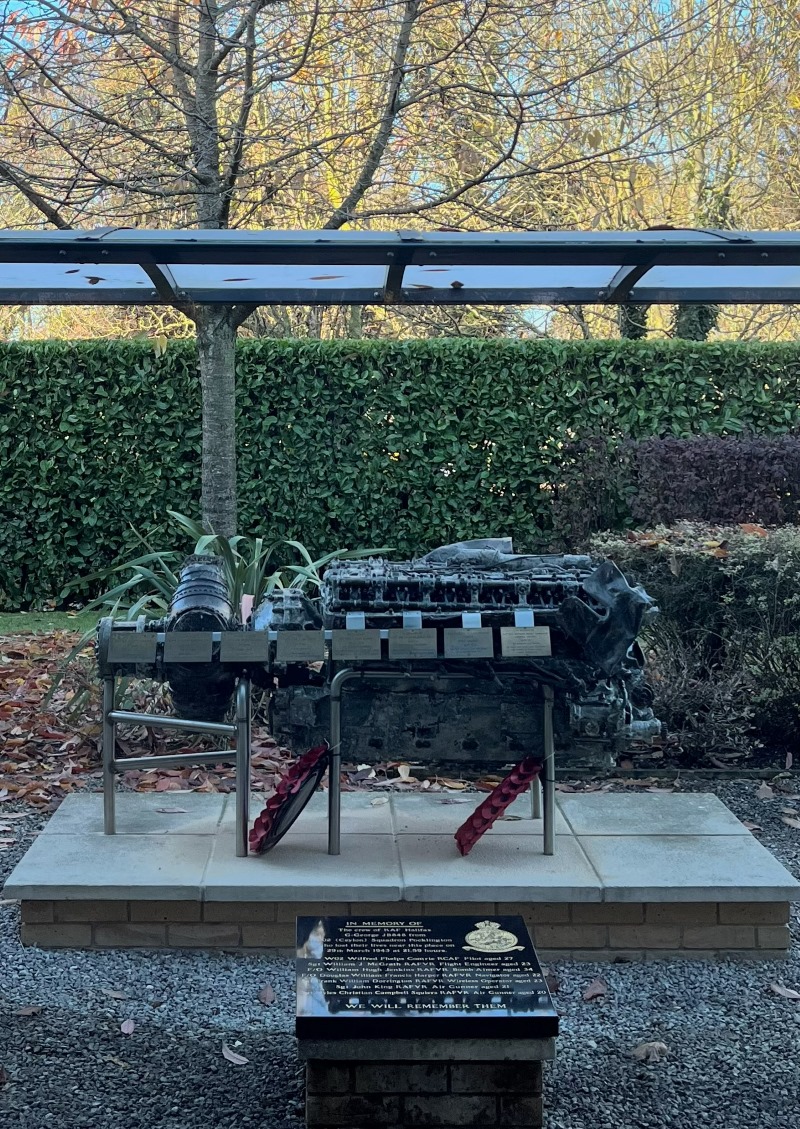
Today I went into our local GP practice in Pocklington to collect a prescription, which gave me a chance to take this photo through the practice window. It's the remains of a Rolls-Royce Merlin engine that was dug up (along with various bits of munitions!) when our new surgery was built about a decade ago. It too came from a Halifax bomber, G-for George JB848, which crashed almost immediately after take-off from the airfield beside the town in 1943.
All the crew died at the scene, the story is that they experienced mechanical problems whilst trying to avoid another aircraft, but at the last minute were able to turn away from the town itself - saving countless lives. I think this is where the 'critical perspective' we're encouraged to adopt in academic history is a double-edged sword - I want to believe that narrative, but I can also see how it too could be a 'myth' that brought meaning to otherwise 'pointless' loss of life.
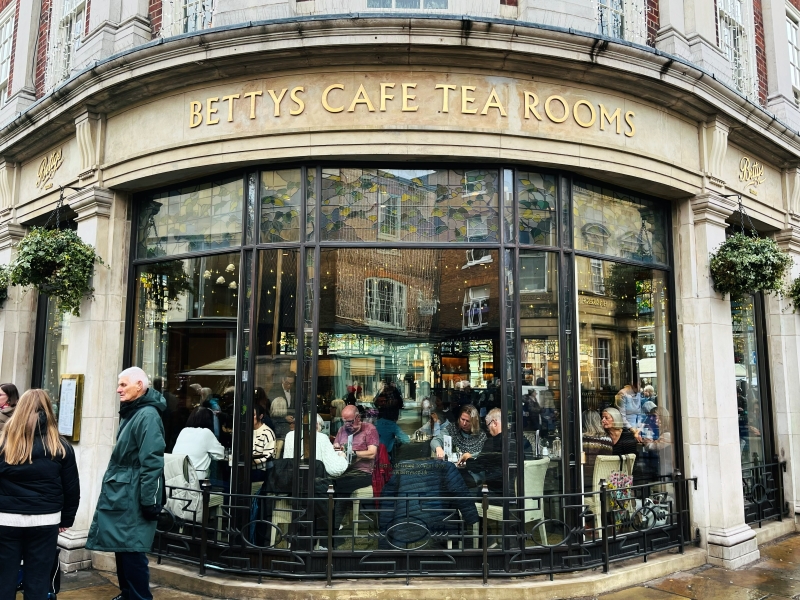
My partner picks and chooses which of my 'field trips' she'll come on (wild horses wouldn't drag her round another aircraft museum! 🤣), but this one was an easy sell.
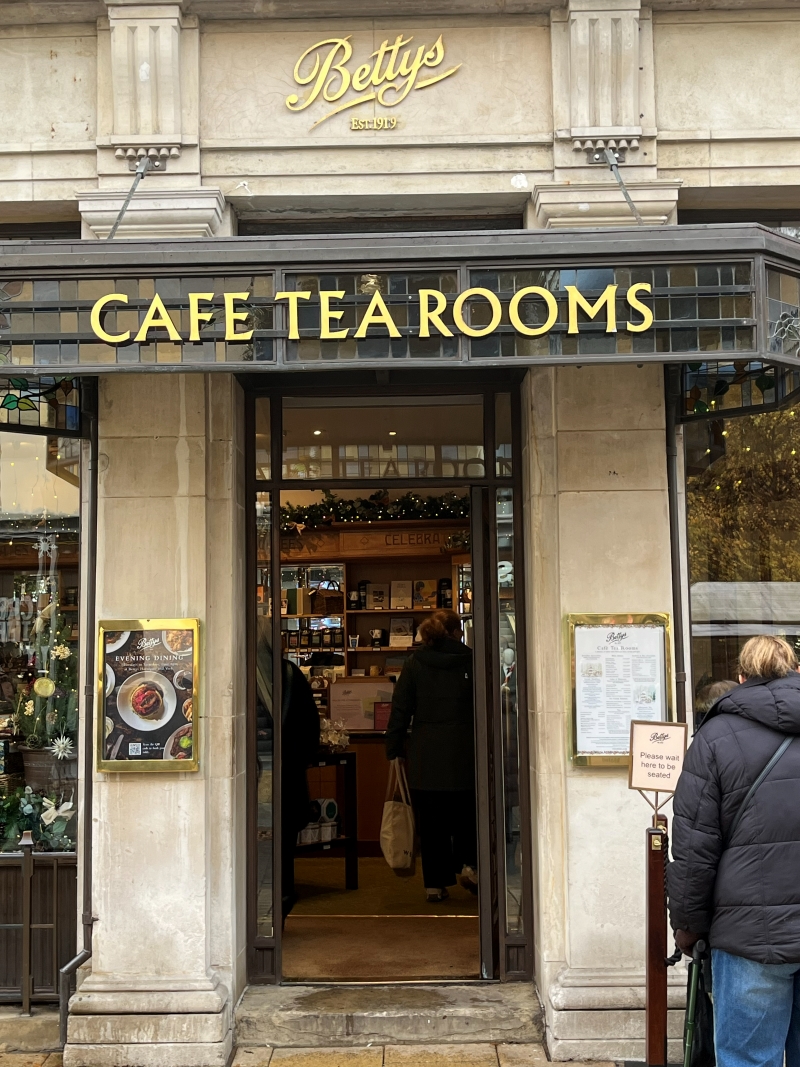
Whilst the original Bettys tea shop is in Harrogate there has been a cafe in York since 1937. Although there are cheaper places in town for afternoon tea, it is a great spot for a treat and has a queue outside in pretty much all weathers. So, not too tricky to tempt my wife for a mid-week date - the only downside was that she had to accept I was allowed to sneak off and take some photos outside the gents toilets!
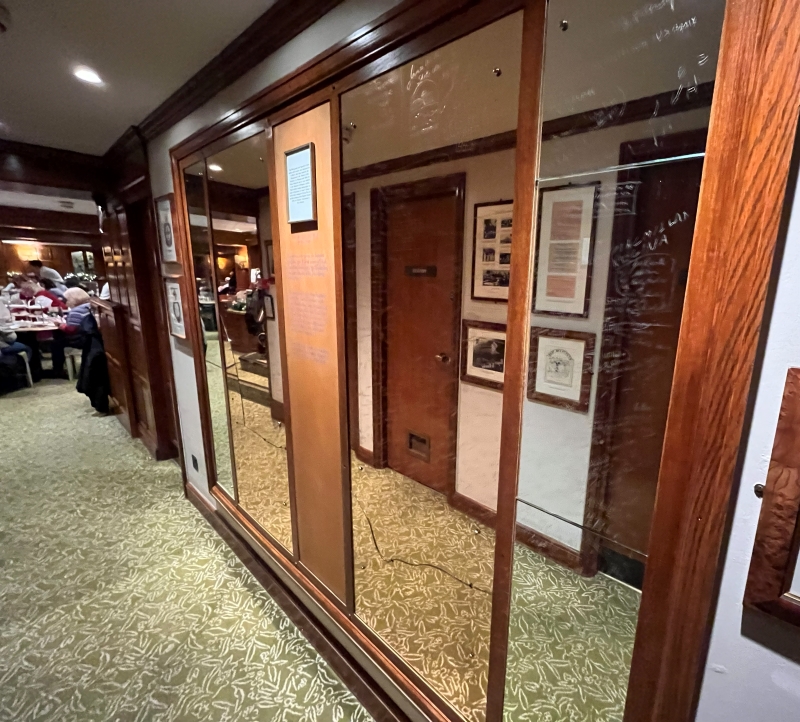
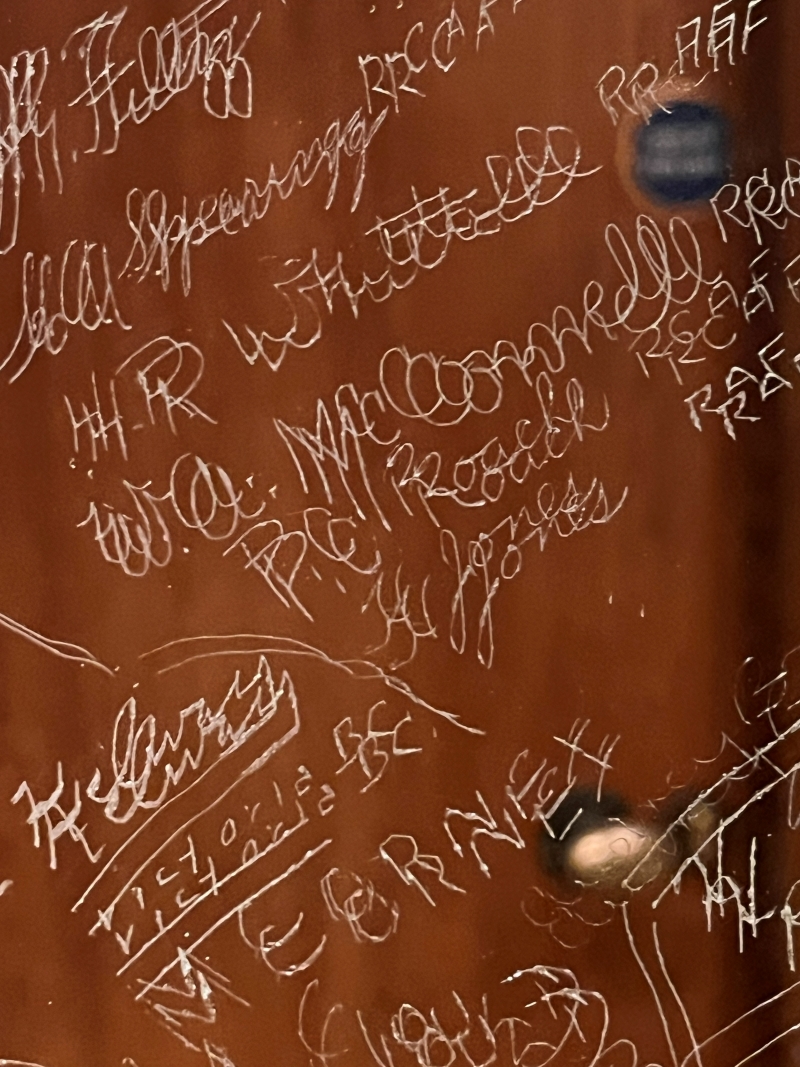
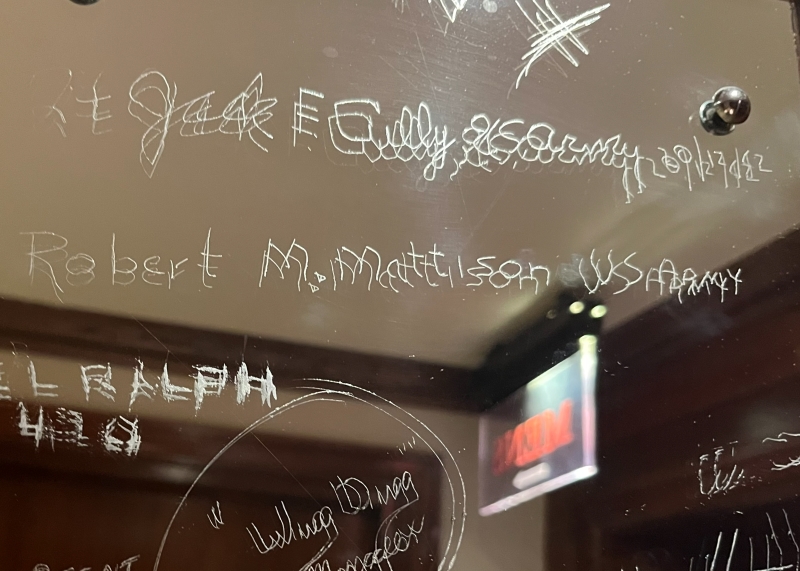
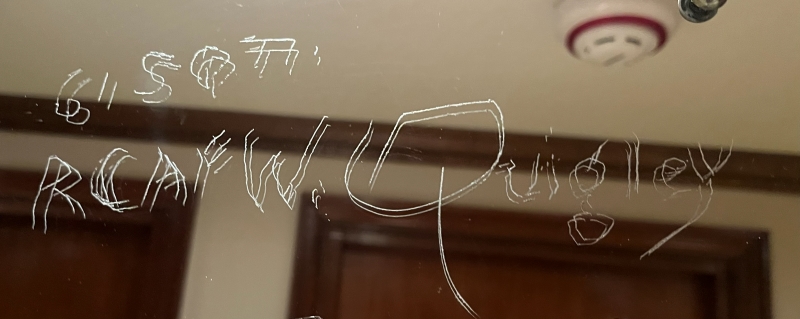
Nothing too awful though, as what I was trying to get pictures of was 'Bettys Mirror' that hung in 'Bettys Bar' during WW2. Over that time the cafe had a drinks licence and became a hangout for aircrew stationed around the city, enjoying themselves between bombing missions. A tradition developed of men scratching their names into the mirror and around 600 or so remain. These really are a primary source, etched into the glass during the war. They are a great reminder of the 'global' nature of the conflict, many men record their Canadian and Australian squadrons. The mirror is also cracked, itself broken during an air raid on York.
I always find it a very poignant memorial of that time.