

Had a day in Leeds recently, seen through the eyes of A225 and the mid-19th century middle class.
First stop was to check in where the money was coming from, before seeing by the end of the day how and where it was being spent.
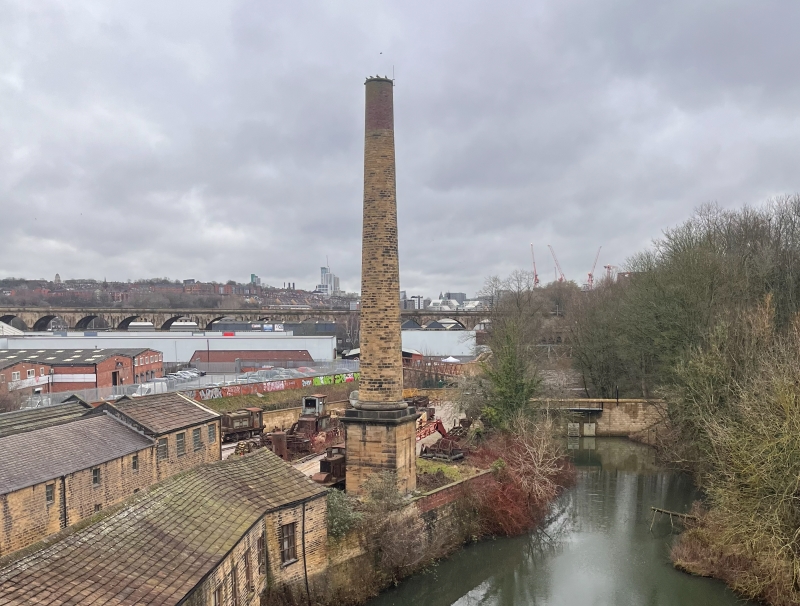
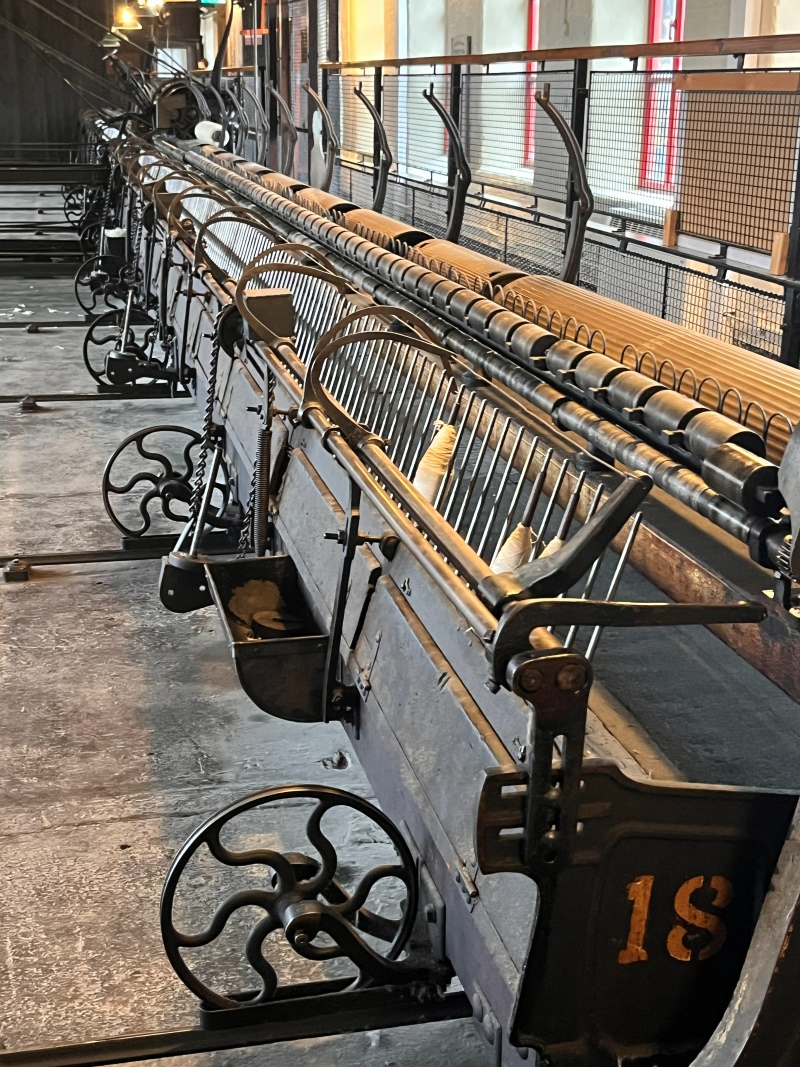
This is Leeds Industrial Museum based in Armley Mills to the west of Leeds. The site originally drew on the water power of the river Aire and was for a time in the late 1780s the largest woolen mill in the world. It has milled corn as well as textiles and carried on as an active industrial site until 1969.
Wool was the mainstay of the West Yorkshire economy, but Leeds had a broad industrial base which the museum celebrates and even a small role in the history of moving pictures. There's a good case for the first film recording having been made in Leeds in 1888.
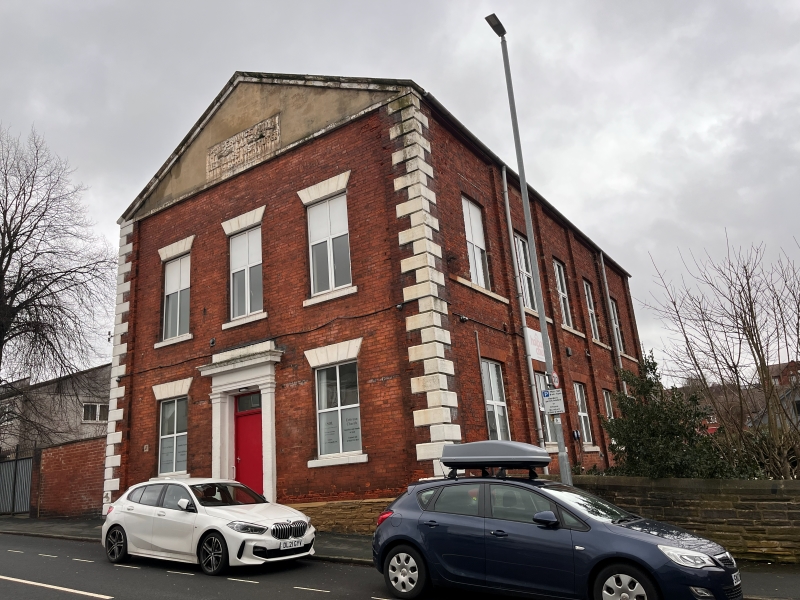
Moving into the city, my first stop was the 'Woodhouse Temperance Hall and Mechanics' Institution' that was met in unit 12 of A225 being opened by Samuel Smiles in 1851. It's still a functional building, situated in a working class area of the city and housing an independent evangelical Christian church.
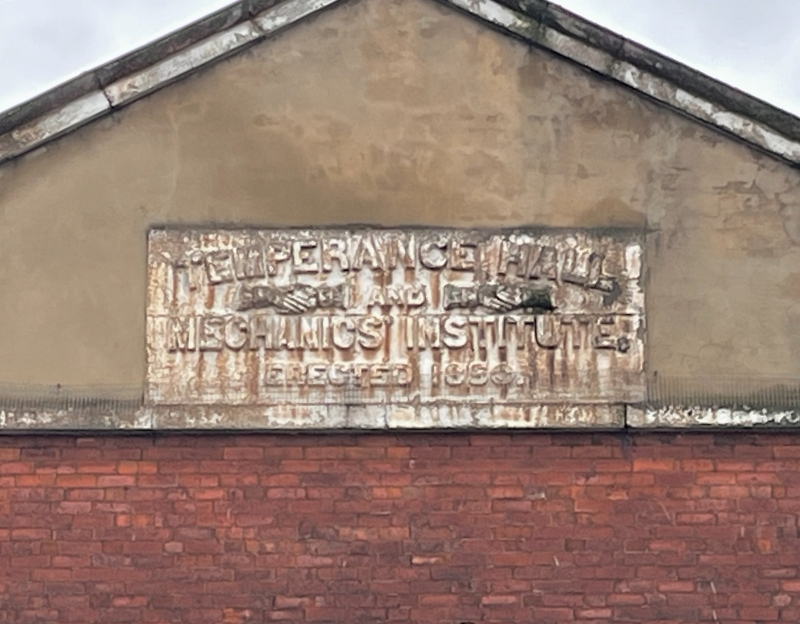
You can still make out the original plaque.
Whilst the Temperance Hall might, in the OU's words, have a 'classical front [...] designed to announce this was an important building' there's 'announcement' and 'ANNOUNCEMENT!!' and Leeds City Centre is all about the maximal.
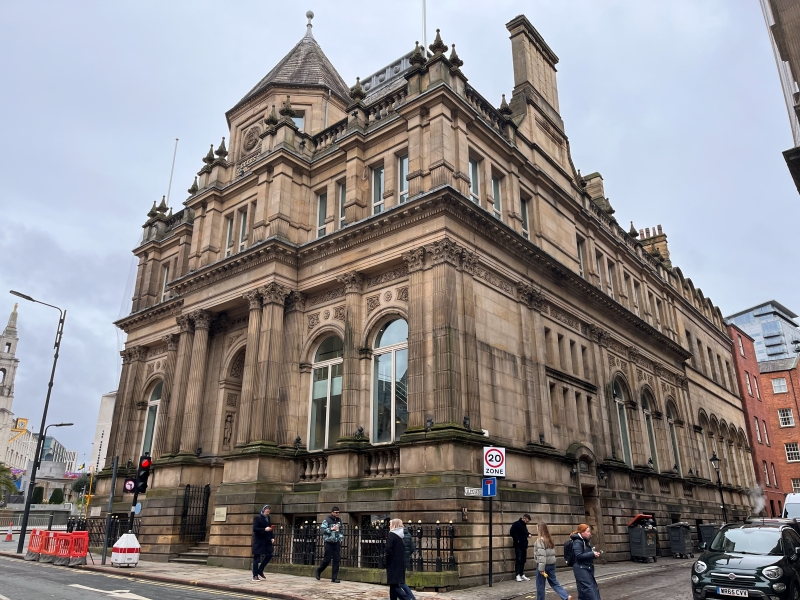
I thought this building was a great example of signalling what's important. This is the headquarters of Leeds School Board built in the late 1870s. Ratepayers (male and female I think) now had the chance elect the Board which used their resources to fund universal elementary education across the (then) town.
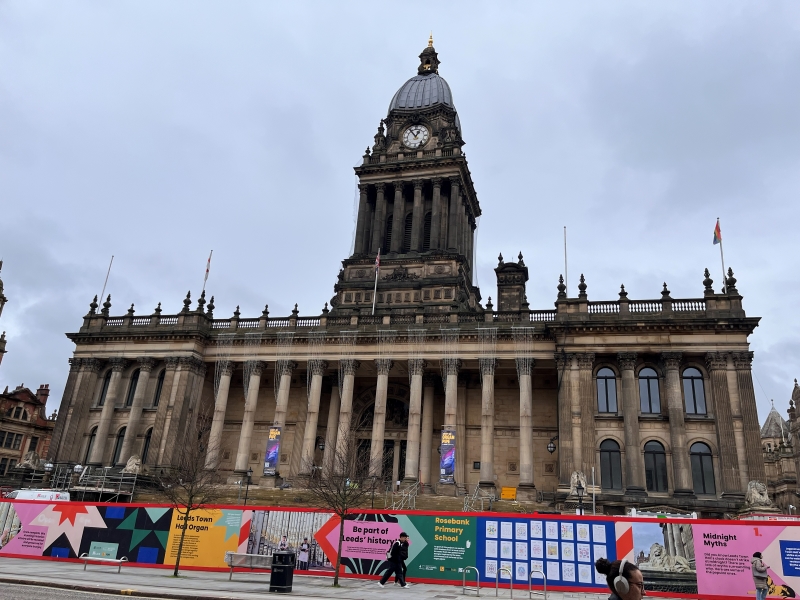
Leeds Town Hall is currently having a major £20 million refurbishment - so the interior is currently off-limits as the amazing organ and Victoria Hall get a complete overhaul, but I guess the exterior still captures that mid-century 'confidence'.
Temple Mill is also in the middle of a significant makeover - as it moves along with other nearby buildings from industrial to office and 'creative' space.
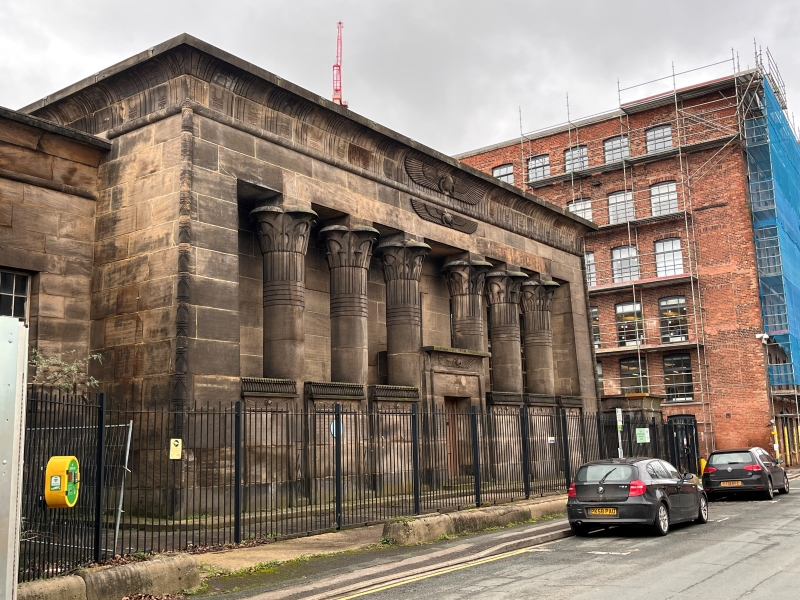
It is quite an astounding facade!
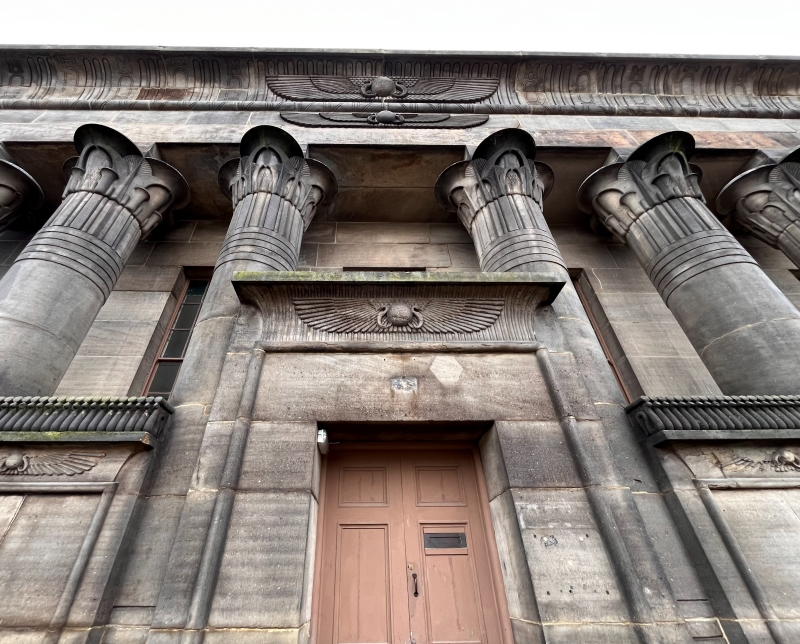
But it's far from the only 'working' building in Leeds that was essentially a canvas to proclaim the middle class had 'taste'.
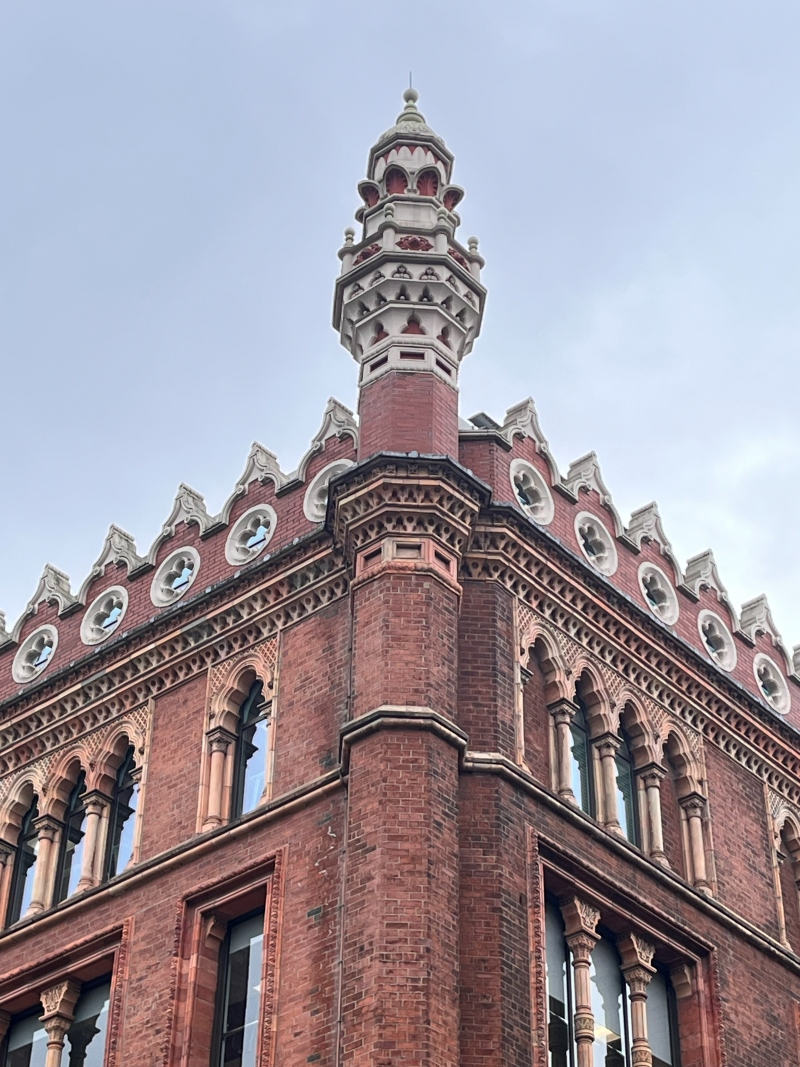
St Paul's House was a warehouse in 1878 - but was happy if you mistook it for the Alhambra! 😂
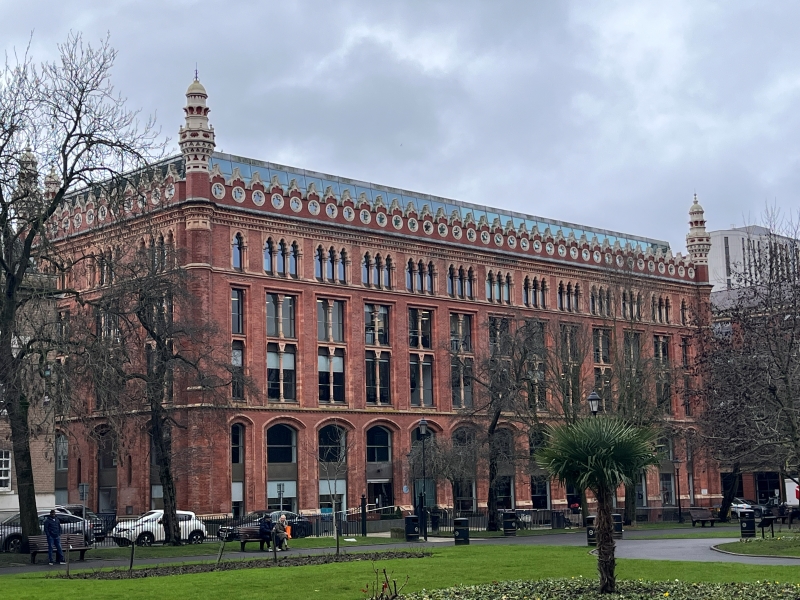
It was owned by Leeds Mayor and Liberal MP John Barran (later of course a Baronet!) and housed the ready-to-wear clothing factory that made his fortune.
This iteration of Leeds Corn Exchange was finished in 1863 (the architect Cuthbert Brodrick would later design the Town Hall).
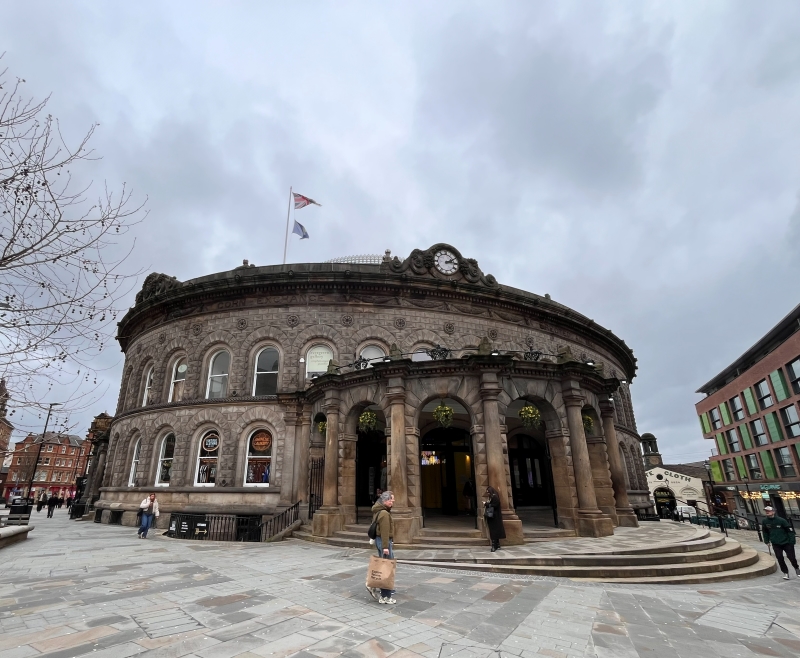
It has had ups and downs as the agricultural sector boomed and crashed - but now is more than happy to sell you 'middle class stuff' (in my case some artisanal chocolates for Valentine's Day 😃).
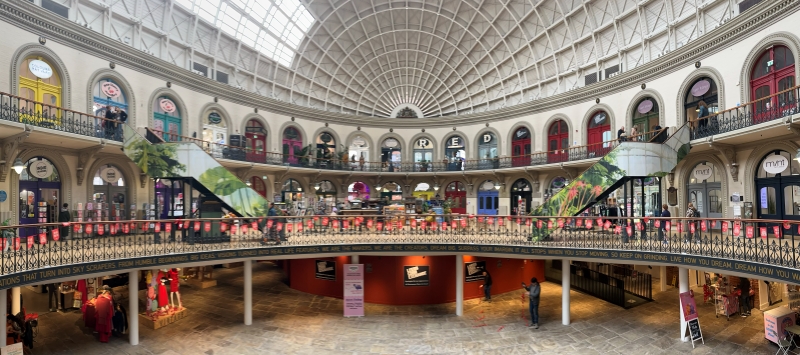
It was shopping all the way from now on - and Leeds has a fantastic range of Victorian spaces to sell things to all classes.
The current Market Hall dates back to 1904, but the first covered market on the site went up in 1857 - appropriately for A225 its design was inspired by Paxton's 'Crystal Palace'.
Perhaps the most significant legacy it holds for the modern high street is as the location for Michael Mark's first 'Penny Bazaar' ('Don't ask the price, it's a penny'). A Polish migrant fleeing anti-semitism he arrived in Leeds in the early 1880s with no resources, unable to speak English - he would partner with Yorkshireman Tom Spencer in 1894 .... ('ambition, anxiety, crisis, confidence, decline, renewal' sounds like a typical M&S news story 😂)
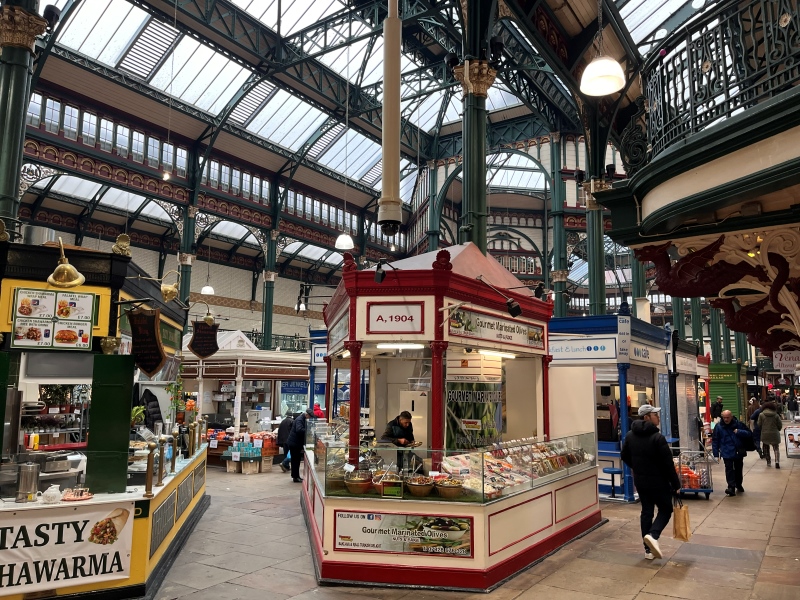
Finally a few more shopping 'Arcades'.
Thornton's Arcade was completed in 1878 - Charles Thornton was a major property developer in the town - for anyone of a 'certain age' he also owned the Varieties Music Hall in Leeds, home to the 'Good Old Days' which blessed or blighted British TV during my childhood with a bizarre nostalgia for our period (I've just discovered a few episodes lurk on the iPlayer). Whilst perhaps there's a hint of 'Moorish' in those arches - the main aim seems to be full-on 'Gothic-revival', the mechanical clock (which always seems to me to show rather too much thigh 🤣) is a tribute to Walter Scott's 'Ivanhoe'.
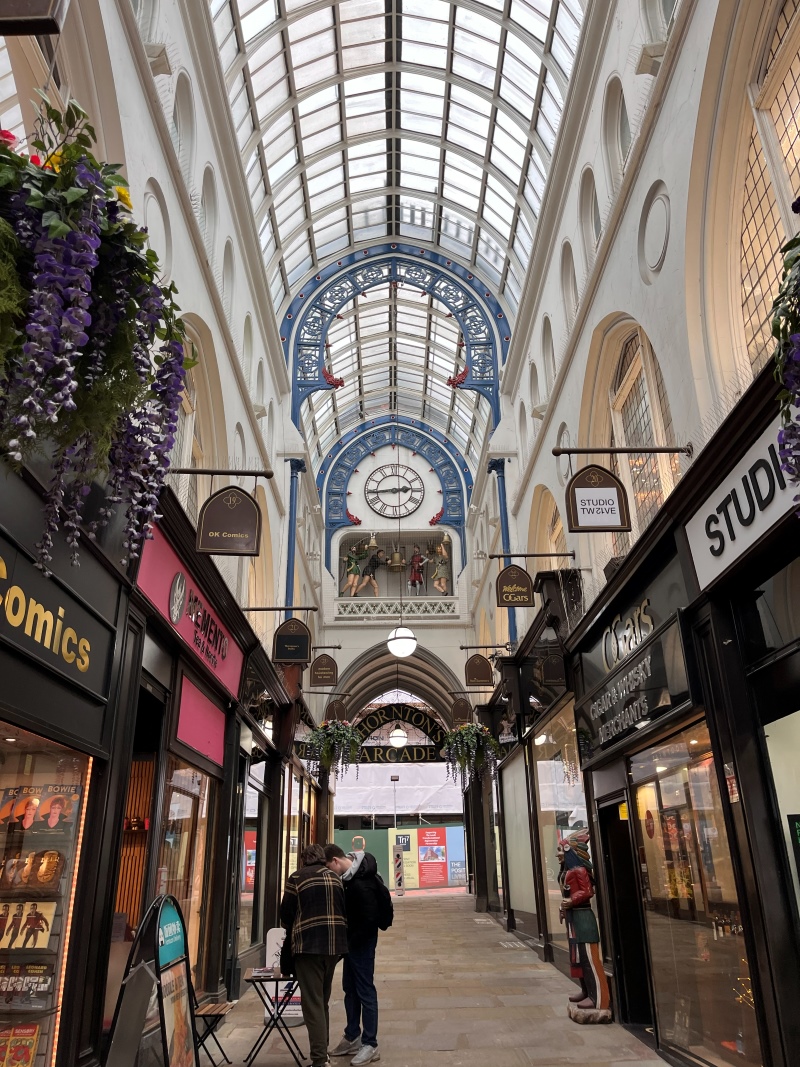
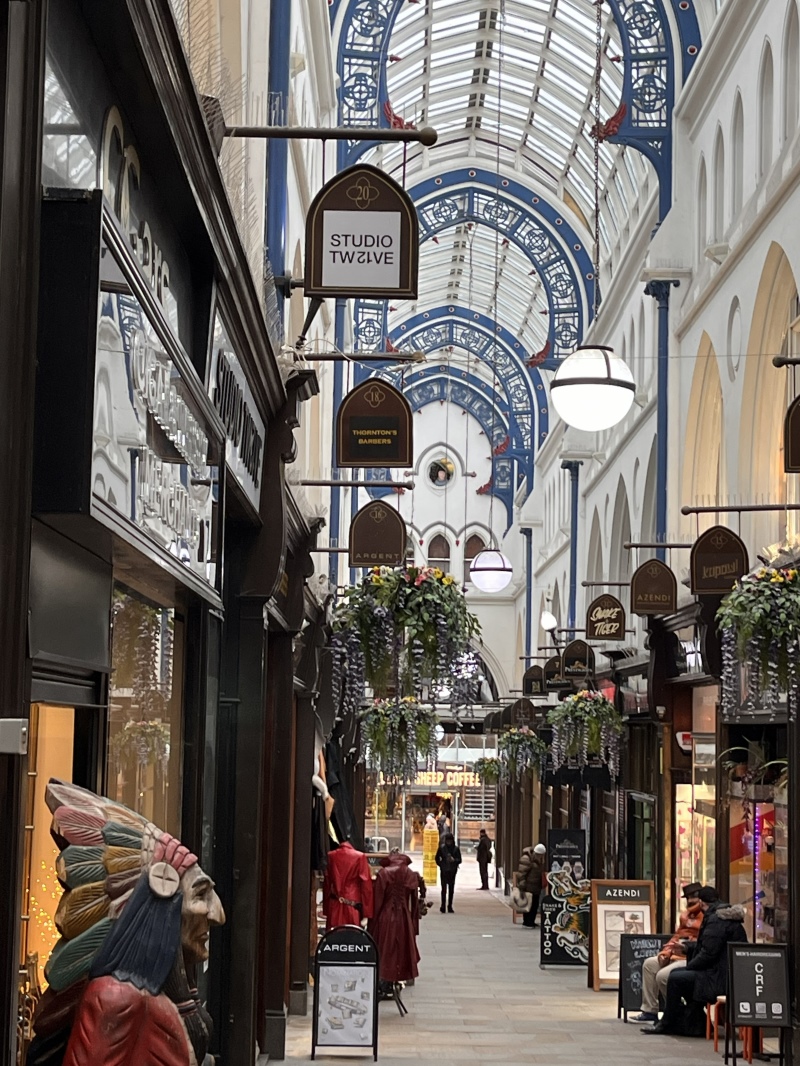
To end - the 'Cross' and 'County' Arcades - these went up over the turn of the century, finished in 1903.
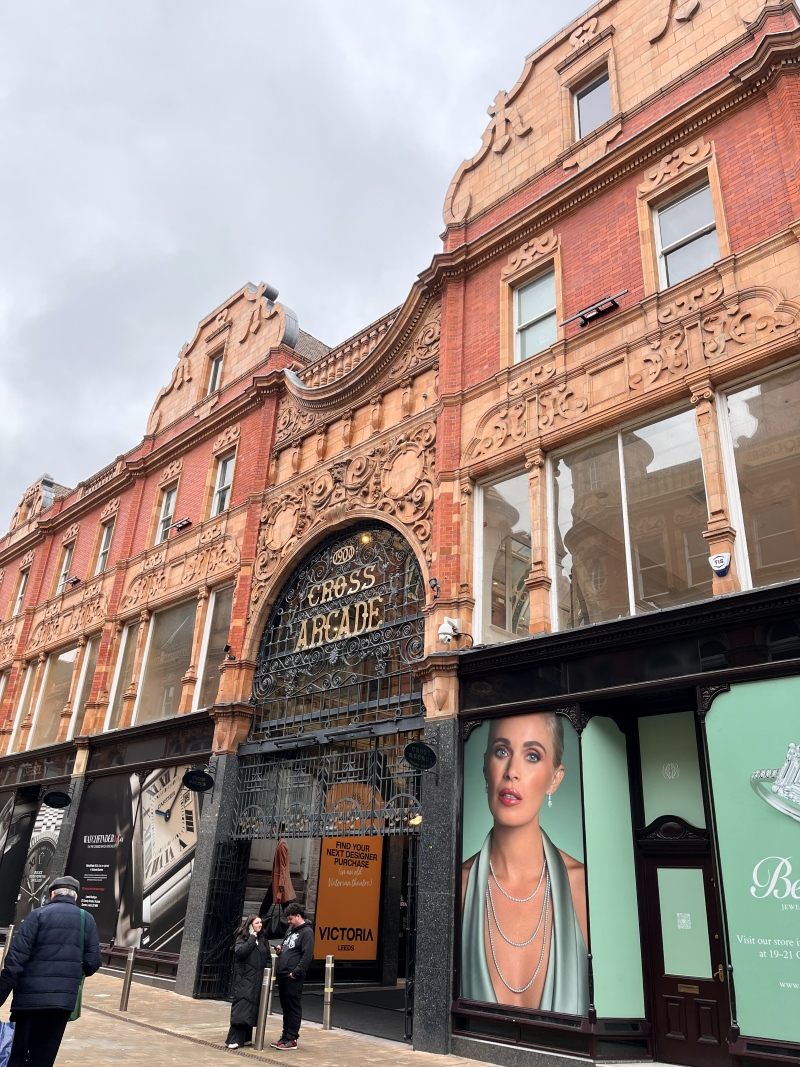
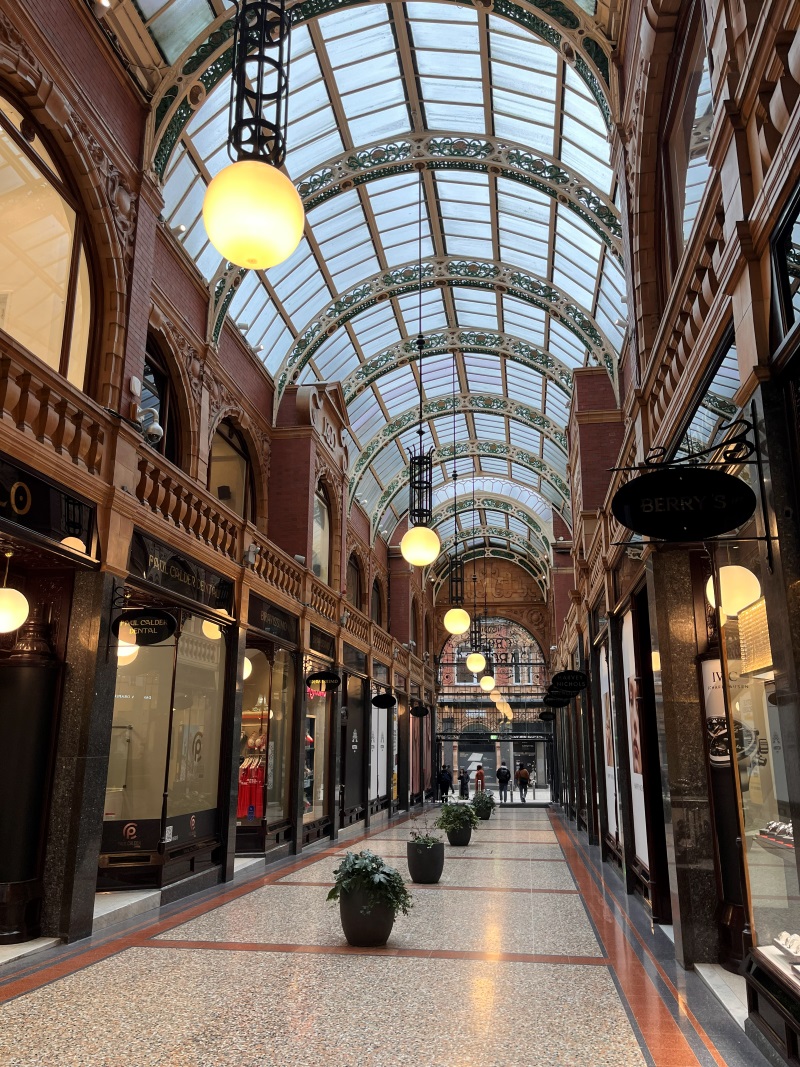
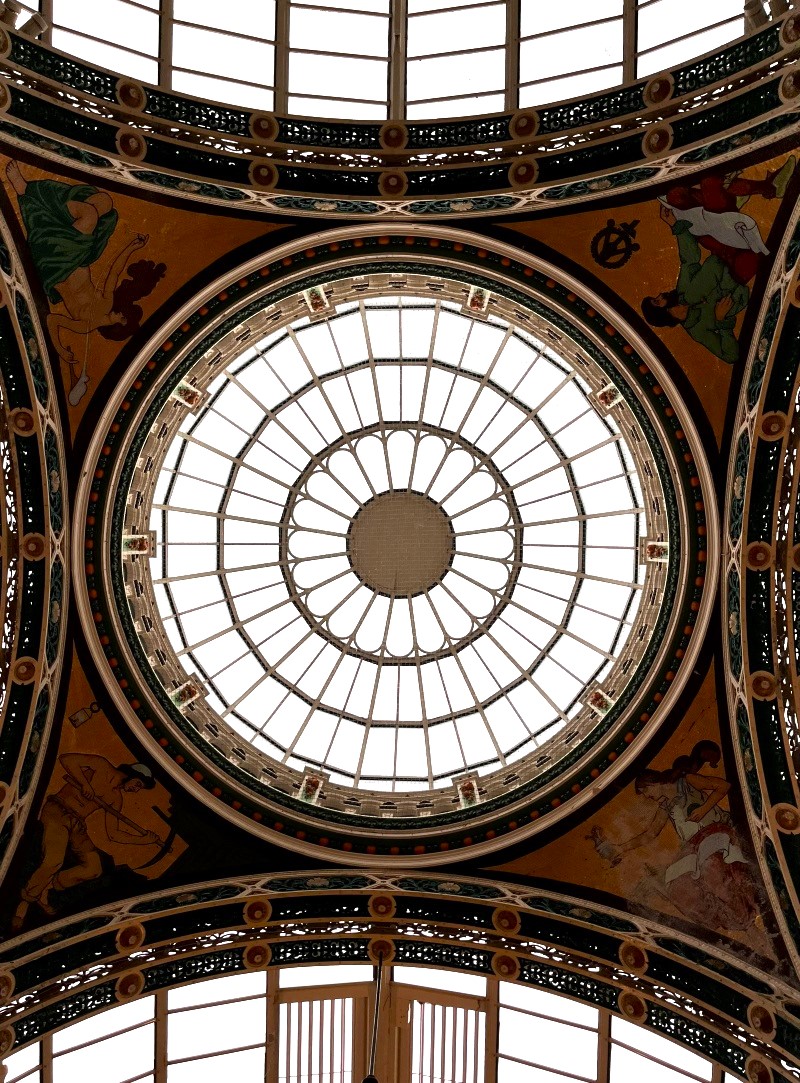
They are, and probably always were, way beyond my price range. 😂