OU blog

Personal Blogs

Steven Oliver

'Rational Recreation' in 'Shock City'...

Visible to anyone in the world
Edited by Steven Oliver, Sunday 8 February 2026 at 17:19

I'd been hoping to get over the pennines for an 'A225-visit' to Manchester and finally got the chance for a whistle-stop tour early in 2026. 

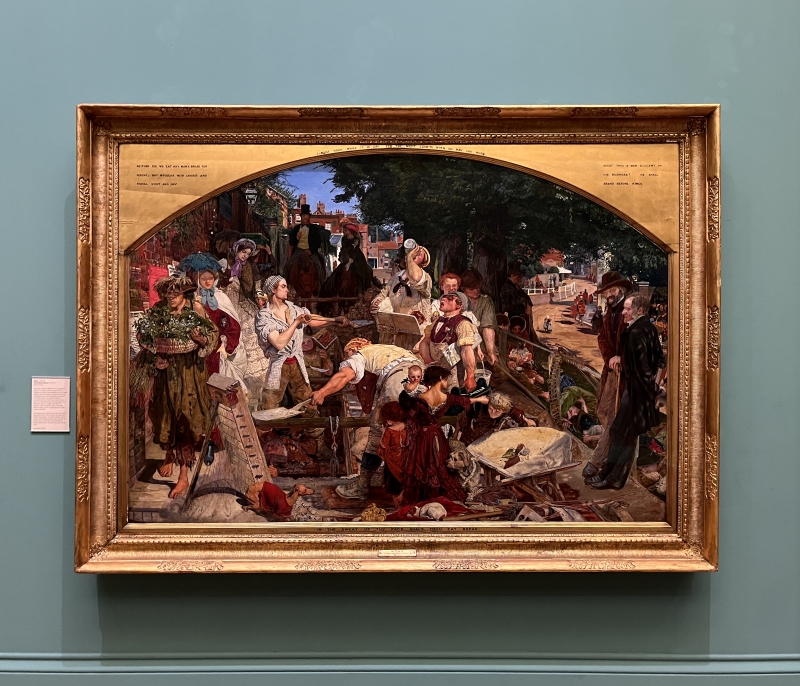
First location was Manchester Art Gallery which holds one of two copies of Ford Madox Brown's 'Work', which graces the cover of 'Confidence and Crisis'. I've loved this painting for years and I see a little more every time. There are some good resources about it on the Manchester Gallery website.

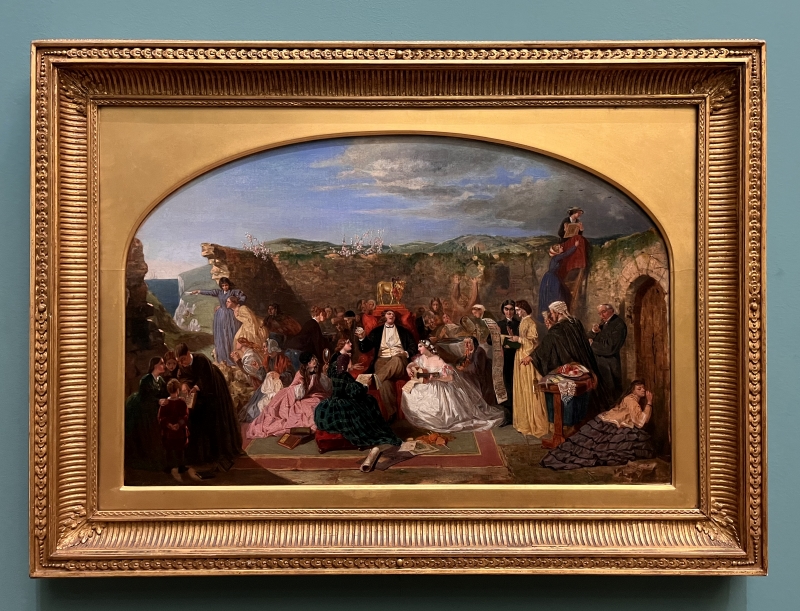
What was really exciting this time though was to see a relatively recently acquired companion piece - 'Woman's Work - a medley' by Florence Claxton. Whilst Florence may not have known about Ford's painting they sit fantastically together. Claxton satirises the restricted working opportunities for women in a whole variety of ways (in Ford Madox Brown's painting women are at most able to give out some temperance leaflets or get hauled away by the police for selling fruit.)

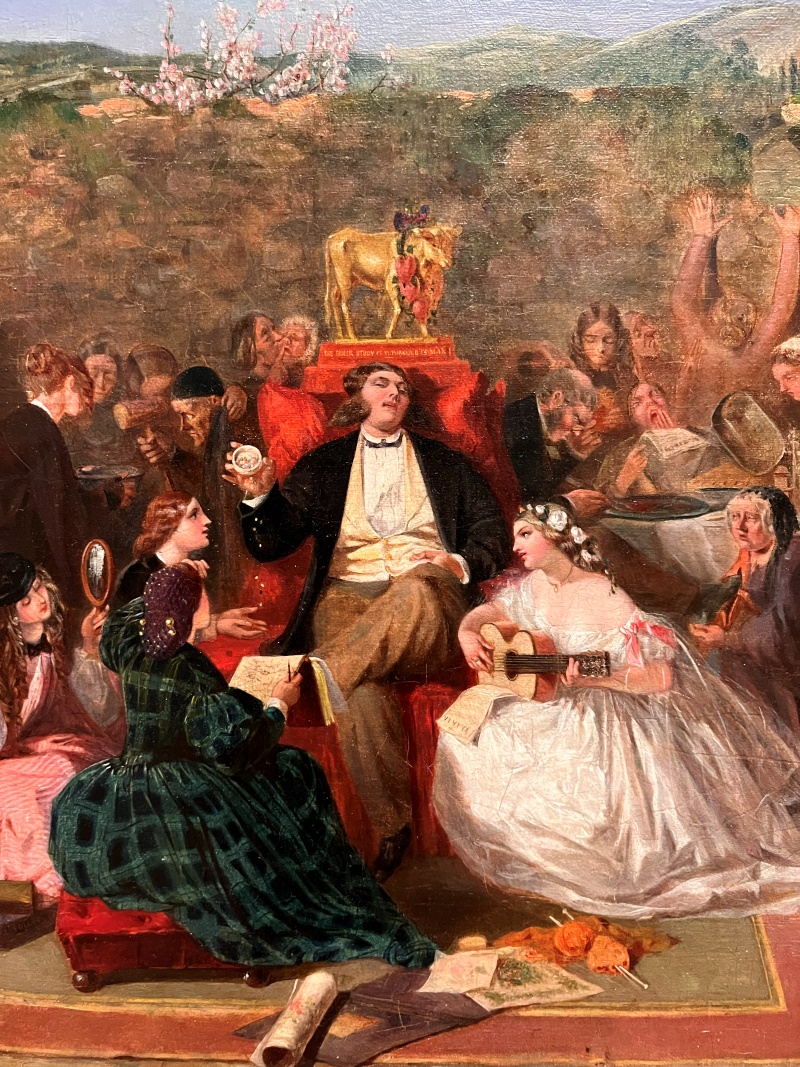
The detail in Florence Claxton's painting is again fascinating - above the male 'false idol' reclining on his throne you can read 'The proper study of womankind is ...man' 😂

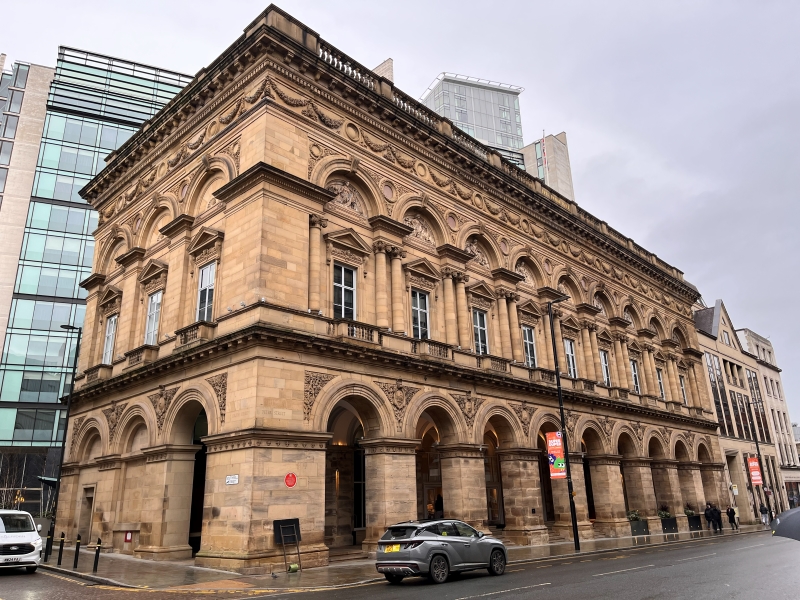
Next stop, Manchester Free Trade Hall. (If anyone wants a flashback to A113 and the sixties - it will be sixty years ago exactly in May since the famous cry of 'Judas' rang out there as the crowd reacted to Bob Dylan's abandonment of acoustic performance!) This was built in the mid-1850s to commemorate the repeal of the Corn Laws in 1846.

Land for the building was given by cotton manufacturer Richard Cobden, who was elected an MP with the support of the Anti-Corn Law League.

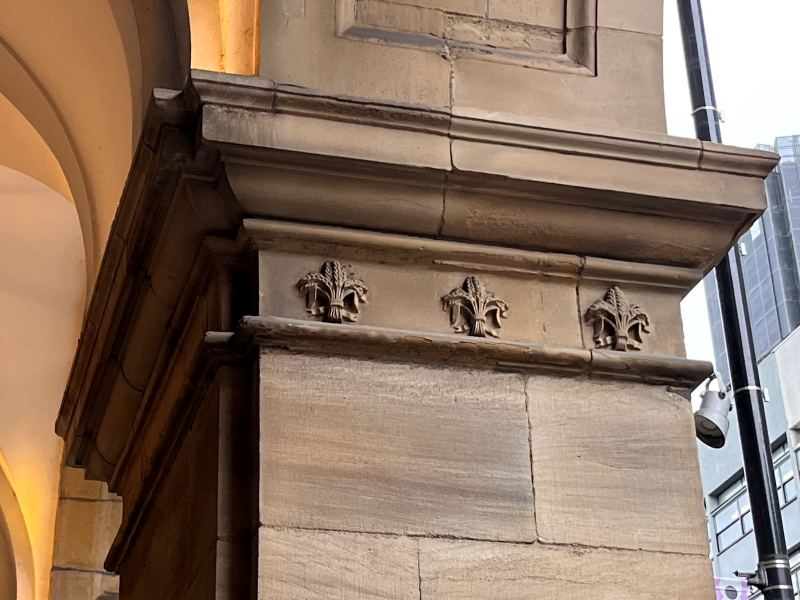
There's iconography across the building celebrating the advantages of 'free trade' and you can see the Anti-Corn Law League symbol of wheat sheafs in the detail below.

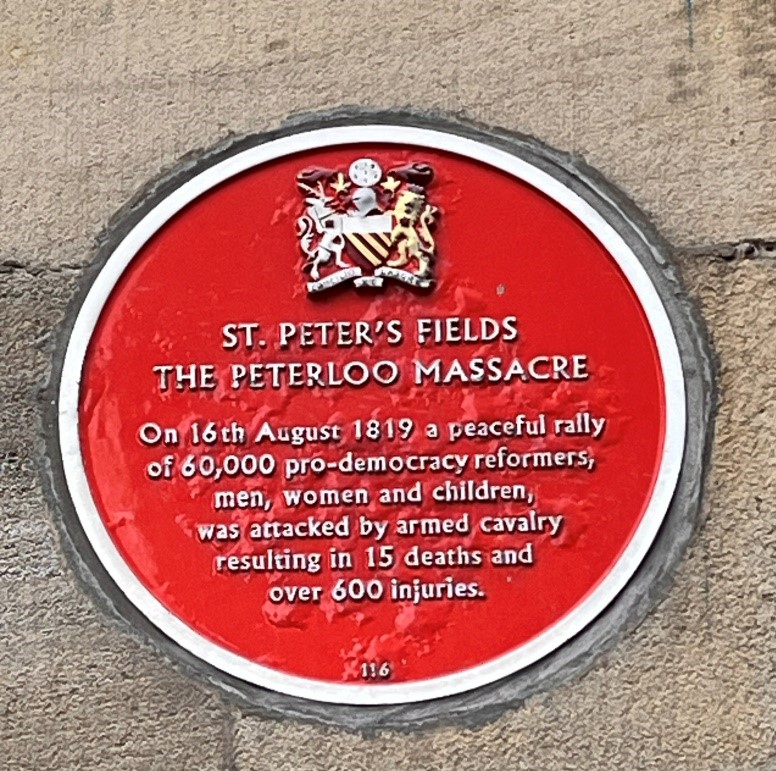
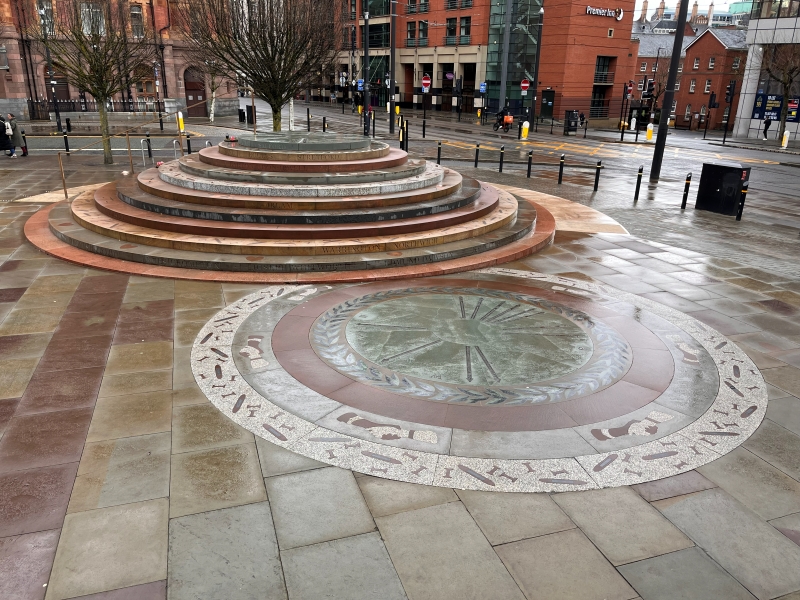
The building stands on what was once St Peter's Field, the location of 'Peterloo' - there is a commemorative plaque to mark this and just around the corner, in front of the Convention centre, is a specific memorial that was completed in 2019 for the two hundredth anniversary...

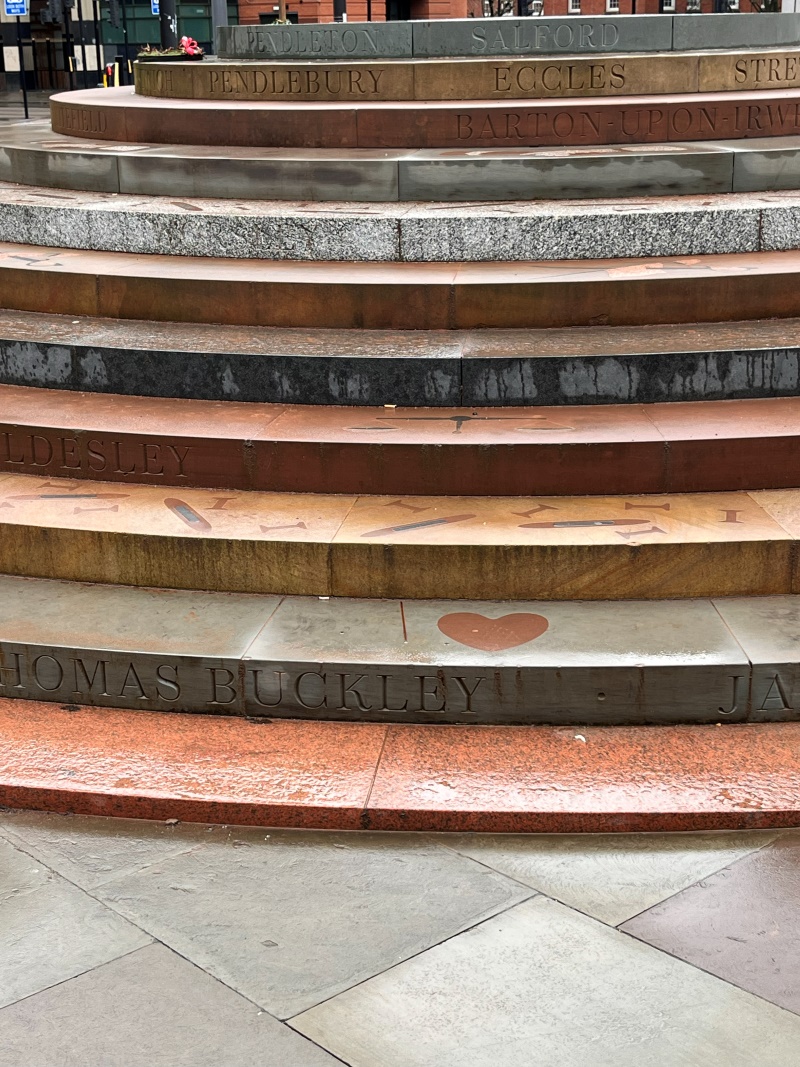
The symbolism on the Peterloo Memorial is again rich, detailed and political. There are images of tools and weaving paraphernalia, linked hands and a compass indicating the direction and distance of other public protests that were met with state violence: Blood Sunday in Northern Ireland, Tiananmen Square, Jallianwala Bagh/Amritsar... The steps commemorate individuals who died at Peterloo and the communities that participated. 

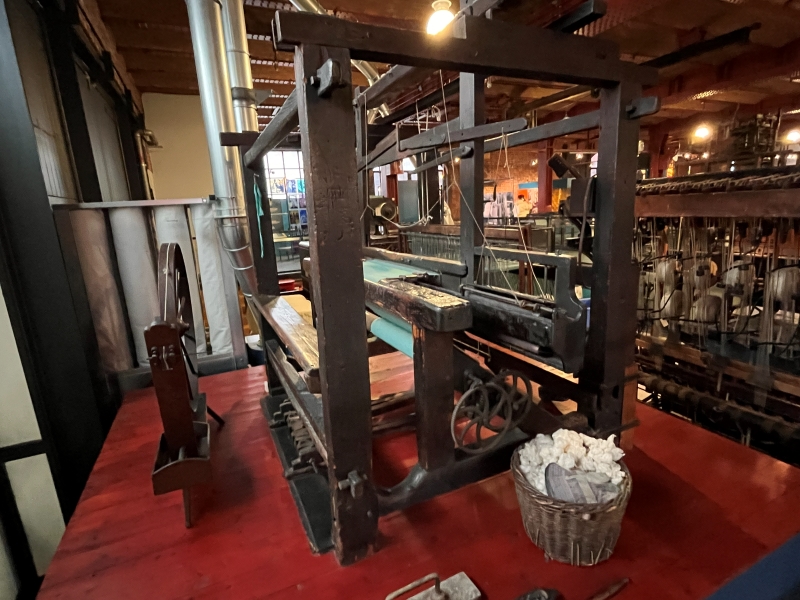
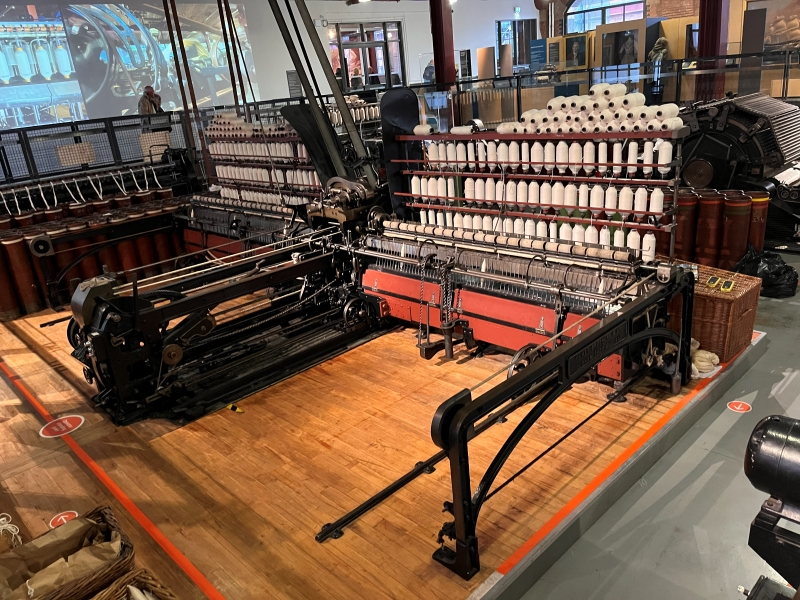
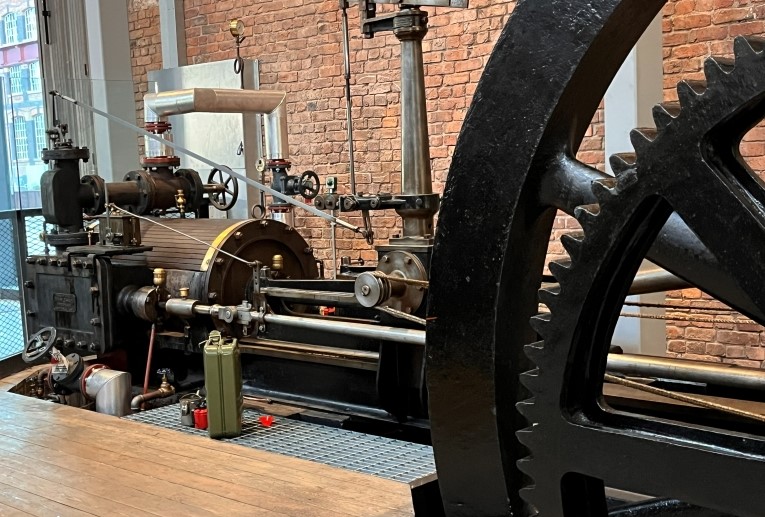
By lunch I'd made it to the Science and Industry Museum - the machinery was surrounded by screaming children, but now on trips from schools that equivalent 19th century Mancunian youth couldn't have imagined, and the screams were (as far as I could tell) of laughter... 

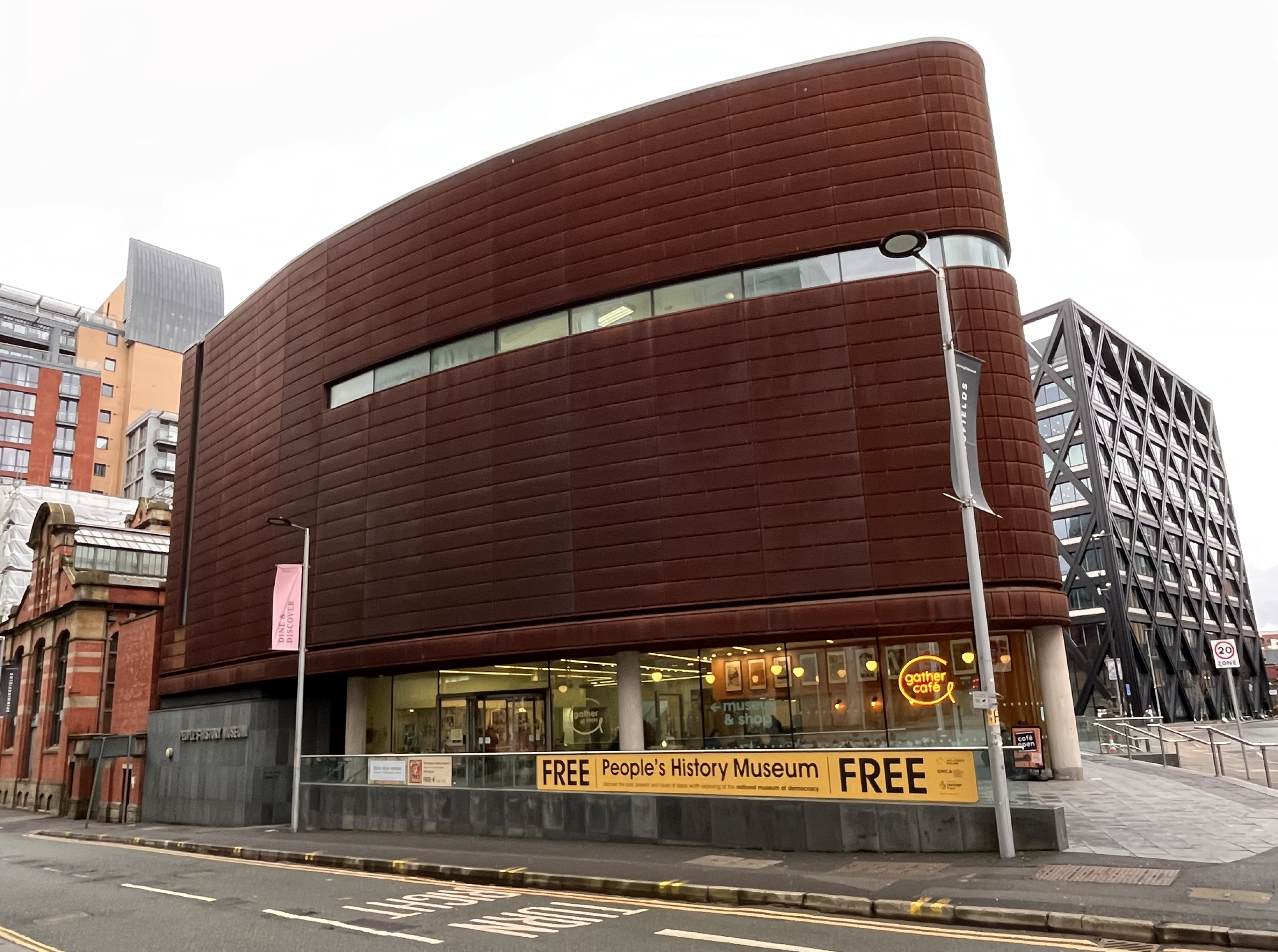
Next on my itinerary was the People's History Museum, which is an A225 'must-see' if you're in Manchester. 

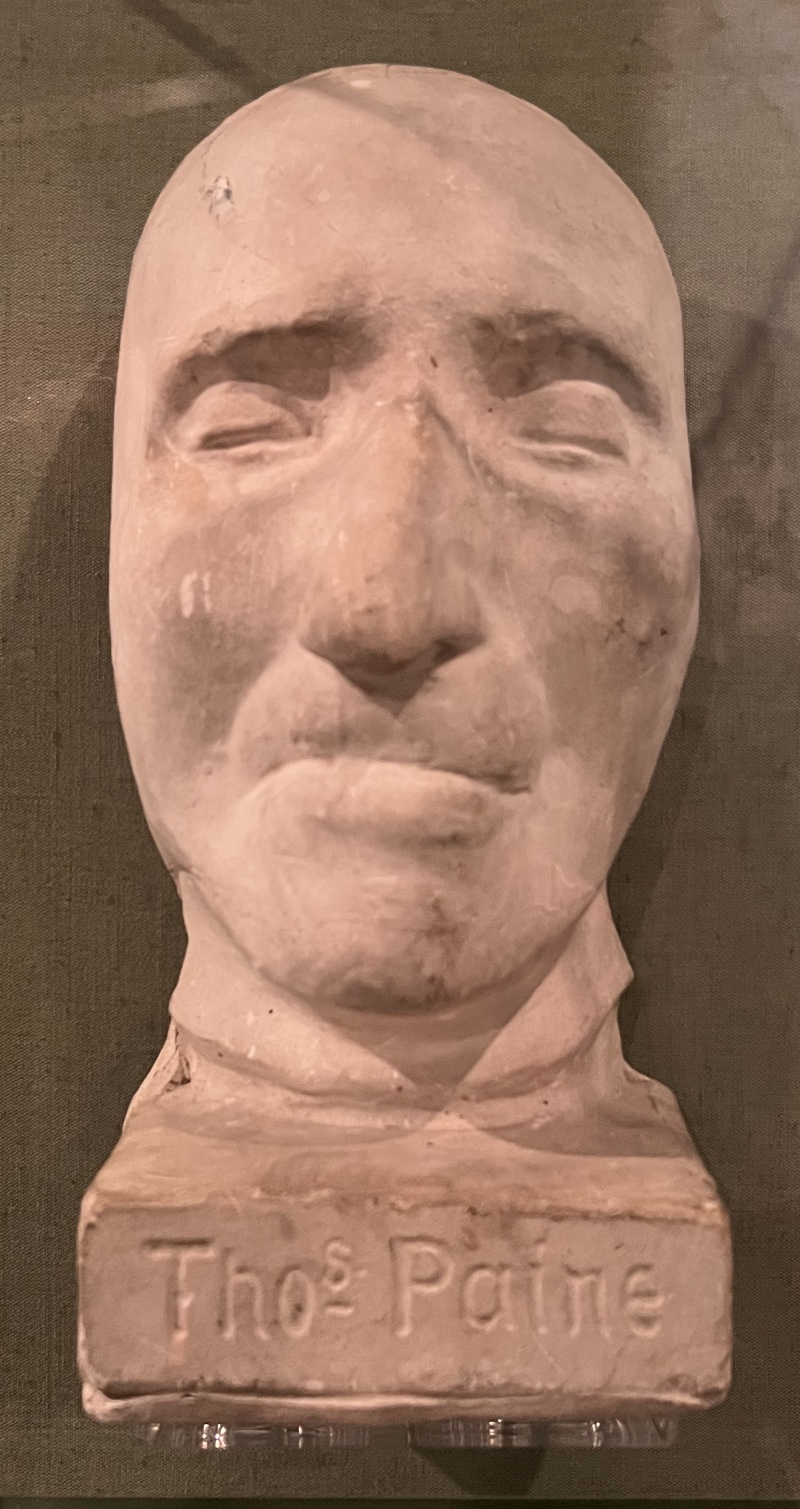
There's just so much packed into a couple of galleries - and thanks to the OU and A225 - I found so much of it had interest and meaning. The following are just a few snaps of the material that was there.

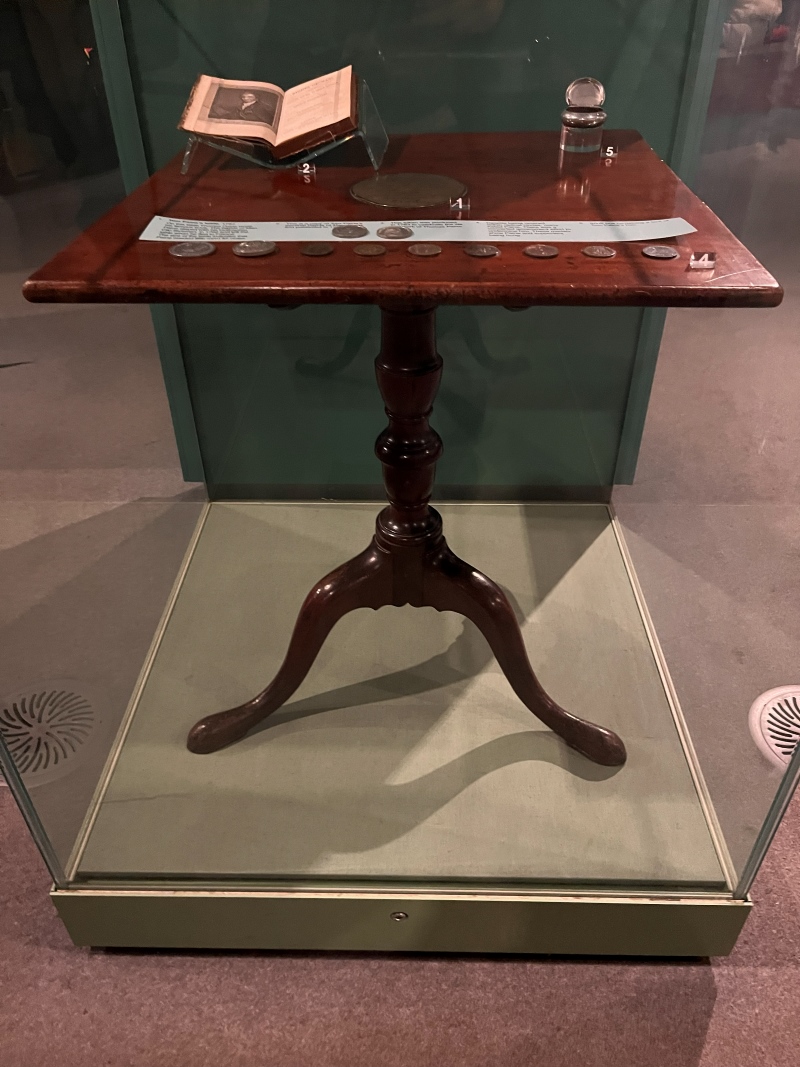
Tom Paine's death mask and the table on which he wrote 'Rights of Man'...

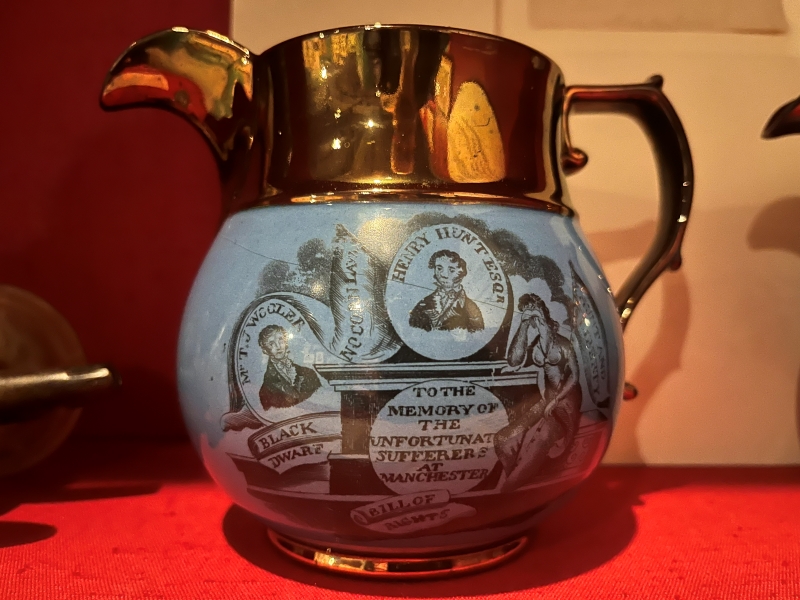
Ceramic commemoration of Peterloo, with reference to the radical journal 'Black Dwarf' and 'Orator Hunt'...

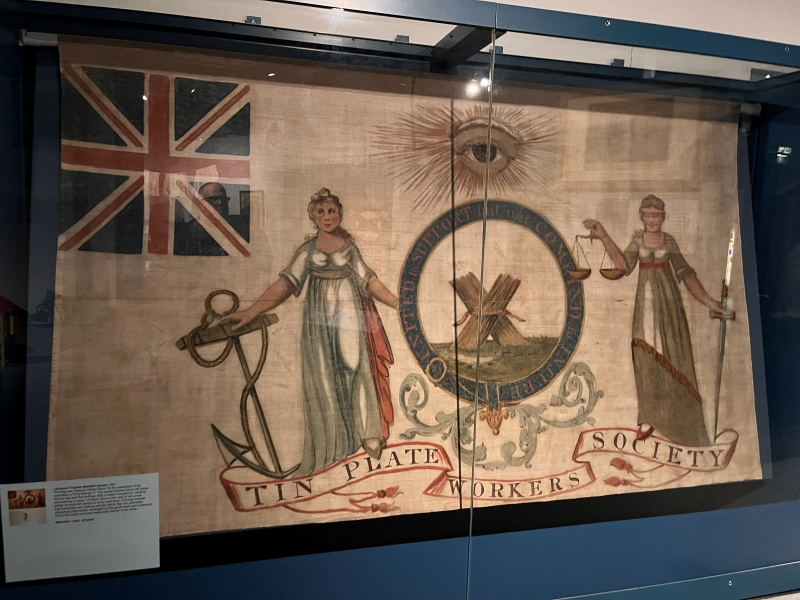
Tin Plate Workers Society banner, from 1821. The museum has a fantastic array of flags and banners from groups and protests across the last two hundred years. This is their oldest union banner - I found it interesting to think what message they wanted to give by prominently including the Union Flag, perhaps that their aims were aligned with the 'true' national interest?

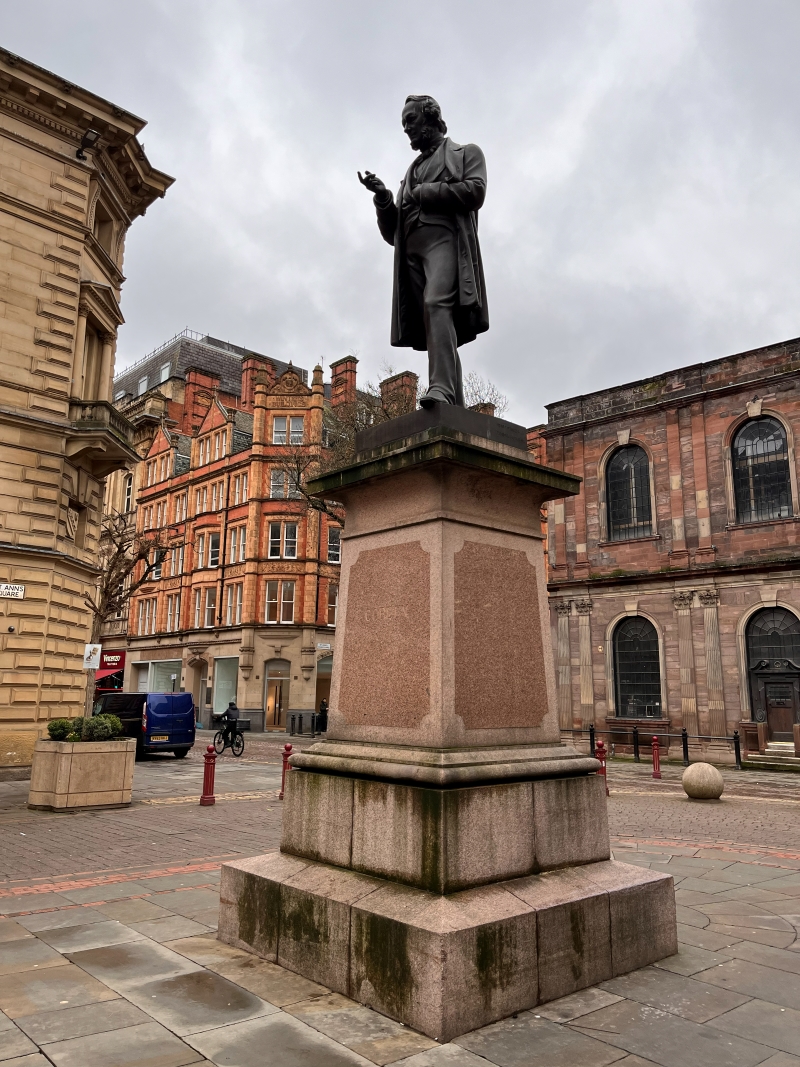
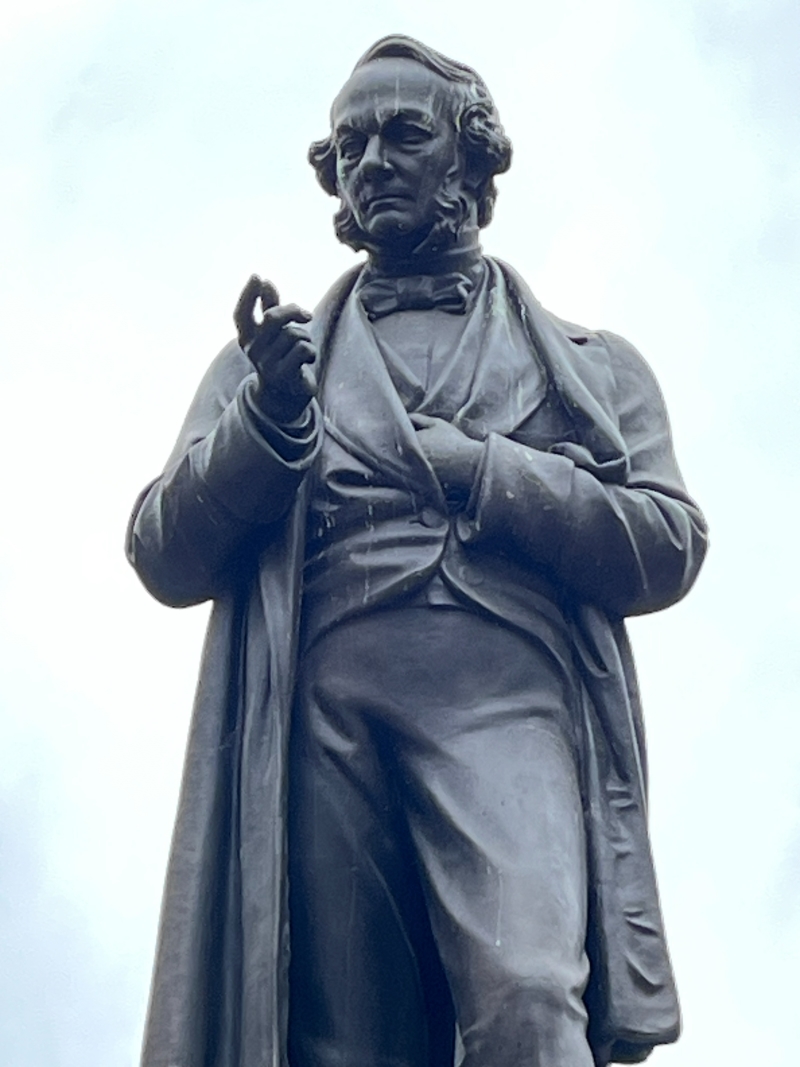
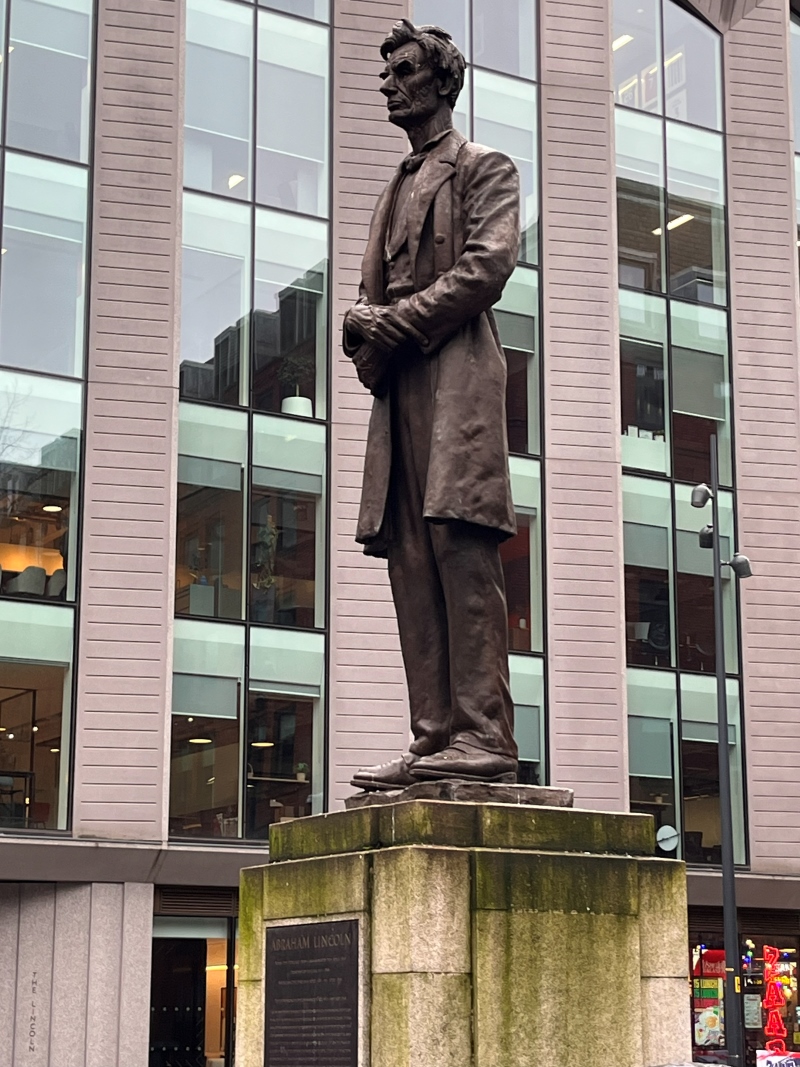
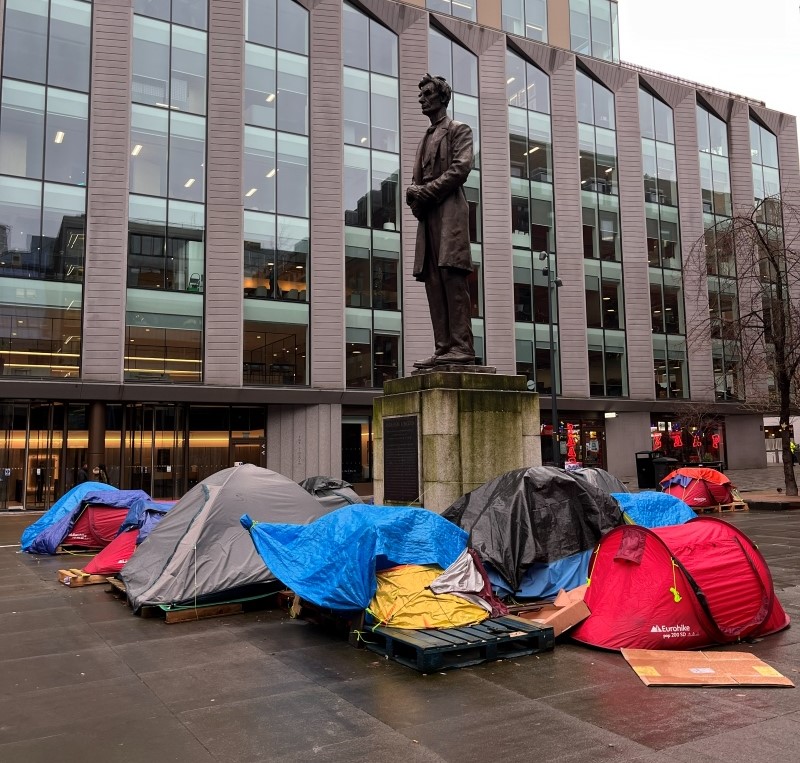
Outside again for perhaps a surprising figure - 'Honest Abe' stands tall in Lincoln Square. Originally destined for Parliament Square this statue ended up in Manchester when an alternative version was prefered for the London site. Local Manchester authorities argued that it should celebrate the response (welcomed by Lincoln at the time) of Lancashire textile workers to the 'Cotton Famine' in the 1860s.

We may study the past, but we live in the present.

Lincoln Square is the location for a 'camp' of homeless people, apparently 'migrants' who have been moved around a number of public spaces in Manchester in recent years.

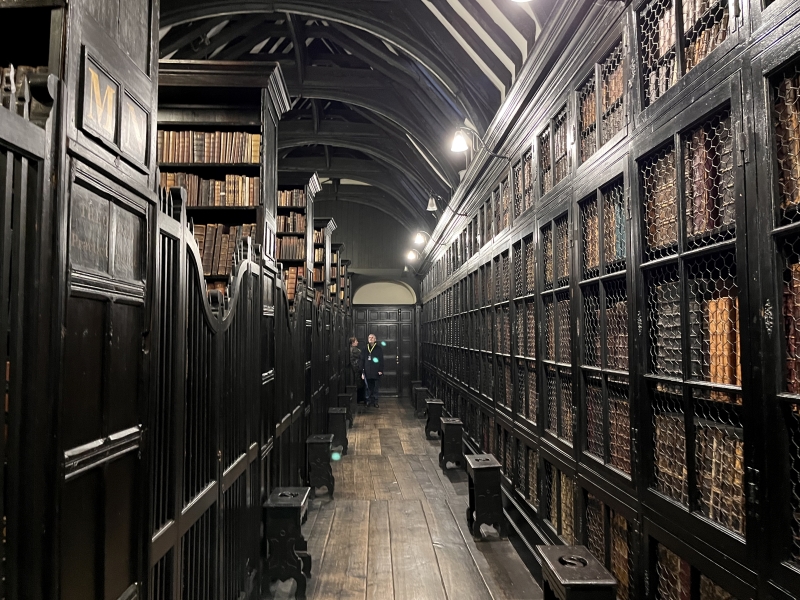
My final stopping place was Chethams Library (it's Cheethams - I of course guessed it wrong first time 😂)  Originally a religious house, it was acquired by a very wealthy Manchester merchant, Humphrey Chetham, in the 17th century - whose will established a school and library in 1653.

This was a lovely place to think back on A223 and the growth and influence of the printed word across society. 

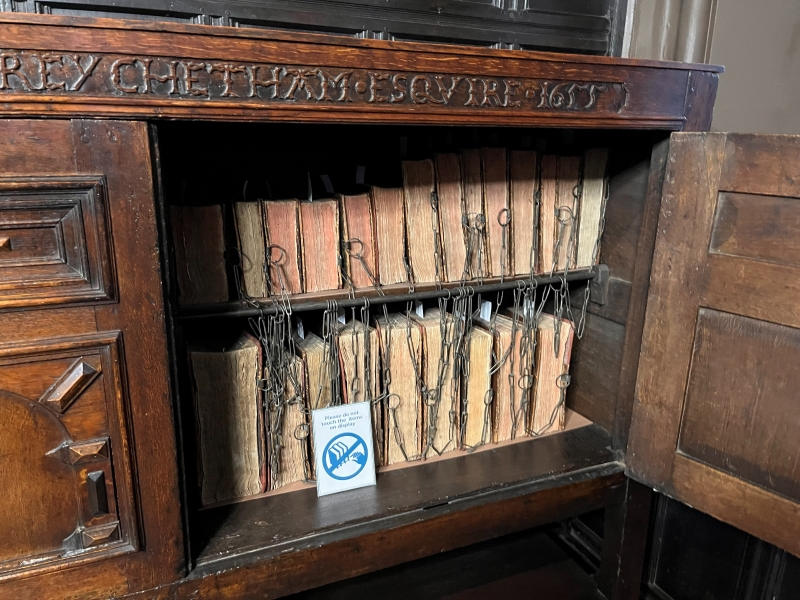
Humphrey Chetham also funded a number of chained libraries for local parish churches - stocked with Godly reading for local congregations (interesting to think who could have actually accessed these).

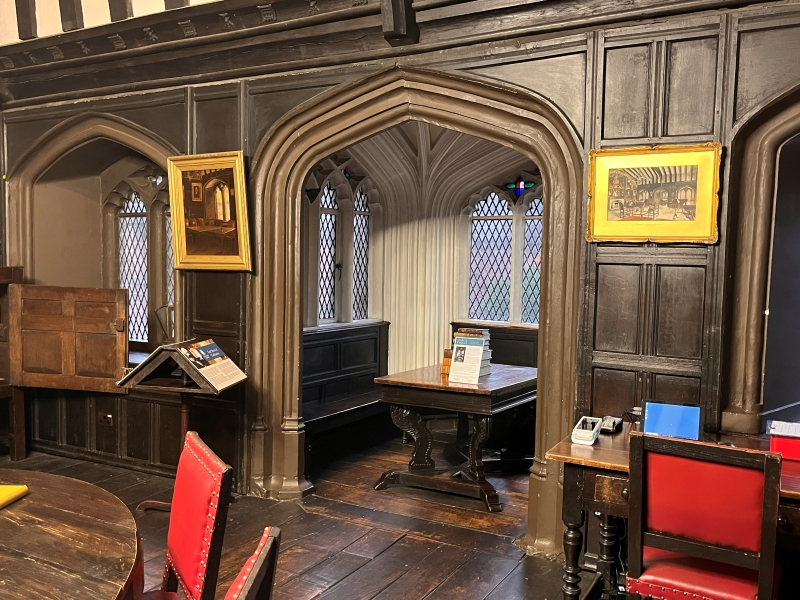
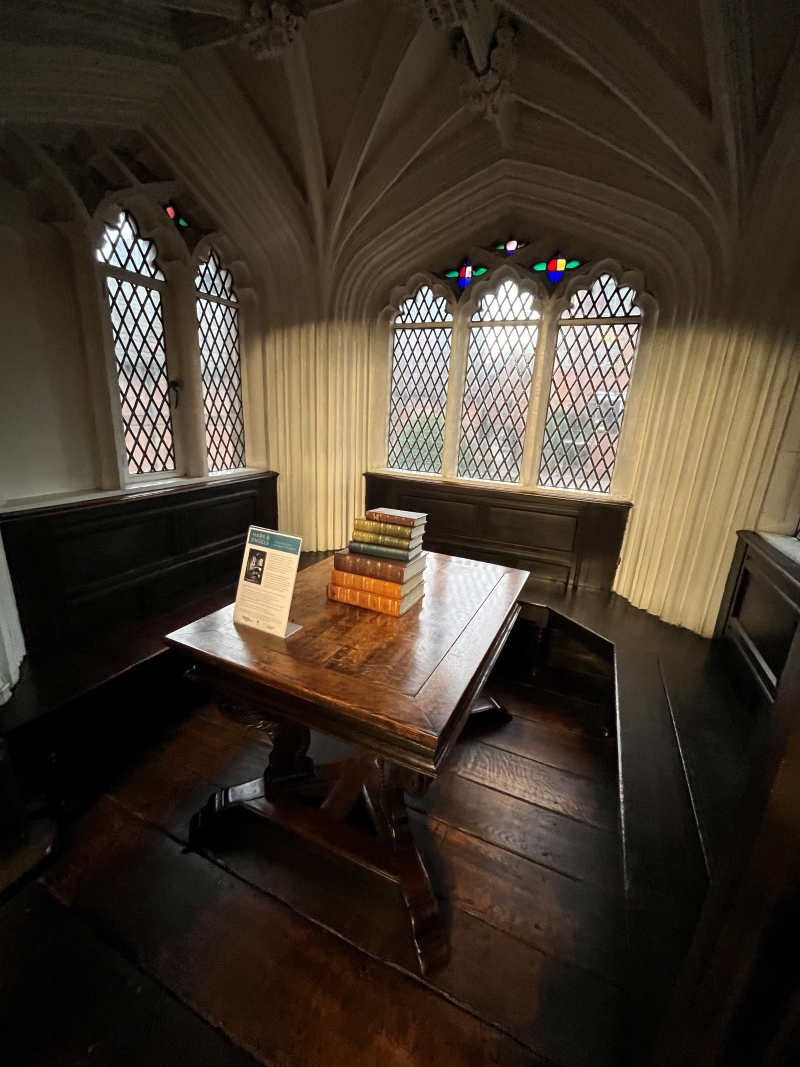
But it wasn't all A223 - there's one fabulous link to A225 in this little alcove...

In 1845 this was the regular meeting and study space for .... Karl Marx and Friedrich Engels. 

Outside the 'Hungry Forties' were biting hard in Manchester, here they would chiefly read economics texts from the library and discuss ideas that became the basis for the Communist Manifesto written a couple of years later. 

Have to say it was an exhausting day - but great fun. Of course Manchester was also a key site in the Women's Suffrage movement, so perhaps I might try and get back for a visit to the Pankhurst Museum watch this space! 😀

Permalink
Share post
Steven Oliver

Early Modern Verona

Visible to anyone in the world
Edited by Steven Oliver, Sunday 8 February 2026 at 17:01

Verona was a lovely destination for the first (non-Alpine) half of our holiday this year - with plenty to see (between aperitifs 😂).

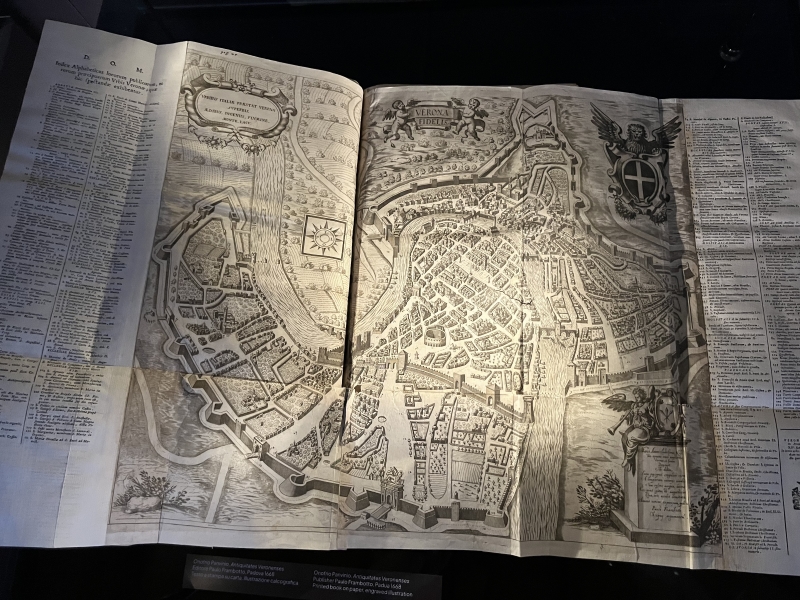
The map below shows the city in 1668, with walls (still standing) adapted to defend against artillery. This book was displayed in the Cathedral 'Chapter Library' - which claims to be the oldest library still in existence. 

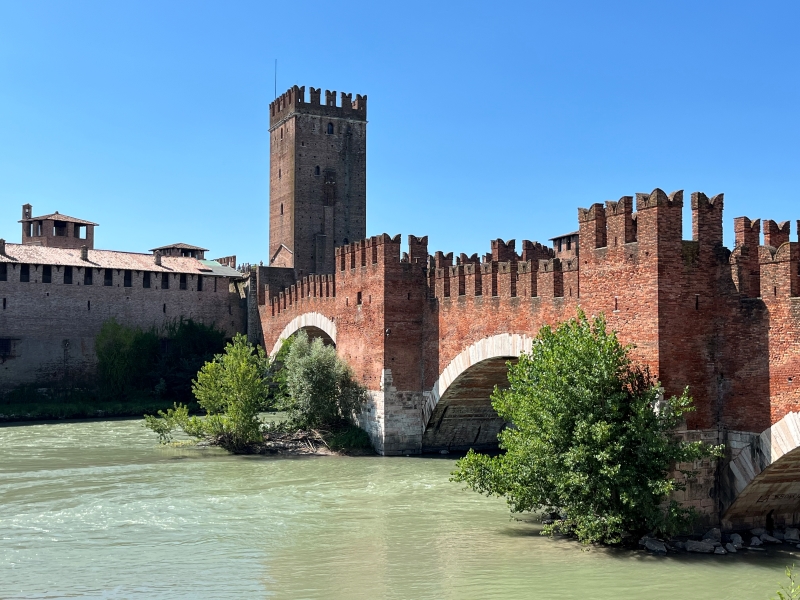
The map shows the Castelvecchio, built in the 14th century and now an art gallery. The beautiful bridge had to be reconstructed in the post-war period as all the river crossings in the city were destroyed by retreating German forces in WWII (the castle was also largely gutted by Allied bombing) - conflict shapes so much of contemporary Europe.

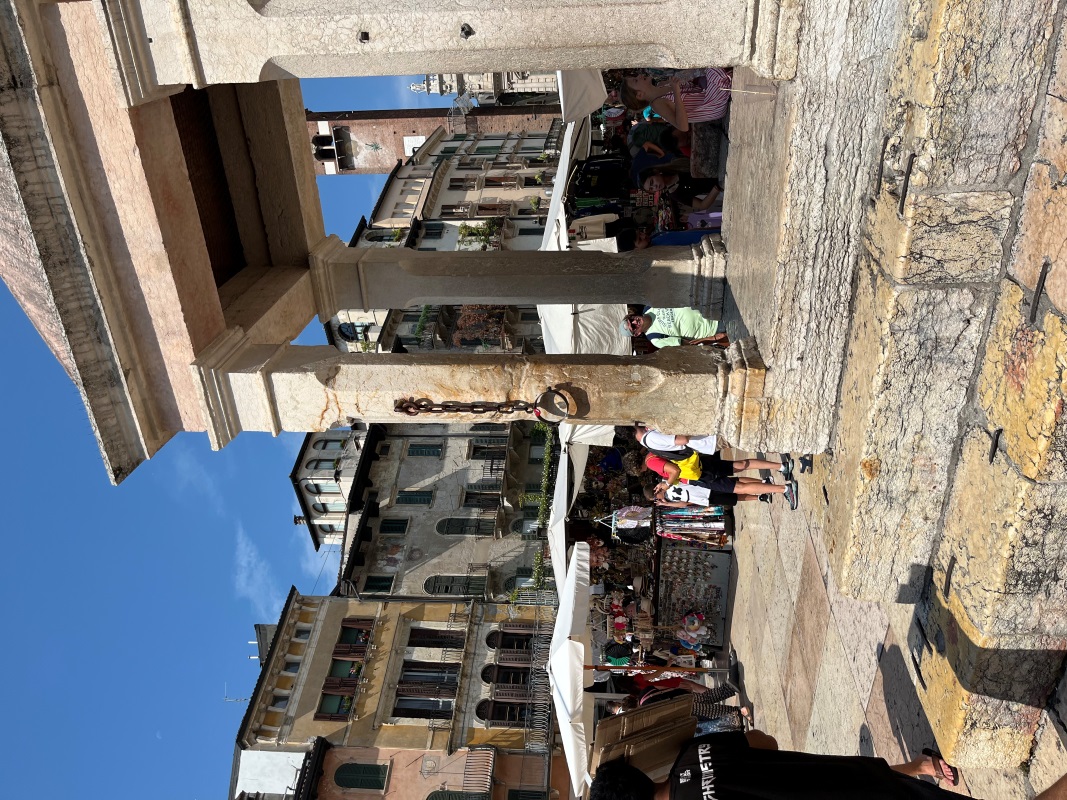
We spent many 'long lunches' in the Piazza delle Erbe in the centre of the city. It was the main market place and one of the buildings in the square, 'La Berlina', has a set of measurement standards for traders - a ring to check bundles of wood and incised measures in the stonework for tiles and bricks.

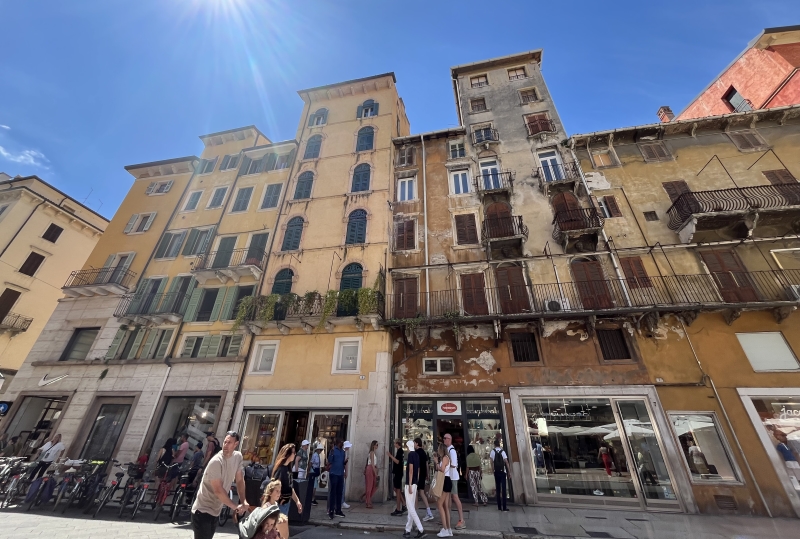
One additional 'A223 feature' in the square were the remaining buildings of the original Jewish Ghetto in Verona. As in Venice (and I presume other cities) the constraint on Jews to live in a prescribed area, with no room to expand horizontally, led to distinctive 'high rise' buildings - like the seven story towers you can see below. 

As a marker of more modern tensions the nearby synagogue was under the watchful eye of heavily armed private security guards. 

Permalink
Share post
Steven Oliver

Papà del Gnoco

Visible to anyone in the world
Edited by Steven Oliver, Thursday 11 September 2025 at 19:35

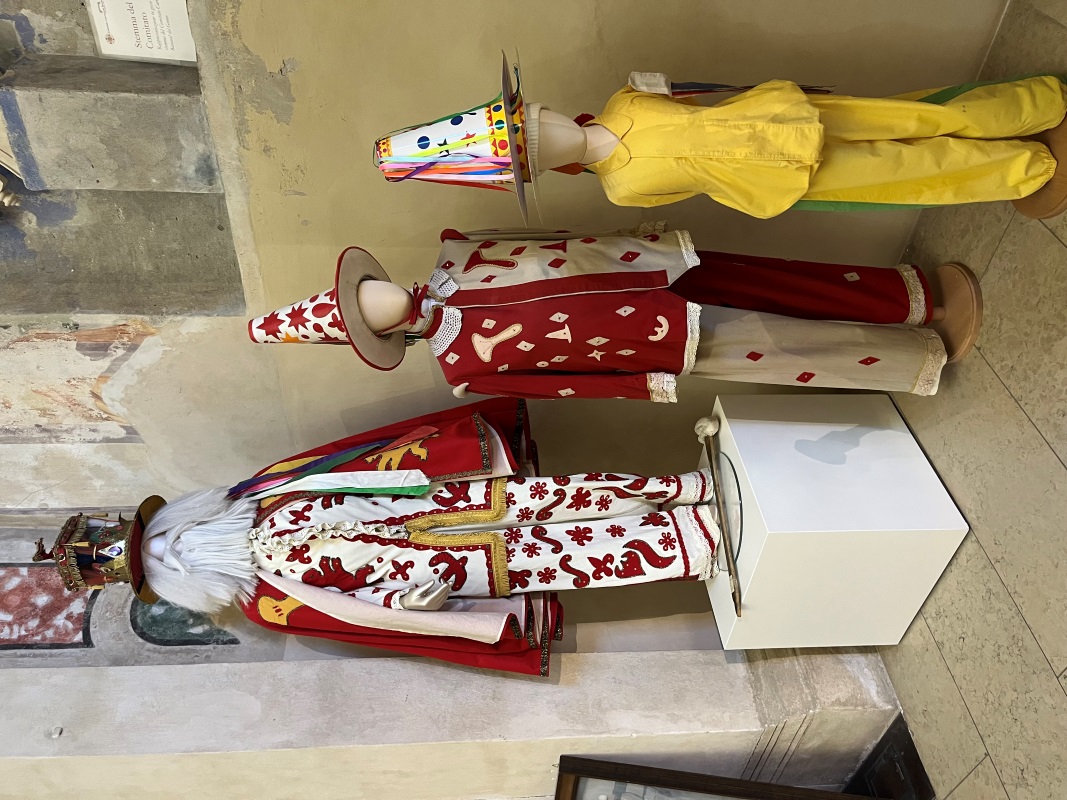
As Verona was a summer holiday destination this year there was no chance to experience the Carnival, which is staged in the week before Lent. However, near to our flat there was a small museum dedicated to the celebrations and the figure of 'Papà del Gnoco' (Father Gnocchi) in particular.

The common account of the origin of the Carnival dates it to 1531 and the response to famine and urban unrest. Following military conflict, poor harvests and natural disasters bread prices rose, triggering rioting - particularly in the suburb of San Zeno. Social stability was only restored through the charity of local worthies, in particular doctor Tommaso Da Vico, who helped feed the destitute community. The doctor is also supposed to have provided in his will for bread, wine, butter, flour and cheese to be distributed every year to the people of San Zeno. The Carnival must surely predate the early modern period though - and there are other accounts that relate its inception to the Venetian takeover - or the generosity of medieval warlord 'Big Dog' Cangrande della Scala.

The museum displays costumes worn in recent Carnivals, you can see Papà del Gnoco's outfit and his 'sceptre' - a gnocchi dumpling impaled on a fork. 

The father of the feast is elected each year from the community of San Zeno and during the festivities he rides a mule, handing out sweets to children and gnocchi to adults, assisted by his servants, the 'Court of Macaroni'.

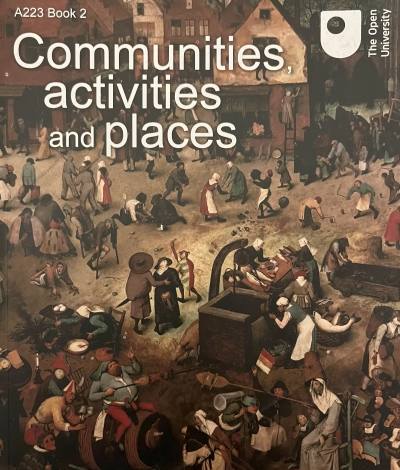
The description of the Carnival reminded me of the front cover of Book 2 in Module A223. Full of colour and life, but also with an underpinning of poverty and social disorder - a communal attempt to channel tricky urban energies into 'safer' routes. 


Permalink
Share post
Steven Oliver

Bill Richmond (A Man of Colour, and a Native of America)

Visible to anyone in the world
Edited by Steven Oliver, Sunday 8 February 2026 at 16:51

I wasn't sure that I would be able to find much in the way of a link between York and the A223 content on Early Modern Black Lives, but a Black History Month link from the University of York brought a fascinating one in the person of Bill Richmond, bare knuckle boxer! (To be fair Bill only just makes it into the OU definition of early modern, born in 1763 and doing most of his fighting in the early 19th century - but it was too good a story to pass over). There's not space for the full biography, but there is a good summary in the ODNB. Born into enslavement on Staten Island, Richmond was brought to the UK, as a free man, by Hugh Percy who would in due course become second Duke of Northumberland (he had been serving with the British army in North America during the War of Independence). Percy apparently set Richmond up with an education and an apprenticeship in joinery. It was the latter which brought him to Yorkshire, probably from around 1779. 

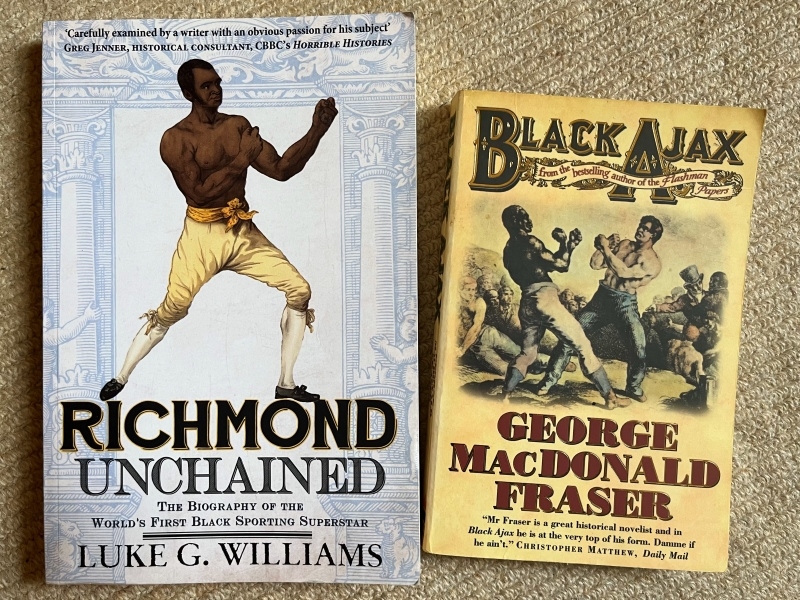
A couple of 'secondary sources' Luke Williams's biography of Richmond and George (Flashman) MacDonald Fraser's fictional account of Tom Molyneaux's life story


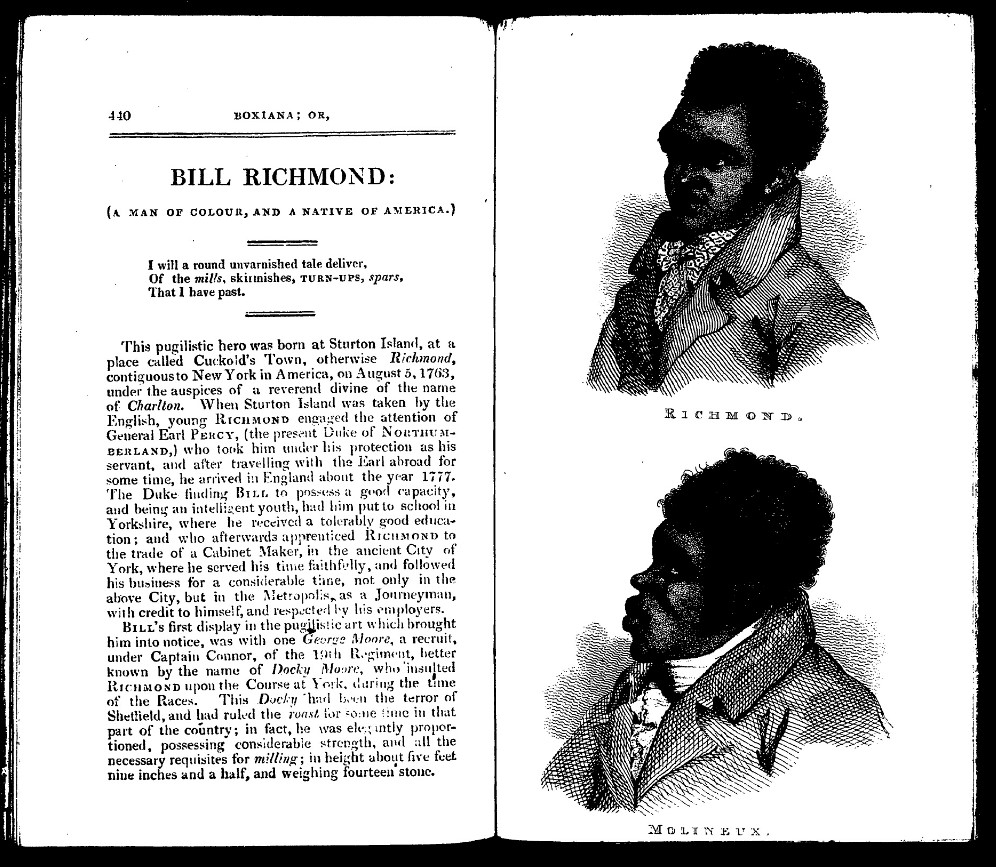
A lot of the descriptions of Bill Richmond's life come from later accounts by journalists, produced once he'd become a high profile boxer and also a trainer and fight promoter. They make great reading. The following section is from BOXIANA; or Sketches of Ancient and Modern Pugilism; From the days of the renowned Broughton and Slack to the HEROES of the present MILLING ERA! written by Pierce Egan. It describes one of Richmond's 'amateur' fights whilst in York (he moved to London with his wife by the mid 1790's), and also the provocation for it.


'RICHMOND, in passing through the streets of York, one evening, with a female under his protection, was accosted by one Frank Myers, with the epithets of “black devil,” &c. and who otherwise insulted the young woman for being in company with a man of colour. BILL, full of gallantry, and with a becoming spirit of indignation, requested him to desist for the present moment, but to meet him at the Groves on the next Monday morning, when they would settle this difference, (the circumstance happening on a Saturday night,) to which Myers agreed. The affair of honour being buzzed about on the Sunday, a great concourse of people assembled early the next day to witness the conflict; RICHMOND was there at the appointed hour, and after suffering considerable time to elapse, and Myers not making his appearance, the spectators became impatient, and it was judged expedient that RICHMOND and his friends should repair to house of Myers, to remind him of his engagement. This Myers kept a bagnio, with a woman of the name of Shepherd, at Uggleford, to which play they went and found Myers, who after some hesitation, agreed to go to the Groves, where he was followed by this shepherdess and her flock. The battle now commenced and raged with fury for some time, but upon Myers getting the worst of it, the above Covess and her damsels rushed into the ring to prevent their Bully from being annihilated, and took him away; but the spectators interfering, persuaded Myers to return and finish the battle like a man, who being ashamed of his conduct, agreed to it, when RICHMOND soon taught him very properly to acknowledge, that it was wrong, and beneath the character of an Englishman, to abuse any individual for that he could not help - either on account of his COUNTRY or his colour. Myers, very properly, received a complete milling.'

(There's more on Richmond in York in this blog post)


Richmond picked up professional boxing in his forties and had a successful career, he was also linked with an even more famous Black boxer - Tom Molyneaux, also a former slave, who was involved in what (I've now discovered) was a very famous couple of fights (1810-11) with the British champion of that time, Tom Cribb. Richmond trained and promoted Molyneaux, who came close to taking the title (in fact might have been effectively cheated of it in his first bout, through a 'long count' in the 28th round!). 

These were all such larger than life stories, described in fabulous melodramatic prose - they really added a different perspective to the OU chapter. Whilst people like Richmond and Molyneaux were subject to prejudice and abuse and were highly constrained by the social forces in play in the late 18thC /early 19thC there is also a lot of agency exhibited as they 'negotiated' there way through life. I'm glad I've encountered their stories - and will see what more I can find out about them.

Permalink 1 comment (latest comment by Steven Oliver, Sunday 16 November 2025 at 12:09)
Share post
Steven Oliver

'Healing Words' - exhibition at the Royal College of Physicians London

Visible to anyone in the world
Edited by Steven Oliver, Sunday 8 February 2026 at 16:52

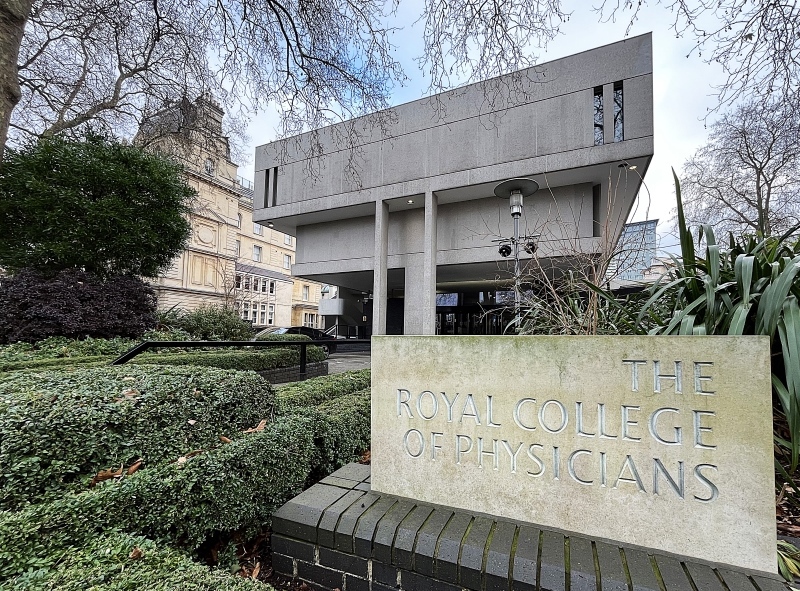
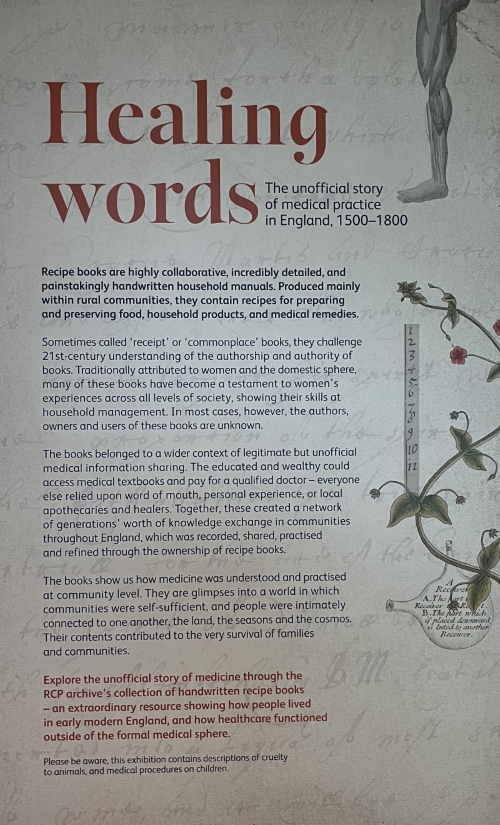
On a day trip to visit my daughter in London [17/1/2025] I had a chance to visit an exhibition at the Royal College of Physicians in London, just off Regent's Park. It's largely based around the college's collections of manuscript 'recipe books' - the types of documents that were mentioned in chapter 4 of A223 as a key source of medical advice within the home.

The exhibition has got an excellent website running alongside it:

https://history.rcp.ac.uk/exhibitions/healing-words

and all the recipe book manuscripts have been digitised and are available at the following link

https://archive.org/details/rcplondonmanuscripts

Trying to take photos of documents displayed in reflective, shiny cases is a bit of a lost cause ☹️ so I've just included a few that particularly seemed to link in with the module.

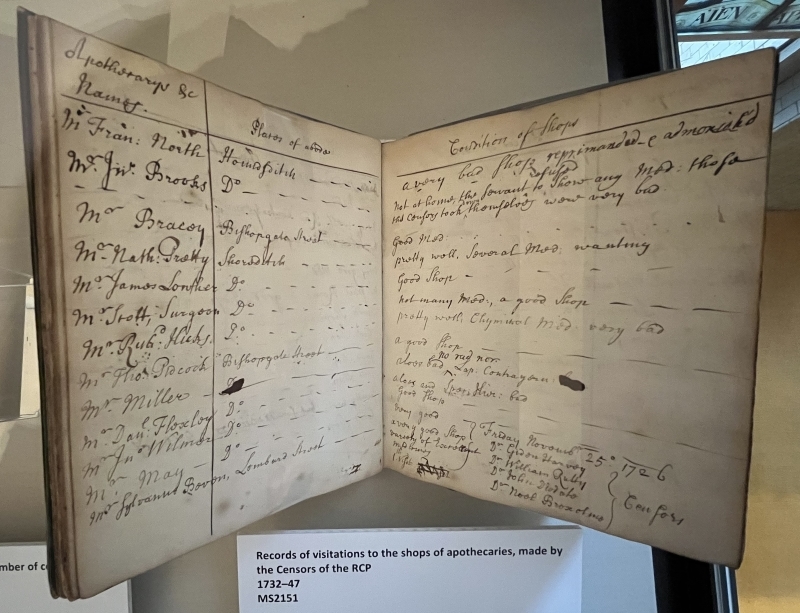
The image above is a record of 18th C 'inspections' of apothecaries shops in London that could be carried out by the physicians. It links directly to the module discussion of medical plurality and the tensions that could exist. Mr North in Houndsditch was 'reprimanded and admonished' for keeping a 'very bad shop'!


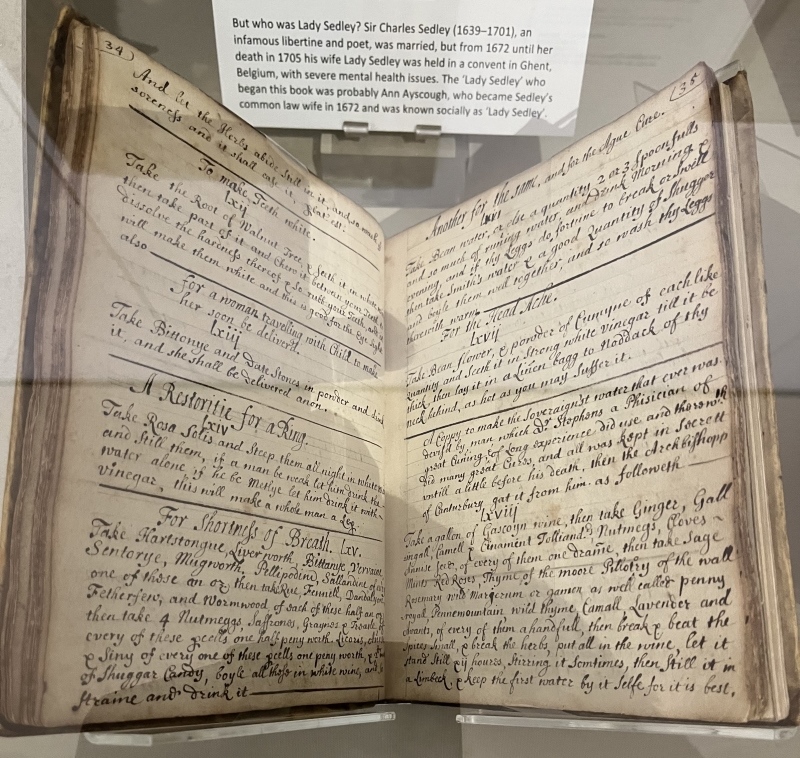
The Lady Sedley, her Receipt book 1686 

https://archive.org/details/ms-534/page/n37/mode/2up

This manuscript illustrated how recipes might often be linked to named physicians - there is one here for Dr Stephens' water - which the exhibition noted was endorsed both by Lady Sedley, but also the Archbishop of Canterbury.

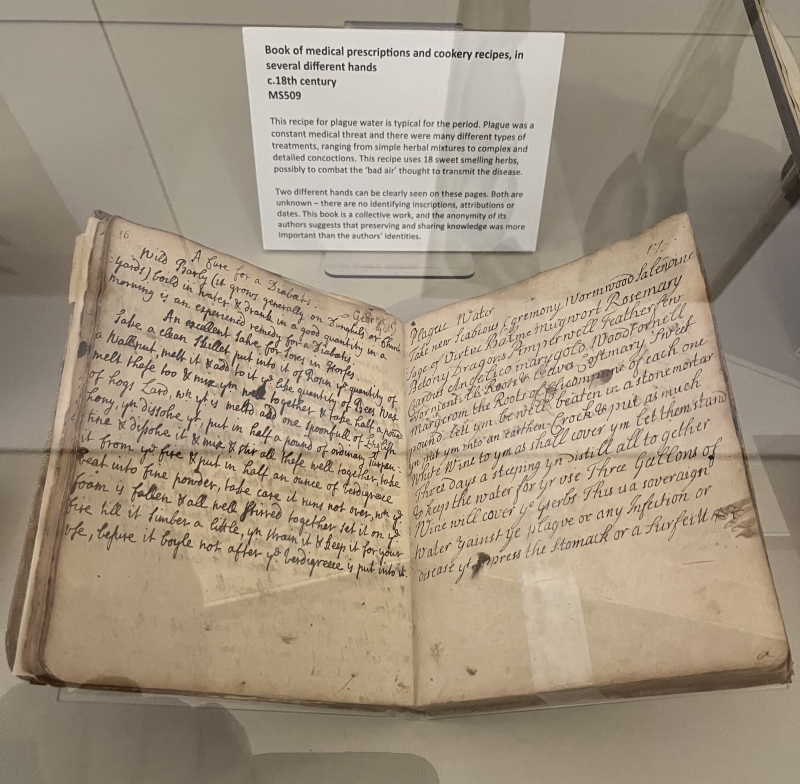
Book of medical prescriptions and cookery recipes c.18th C https://archive.org/details/ms-509/page/n29/mode/2up

The exhibition used this manuscript to highlight how these books were 'communal' documents, passed on and added to within families. The recipe for 'plague water' shows how much 'fragrance' played in ideas about counteracting this disease.

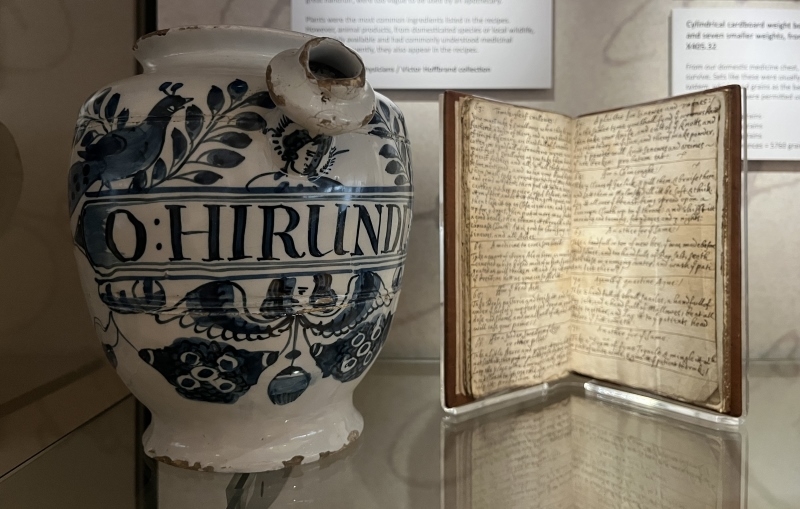
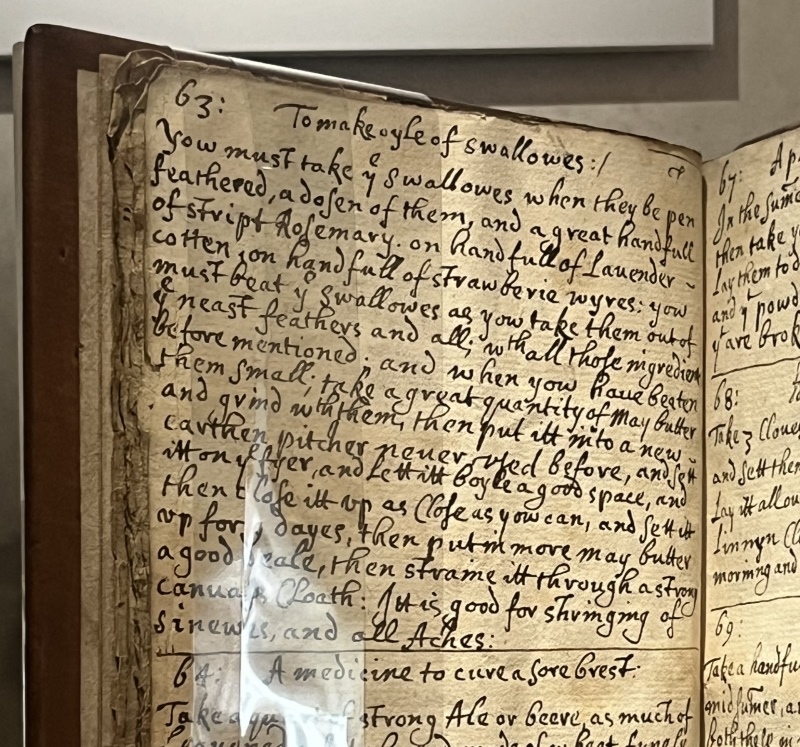
This image is of an apothecary's jar, like the ones lining the walls of the apothecary shop that was illustrated in chapter 10. It was for storing 'Oil of Swallows' - the recipe was also available and is not for animal lovers. this wasn't a euphemism.


'A Booke of Physicall Rec[eipts] Worth the Observing and Keeping: for Mrs Alice Corffilde' 

https://archive.org/details/ms-232/page/n25/mode/2up

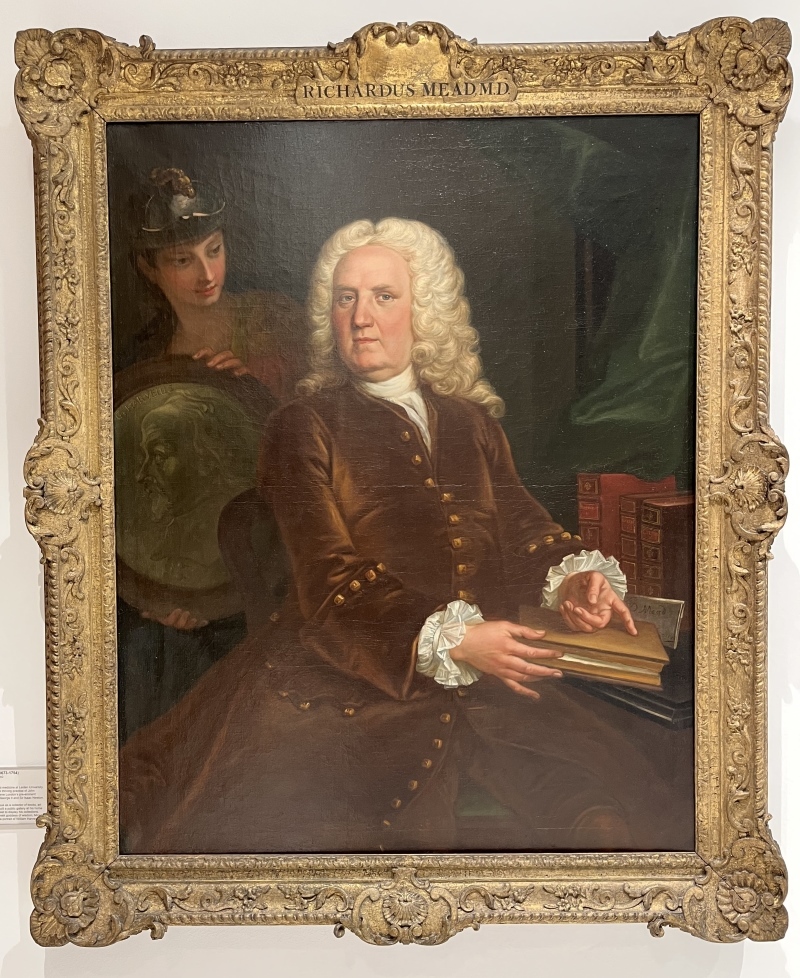
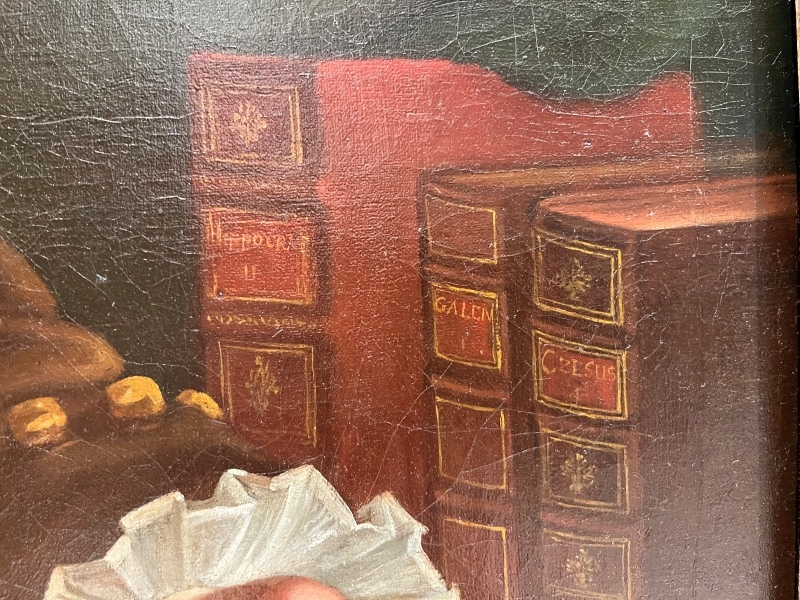
Not part of the specific exhibition, but there were also a number of portraits round the building and I thought this one was worth sharing as really good evidence of how central ancient texts remained right across this period. This portrait is of Dr Richard Mead and is dated c.1740. He was a high status physician, 'attended Queen Anne on her deathbed' (never sure that's a great advert 🤣) and was King George the second's doctor. Anyway, along with appearing entirely unphased by the appearance of the goddess of wisdom in his study clutching a portrait of the iconic William Harvey, I was drawn to his books...

The markers of a learned physician that they'd want emphasised in their portrait remained: Hippocrates, Galen and also the classical writer Aulus Cornelius Celsus (c.25 BC – c.50 AD)

Permalink
Share post
Steven Oliver

To be a pilgrim...

Visible to anyone in the world
Edited by Steven Oliver, Sunday 8 February 2026 at 16:52

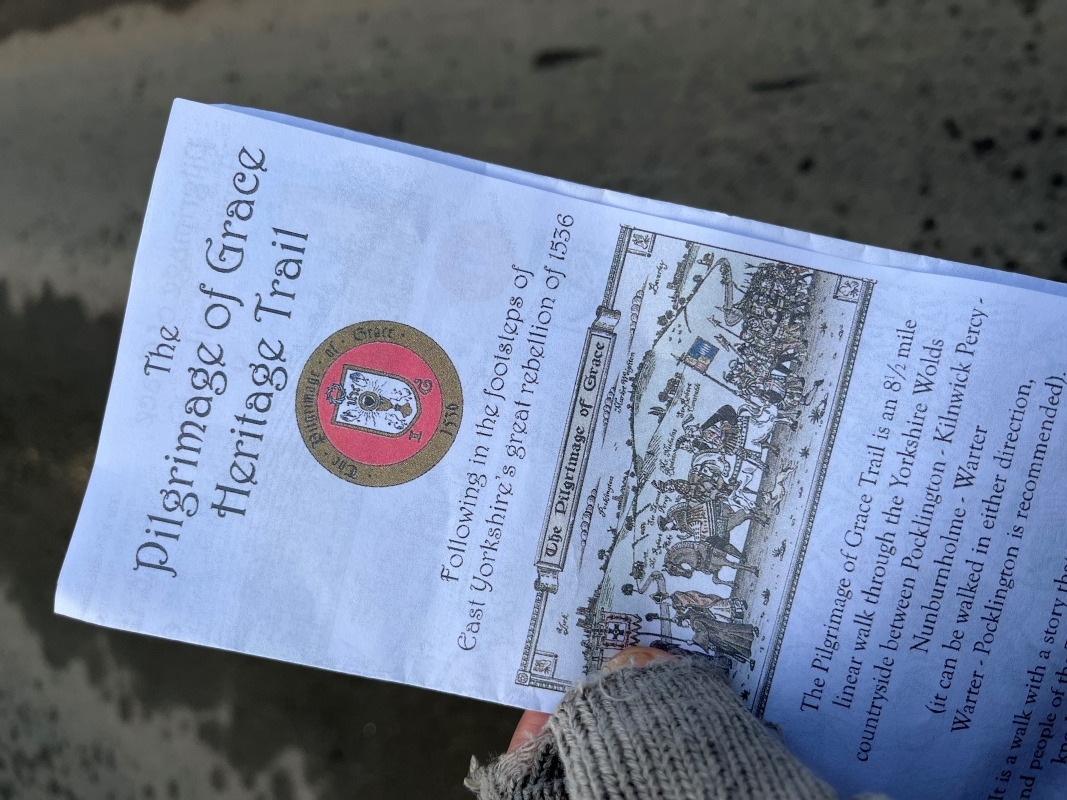
Chapter 13 of A223 'The Reformation and local communities', or at least part of it, is literally on my doorstep. The 'Pilgrimage of Grace' of 1536 is mentioned in the materials as an example of resistance to the Reformation, and a few years ago a local history group in my nearby market town of Pocklington set up a walking trail to commemorate it. 

Like many trails, the actual route is determined by available access, and the connection with paths taken by anyone in 1536 are perhaps a little tenuous - but it was a lovely way to spend a Sunday morning.

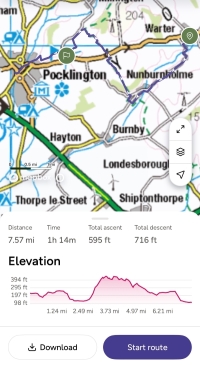
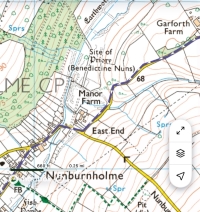
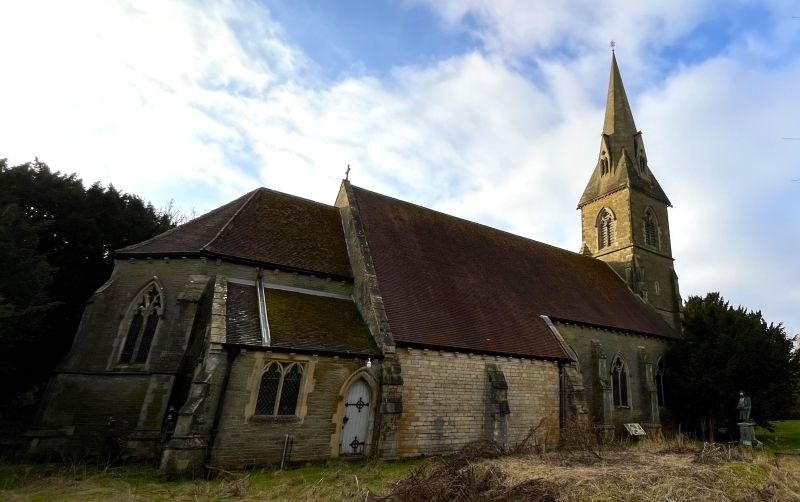
The logic of the trail is that it connects a couple of monastic sites with one of the locations that East Yorkshire rebels stopped at on their way towards York. The path runs from the village of Warter, which was the site of an Augustinian priory, through Nunburnholme, which had a small Benedictine nunnery, and ends in the town of Pocklington. Both the religious houses at Warter and Nunburnholme had been dissolved earlier in 1536 and the 'Pilgrims' reinstated them during the rebellion.


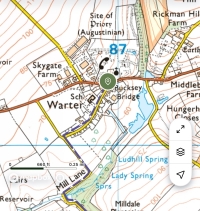
This is the church of St James in the village of Warter, it stands on the site of the former priory church. It was recorded that there were 12 canons resident at the time it was suppressed in August 1536; there are records of fine vestments, plate and jewelry and a holy relic, 'St James hand'. The sub-prior and the kitchener of the priory (their names aren't recorded) participated in either the 1536 'Pilgrimage' or the subsequent rebellions of early 1537 - they were executed in York in February of that year.  

The walk takes you along quiet back roads to the village of Nunburnholme, the Benedictine priory there was one of the smallest and poorest religious houses in the county - six nuns had been living on the site at the time of dissolution (Warter priory had been valued at £140, Nunburnholme only managed £10 3s 3d). 

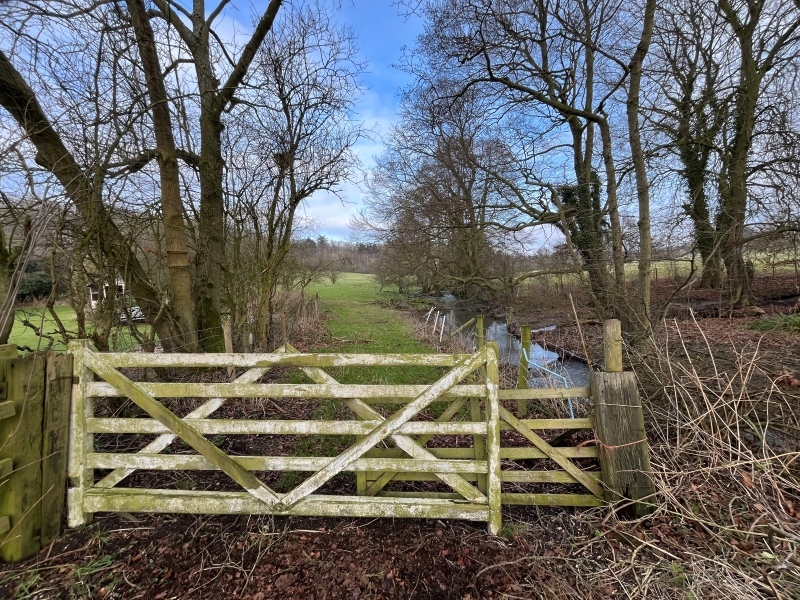
There is nothing left to see of the nunnery, but it was located to the right of the beck as you look eastward up the valley.

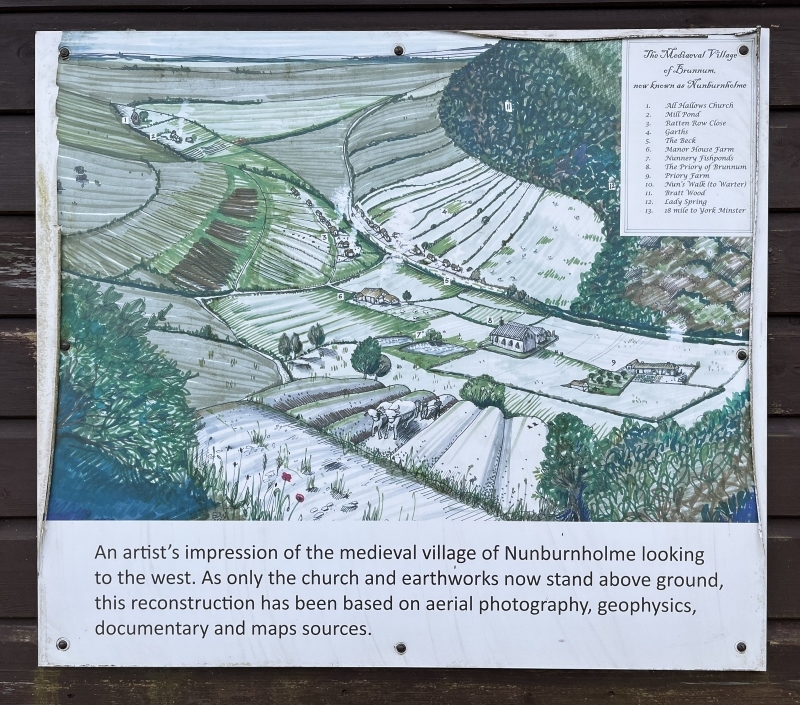
Fortunately there's a very handy sign attached to the bus stop, which gives an idea of what the village might have looked like!

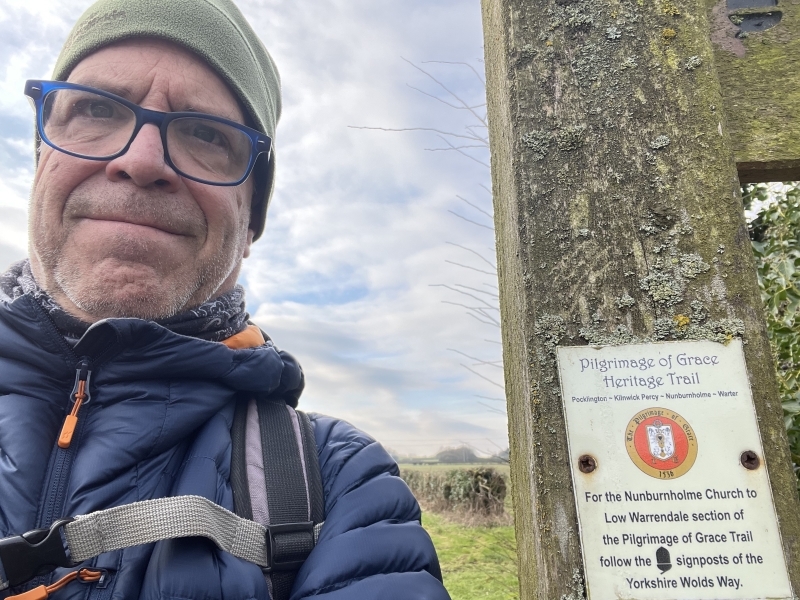
The path doesn't really need much signage, but if you look closely on the signpost you can possibly pick out the banner of the five wounds of Christ that was used by the rebels and is the logo for the trail. 

(This is a really grim looking selfie - promise I was enjoying this a lot more than it looks 🤣)

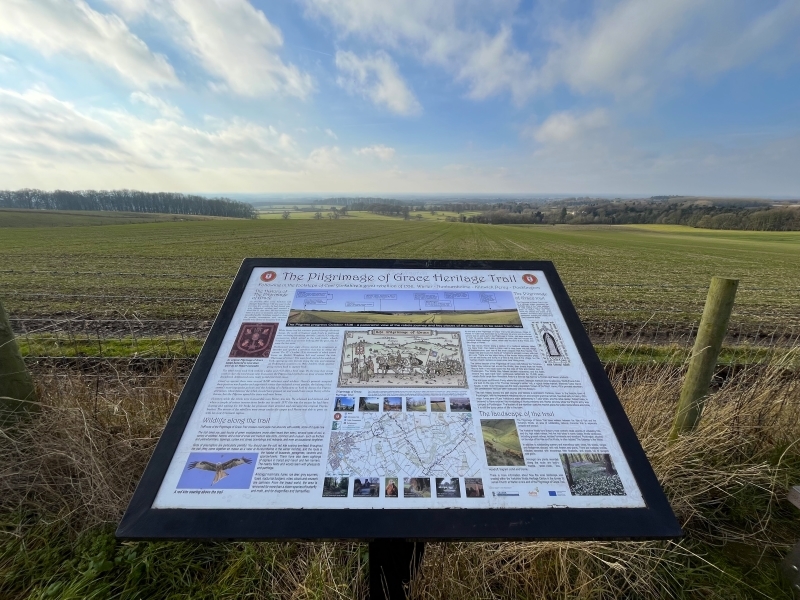
The picture below is taken looking south-west from the edge of the Yorkshire Wolds, out over some of the area from which many commoners were drawn into the rebellion. There were a number of separate groups forming across East and North Yorkshire; the body of men that stopped at Pocklington were on there way to York under the leadership of the one-eyed lawyer Robert Aske, who would have a key role in drafting their oath as well as the '24 Articles' that we look at in the module materials. 


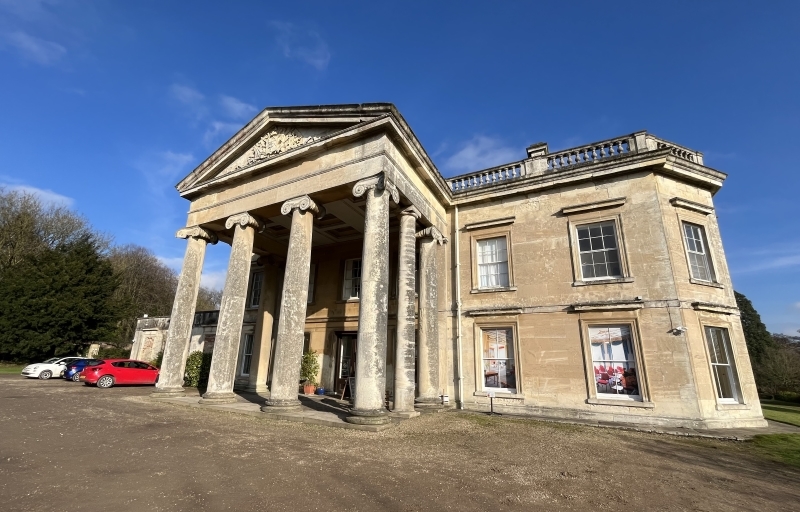
The trail stops off at the Georgian mansion at Kilnwick Percy, shown below. There is a slight link with Henry VIII (if not the Pilgrimage of Grace) as it was built on the site of a tudor manor house owned in 1536 by Sir Thomas Heneage, who had just been appointed as the king's 'Groom of the Stool'!


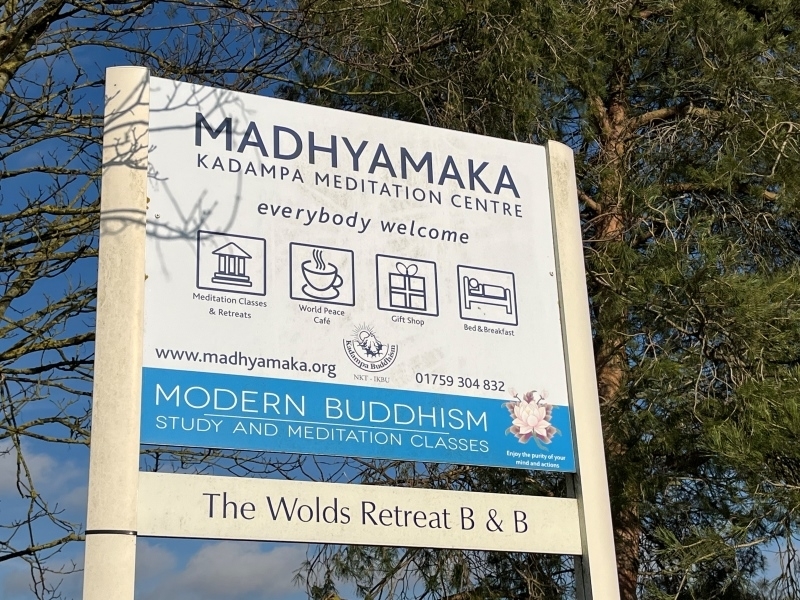
As we probably all got to module A223 via module A111 (with its chapter on Buddhism and compassion) I couldn't resist highlighting that Kilnwick Percy is now in fact a Buddhist retreat - I had a hot chocolate at its 'World Peace Cafe' (to be honest with things as they are at the moment, every little helps!!)


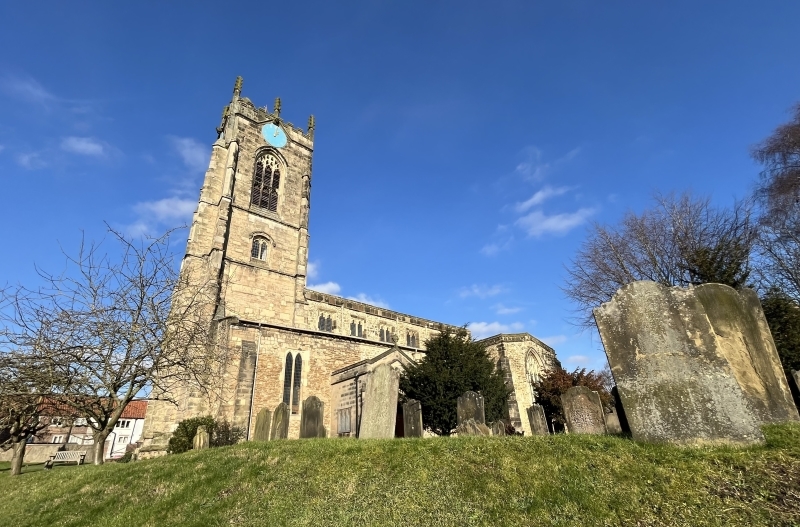
Finally, after about eight miles, the walk ends up at All Saints church in Pocklington, which was looking very impressive in the sunlight today. 

The Pilgrimage of Grace was a complex rebellion, with a mixture of aims and objectives, some about religion, some about political and economic tensions between 'North' and 'South' - but provides a fascinating 'what if...', it does feel that for a short period in 1536/7 the 'top-down' English Reformation was in very serious trouble.

Permalink
Share post
Steven Oliver

In praise of Yorkshire ale!!

Visible to anyone in the world
Edited by Steven Oliver, Sunday 8 February 2026 at 16:52

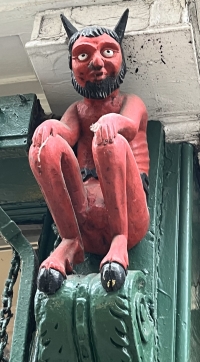
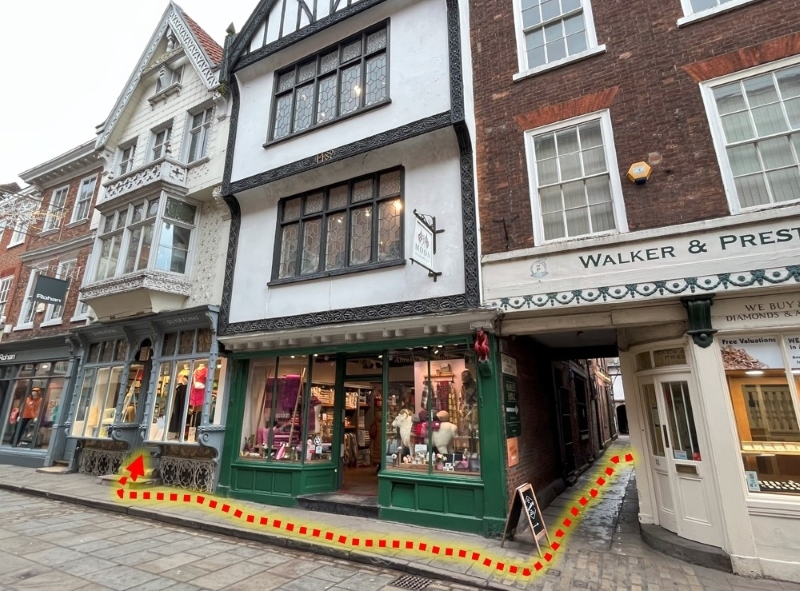
 In folklore, 'printer's devils' caused mischief by misspelling words and inverting and removing type. It became a nickname for printers' assistants, who might also make mistakes! This little devil has only been perched here in the centre of York since 1888, but marks the entrance to an alley that served a print workshop active in the early modern period.

I was keen to see if I could find any locally printed books in the University archives and was delighted when I discovered a copy of something titled...

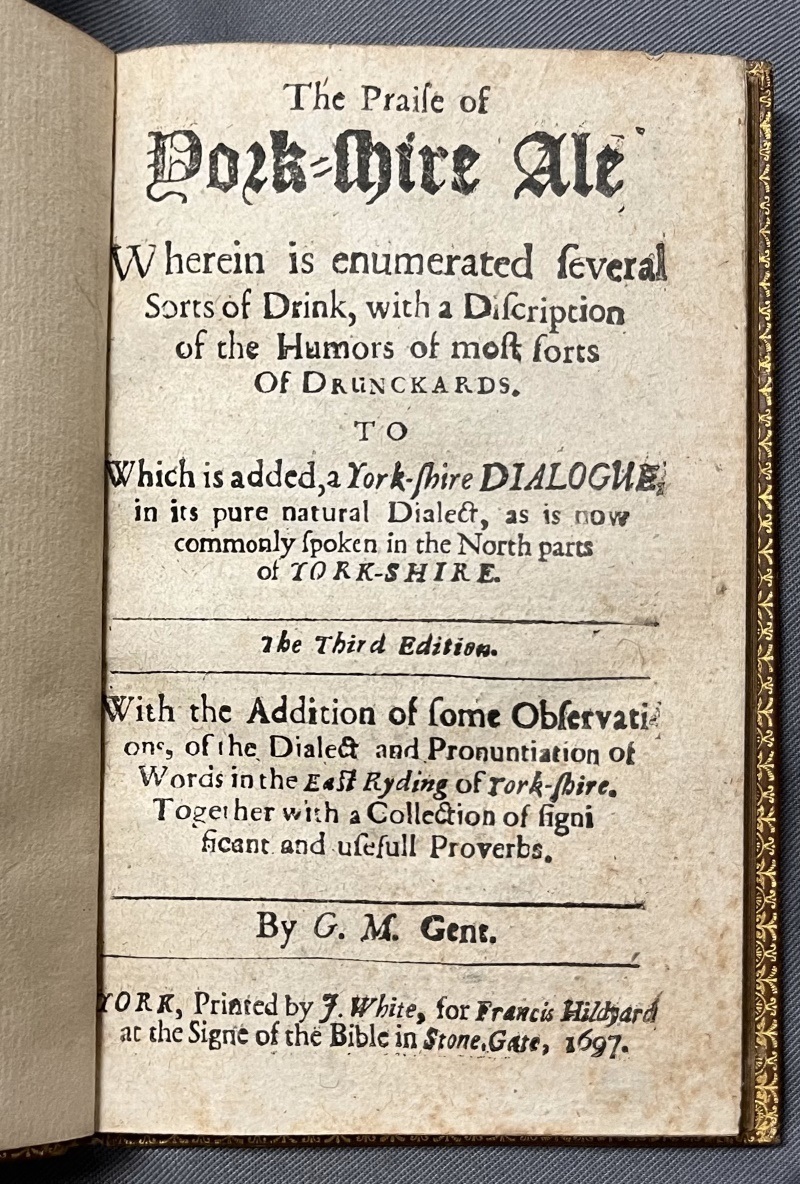
"The praise of Yorkshire-Ale, wherein is Enumerated several Sorts of Drinks, with a Description of the Humours of most Sorts of Drunkards."

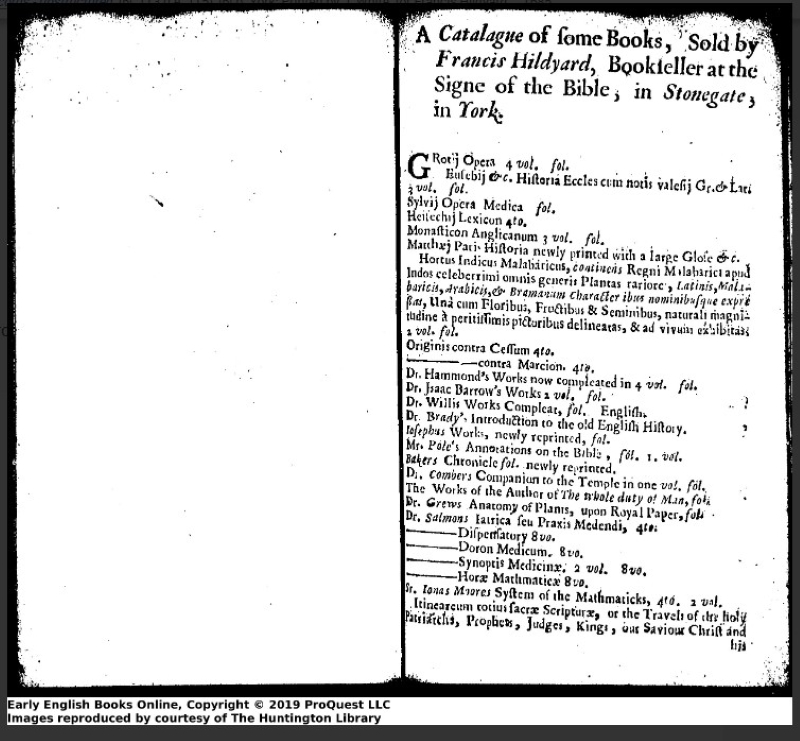
It was printed in 1697 by John White at a press just off Stonegate, for sale in Francis Hildyard's book shop that stood on the street - still marked out today by the 'Signe of the Bible'. As you can see, book printing and retail were physically very closely associated.

I found the book fascinating and a real miscellany. (We can access the text via the OU library and the Early English Books Online EEBO resource - there's a link that should work here if you were really interested)

The first part is a long and rambling poem in which the god Bacchus is taken on a pub crawl round Yorkshire, stopping off at 'Madam Bradley's' in Northallerton, then 'Nanny Driffield's' in Easingwold and ending up in York at 'Parkers Coffee-house i'th Minster Yard', where...

"They call'd & drank till they were all high-flown,

And could not find their way into the Town,

They staggar'd too and fro, had such lite heads,

That they were guided all unto their Beds:

And in the Morning when they did awake,

They curst and swore that all their heads did ake;

O Yorke-shire Yorke-shire: thy Ale it is so strong;

That it will kill us all, if we stay long..."

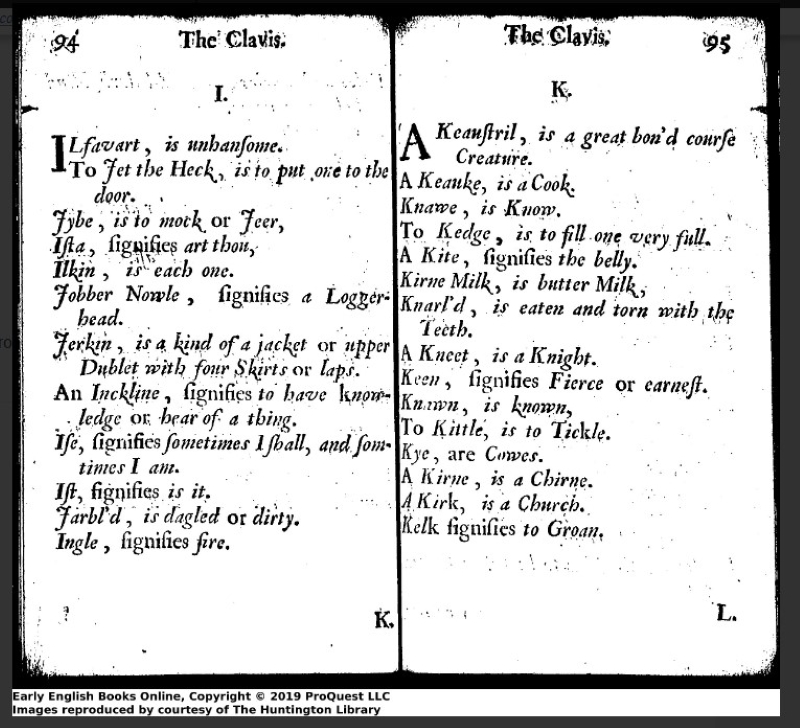
After that comes a section written in East Yorkshire dialect, followed by a 'translation' of what individual words mean. I've included a screen grab from EEBO to show what it looks like (plus I want to try and remember the phrase 'Jet the Heck' 😃). Apparently this is a very early (perhaps even the first) record of Yorkshire dialect.


Finally there's a section listing some of the other books on sale at Francis Hildyard's bookshop - something that seemed a good end to a posting in the 'literacy' week!

Permalink
Share post
Steven Oliver

Some early modern buildings on an early Sunday morning

Visible to anyone in the world
Edited by Steven Oliver, Tuesday 3 June 2025 at 21:51

A223 had a fascinating chapter on urban environments, which really helped me to better understand my nearest City of York. This was a record of 'early modern' buildings in central York that I took one morning [12/1/2025] on a quick 'field trip' - plus some pictures which show what the period did to older ones.

It's not easy to avoid the crowds in York, but a cold, overcast, early Sunday morning in January is perhaps ideal - if not hugely photogenic! 😀
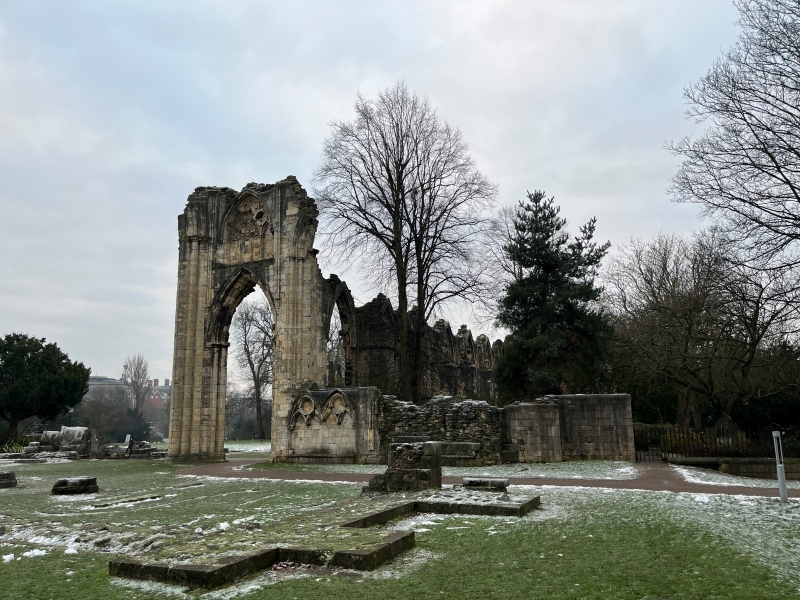


Firstly, St Mary's Abbey church, once a building on a similar scale as York Minster, but dissolved in 1539. The Reformation had a very significant impact in York, as much of its power and significance came from the church. Looking at the map of Avignon in the module materials made me think how similar the two locations must have been at one time. There are no doubt 'bits' of St Mary's in many early modern buildings in York, as the site was effectively a quarry for many years.
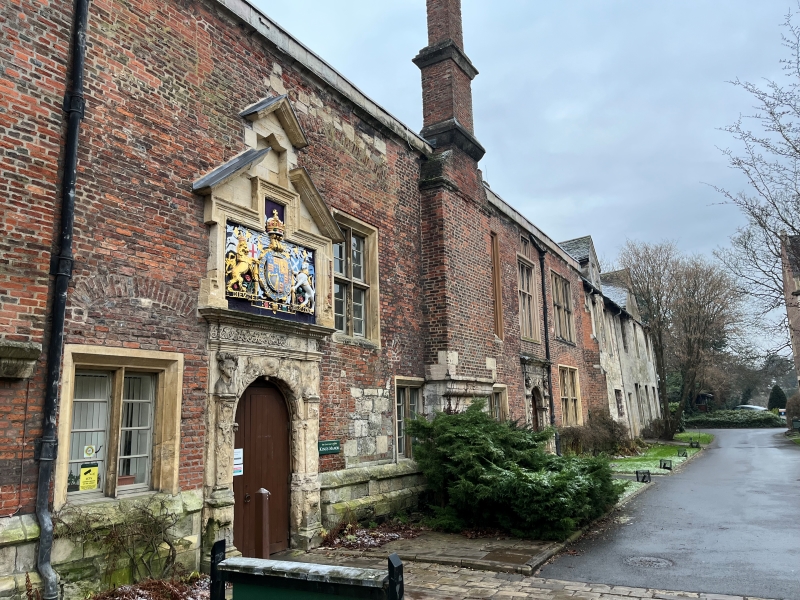


The Abbots house survived however and was taken over by the Crown, it was repurposed as a site for regional government - the location for the 'Council of the North'. It was known as the 'King's Manor' and was briefly the Royalist 'capital' during the Wars of the Three Kingdoms.
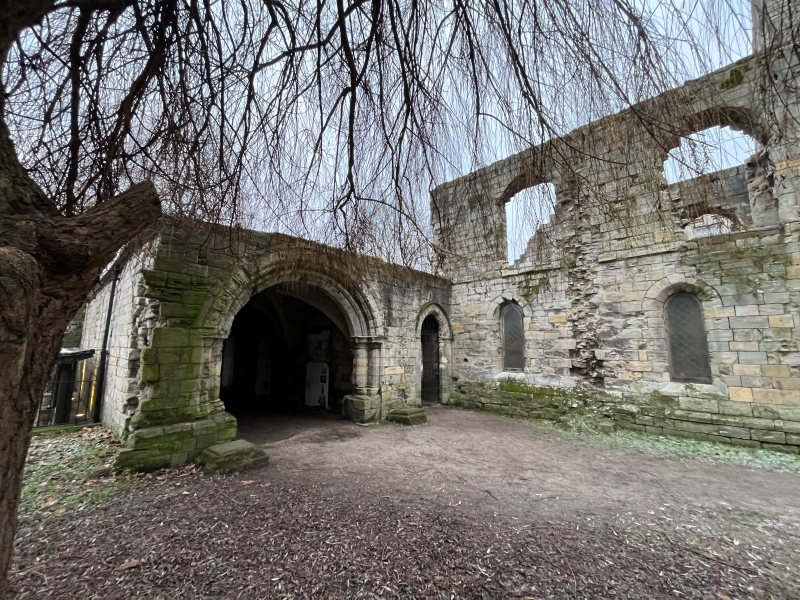


Not much remains of St Leonard's Hospital - once one of England's largest medieval hospitals. The loss of church 'welfare' provision through the Reformation was probably felt more in York than the loss of the Abbey.
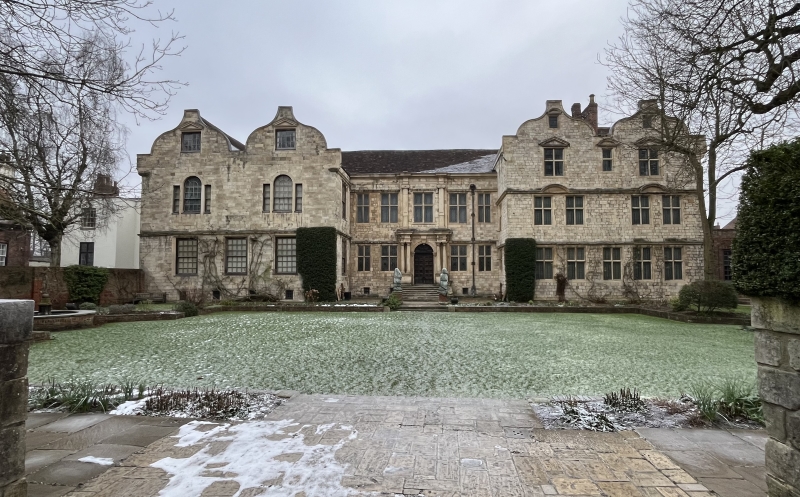


Many buildings in the Minster precincts found new owners/uses after the Reformation. This had been the house of the Minster's Treasurer - and was sold back to the Archbishop and eventually became a private residence. 
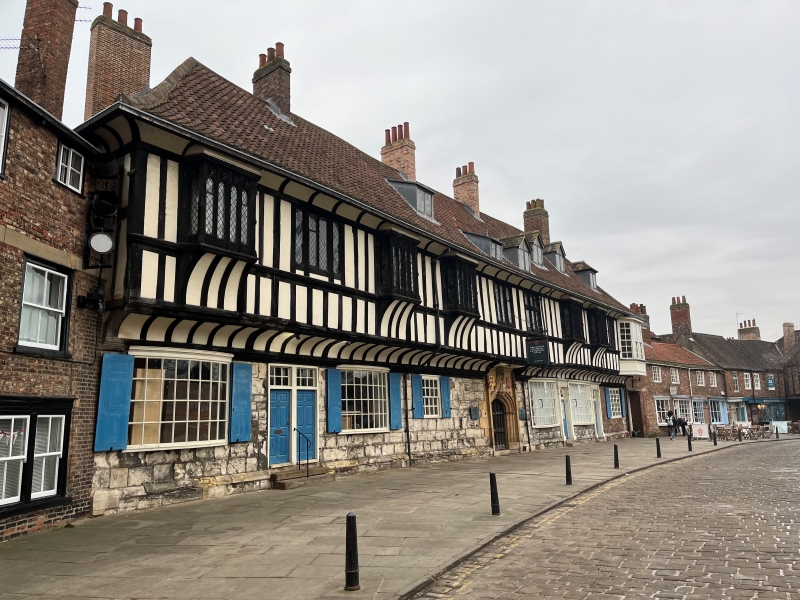


St William's College had been a residential complex for chantry priests at the Minster - there were 24 of these, all out of a job with the Reformation. This building went into private ownership, at one point it was the Royal print works producing propaganda for King Charles I.
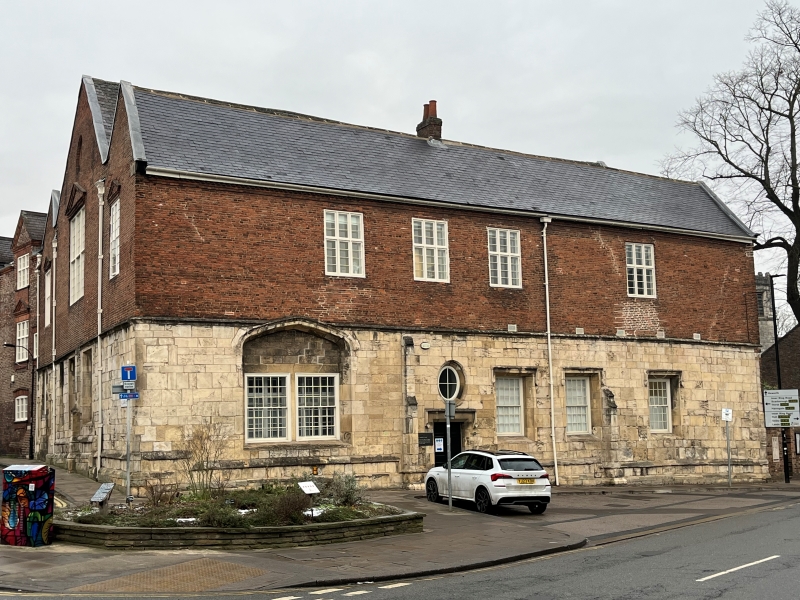


Mendicant Friars had funded the building of St Anthony's Hall shown above. It was taken over by the city governors after the Reformation, becoming at different times a site for a variety of local guilds, a workhouse, a house of correction and a charitable school. It now partly houses a Presbyterian church group.
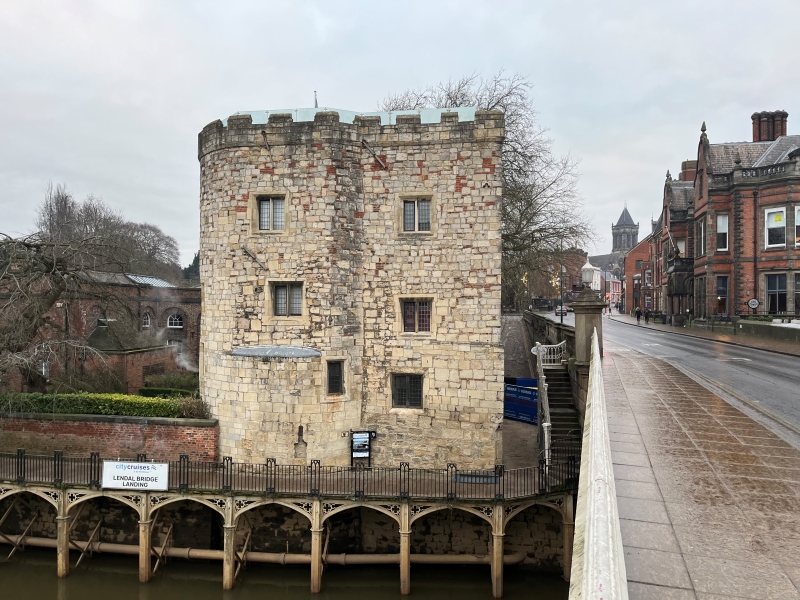


This is probably my favourite early modern 'makeover'. This was originally a medieval riverside defensive structure, housing one end of a chain across the river Ouse that was raised to control shipping. By 1631 it had become the 'Waterhouse' and was essentially a water tower supplying the city, a system that was augmented with a steam engine in 1780. (Pumping York's polluted river water into its houses ensured the city fared particularly badly in the 1832 cholera outbreak, but that's a different module 😀)
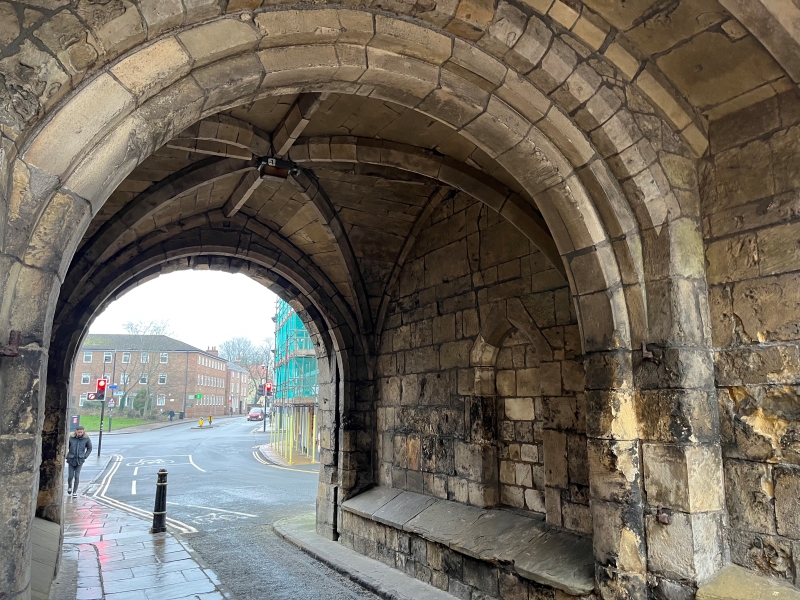


This is York's medieval 'Monk Bar' - (the city's gates are called 'bars' and, confusingly for some, many of the streets are called 'gates'). You can make out a number of the 'control' features it provided, the hinges for wooden gates are visible, as are the tips of the portcullis that could be lowered, but in more common use would have been the (now bricked) window at which toll-collectors sat enforcing local taxation on goods entering the city.
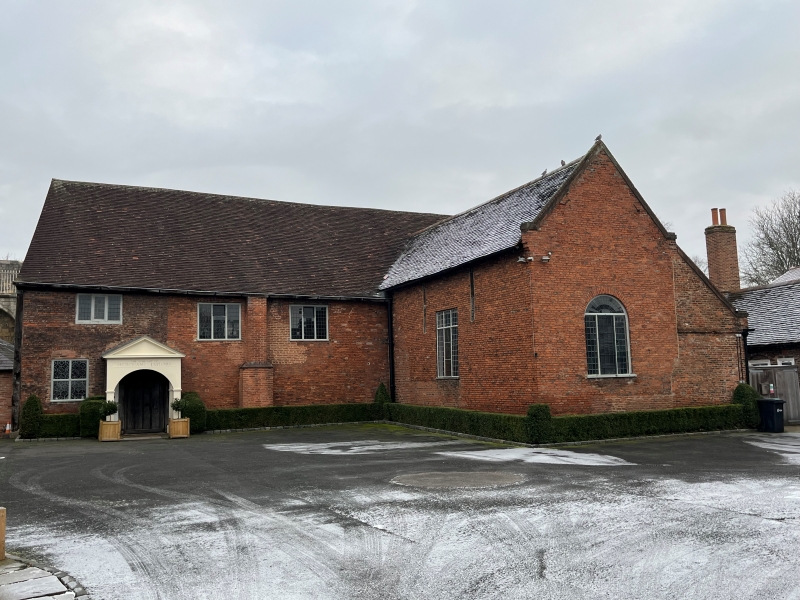


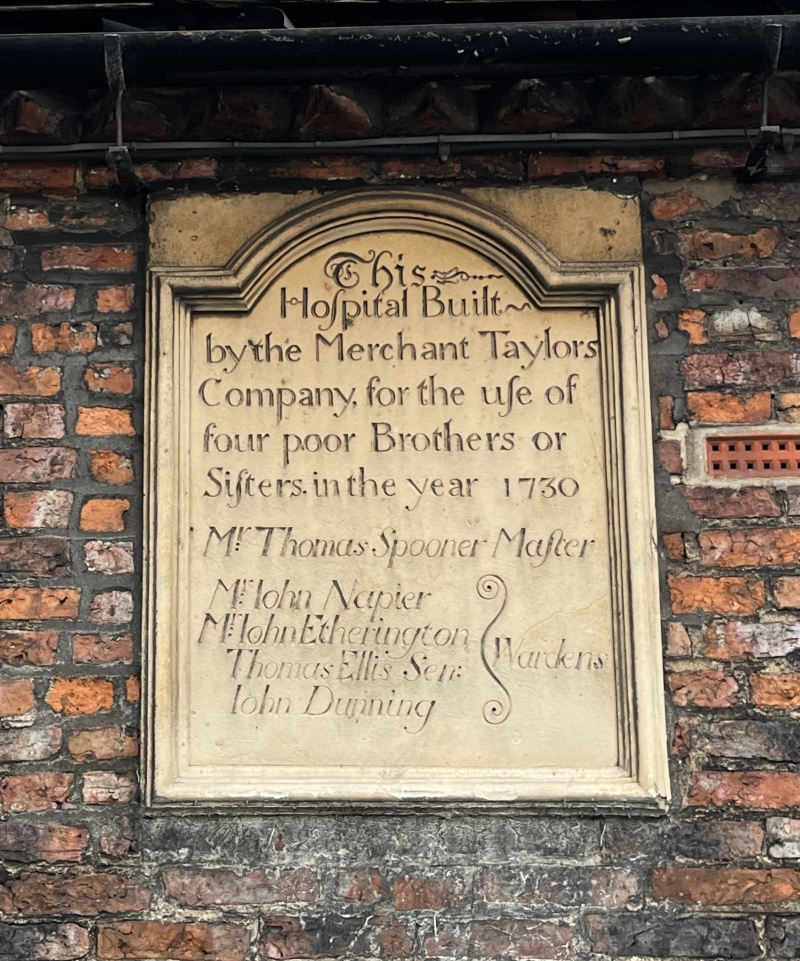
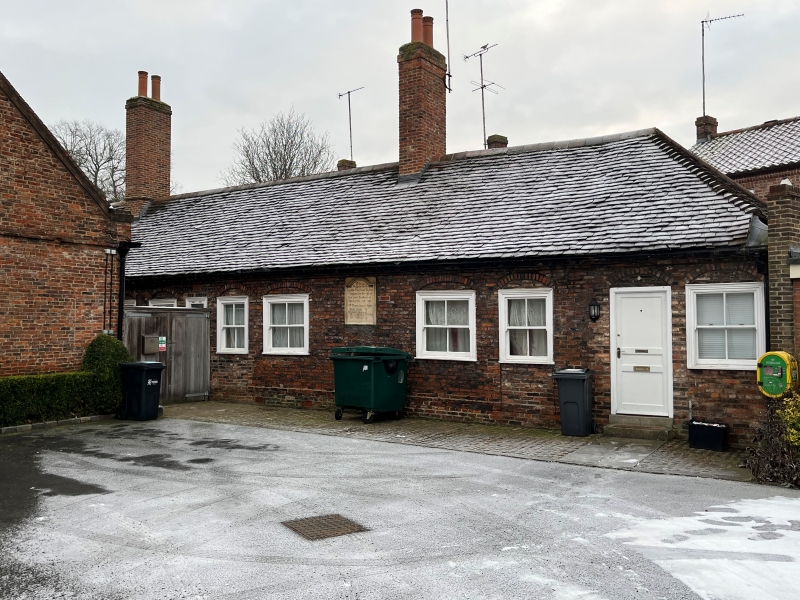
There are a few remaining guild halls in York - this is the location of the Merchant Taylors. This had been established in the medieval period, the guild added a hospital in the early modern period 


Time for some early modern 'new builds'...
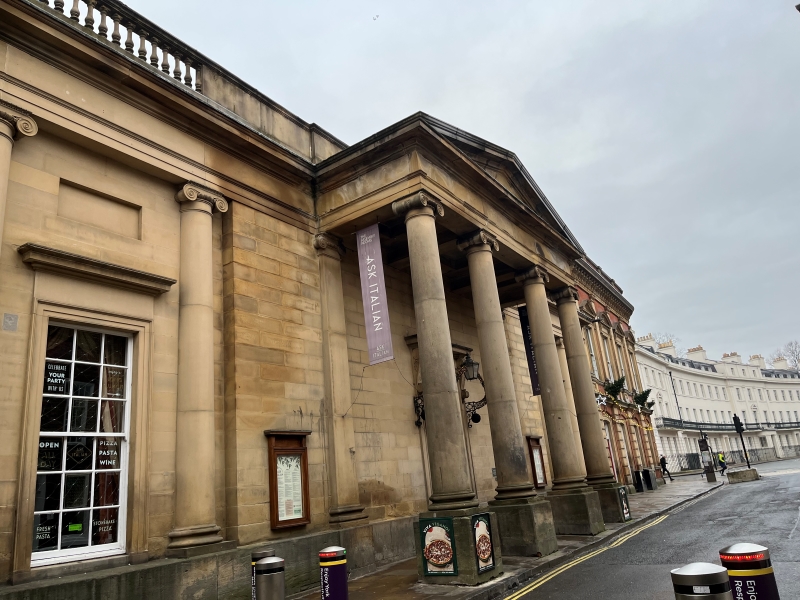


Finished in 1735, these are York's Assembly Rooms. It was too early in the day to eat today, but I have been for a meal in the past and the interior is a stunning location in which to eat pizza!
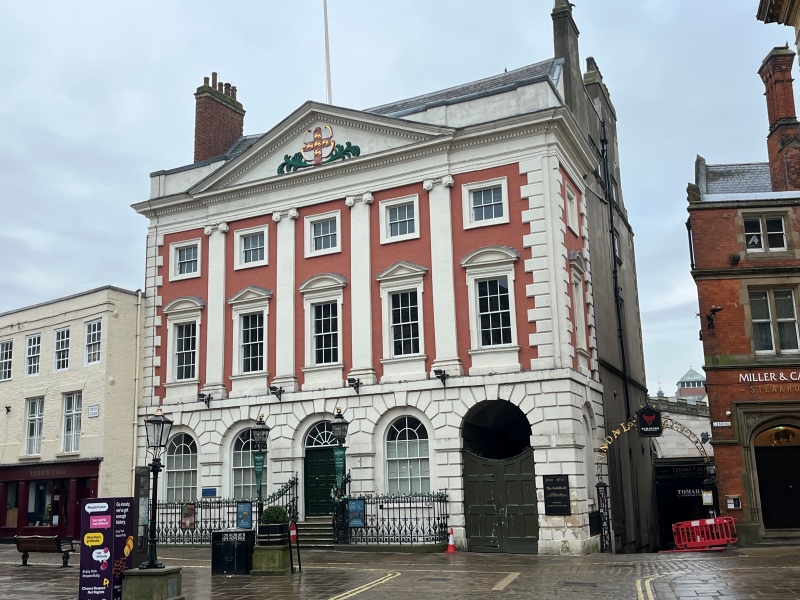


It was the city council that kicked off the idea of building Assembly Rooms as an entertainment venue - and they also funded this residence for the Lord Mayor - the Mansion House finished in 1732. The house sits directly in front of the guildhall, which you can enter via the big green doors - or can't when they're shut like they were this morning! 😠
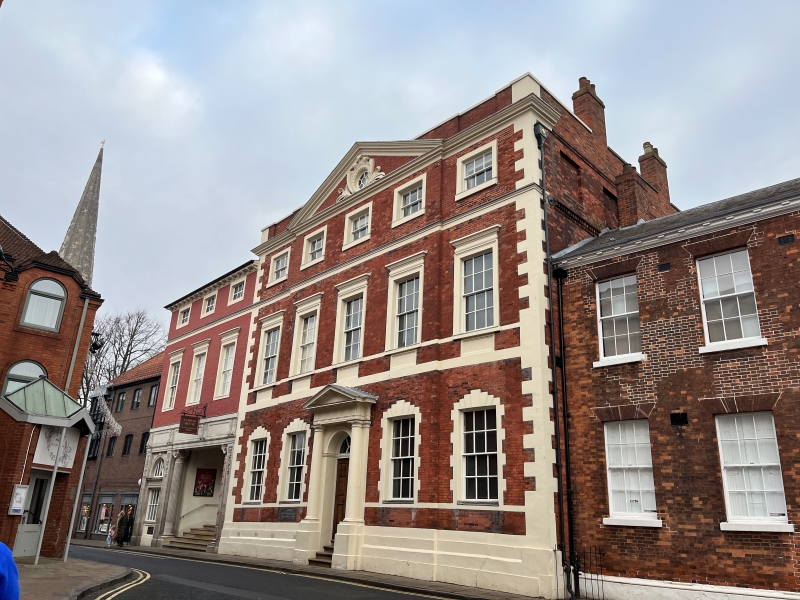


This is a great example of the early modern aristocracy buying into urban living. Fairfax House was bought by Viscount Fairfax of Elmley in 1760 as a gift for his daughter Anne, a place to hang out rather than living in their 'country seat' at Gilling Castle. 
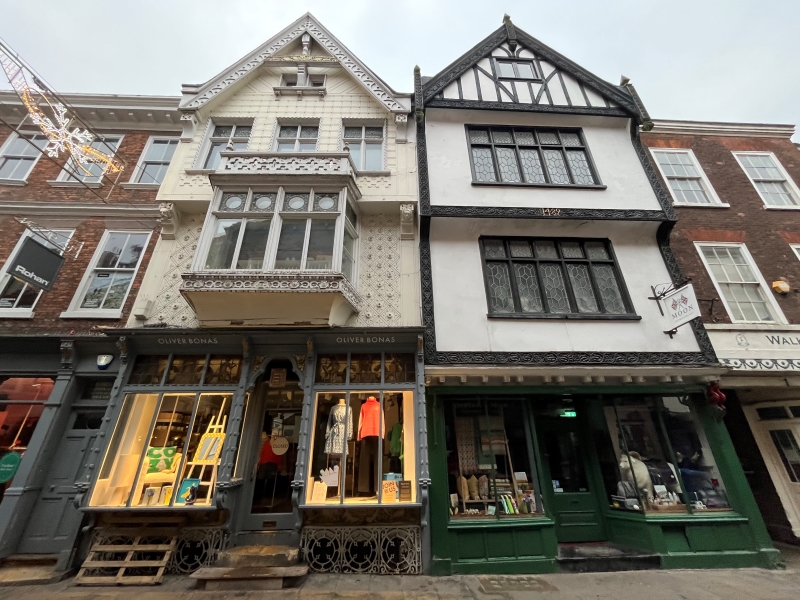


I guess Anne's leisure pursuits might have included a bit of shopping...
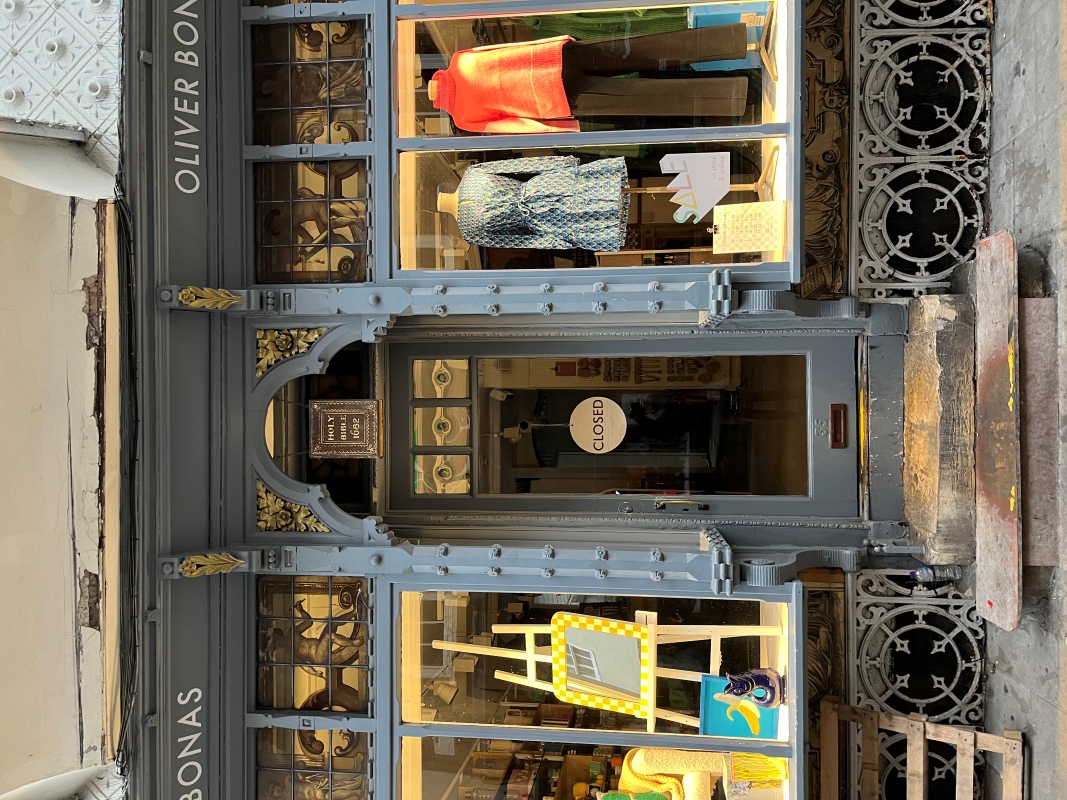
In 1759 the shop on the left was a booksellers, advertising itself “At the Sign of the Bible” as it had since the late 17th century, and it was the place that Laurence Sterne sold the first 200 copies of his first volume of 'Tristram Shandy which he had printed in the city.


Not so sure Anne Fairfax would have been off to the track, but you never know...
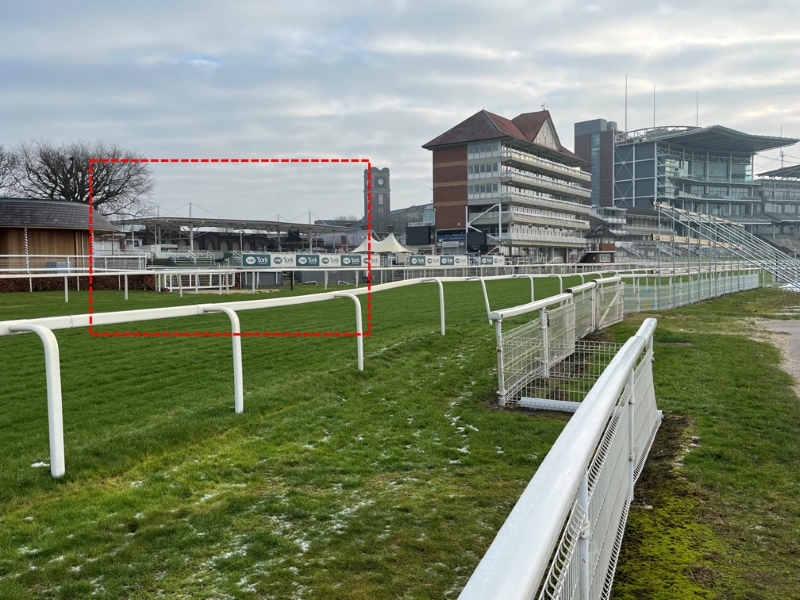


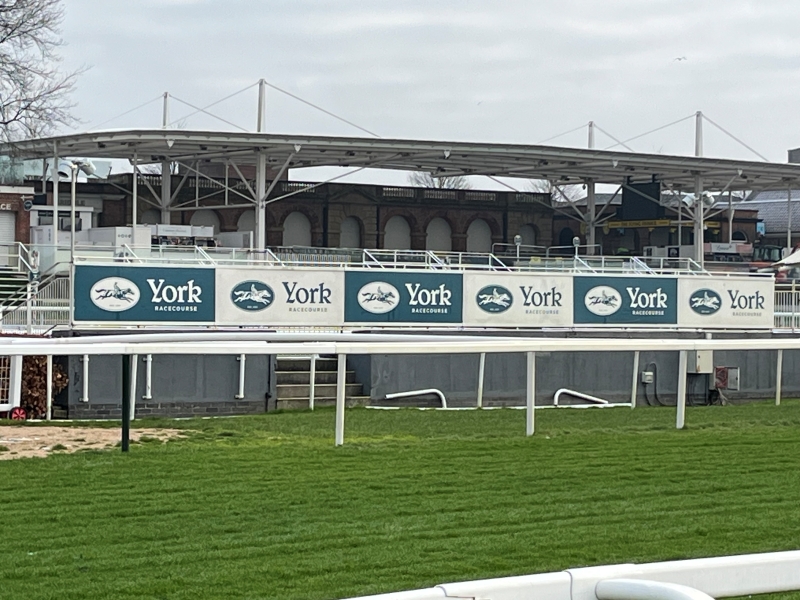
This early modern building at York's Knavesmire racecourse is not that easy to spot, and takes a bit of imaginative 'reconstruction'. But it contains the remaining lower storey of the world's first 'grandstand', built in 1756.

.
It helps perhaps to know what it originally looked like...
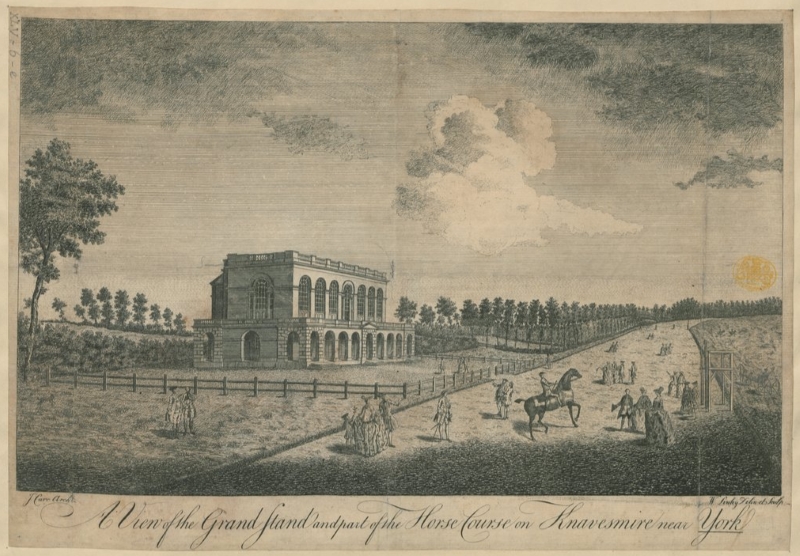


Courtesy British Library (Maps K.Top.45.6.e)

Of course early modern life couldn't all be fun though.
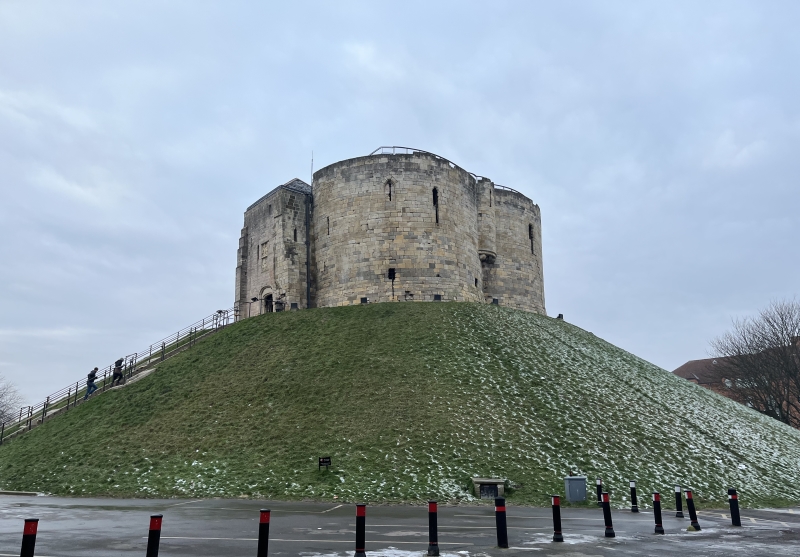


Robert Aske, who we will meet in a couple of weeks rebelling at the head of the 'Pilgrimage of Grace', ended up hanging in chains from Clifford's Tower here in 1537. 

A walk up the castle mound gives good views of three new 18th century buildings...
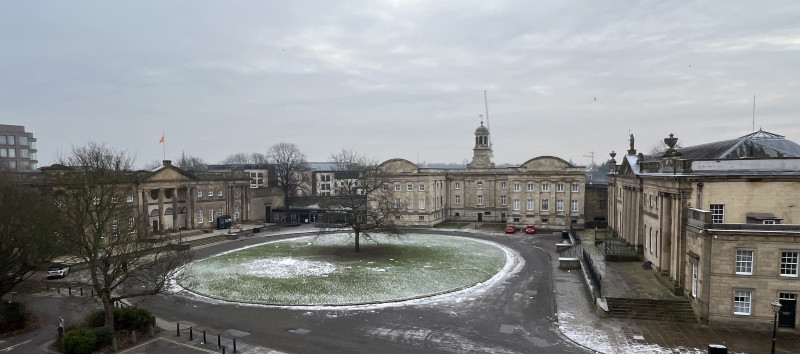

From left to right these are: the Female Prison - built in 1780 to partly relieve the overcrowded...Debtor's Prison - built in 1701 and finally the County Court built in 1777. The court is still in use, the prison buildings now house a museum.
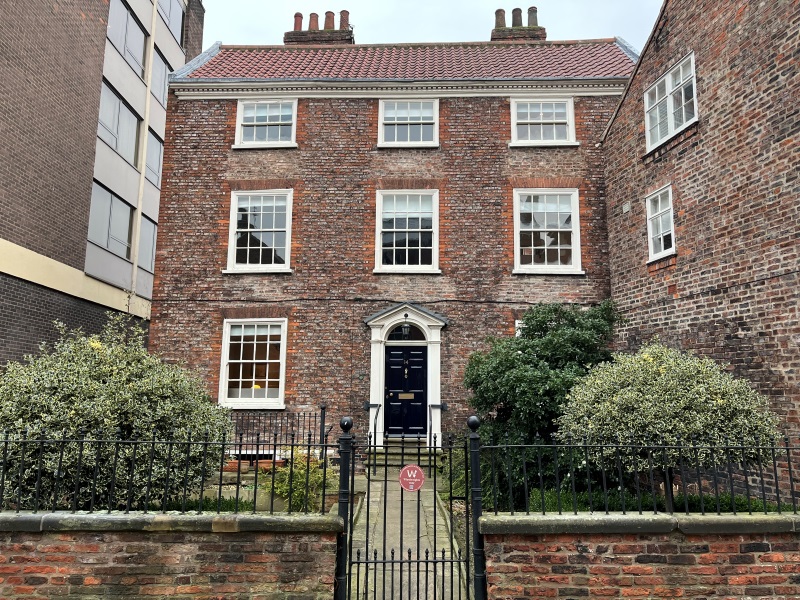


This building was the manse for a newly built Methodist Chapel, John Wesley was a regular guest and preached at the opening of this new religious building which backs on to the house.
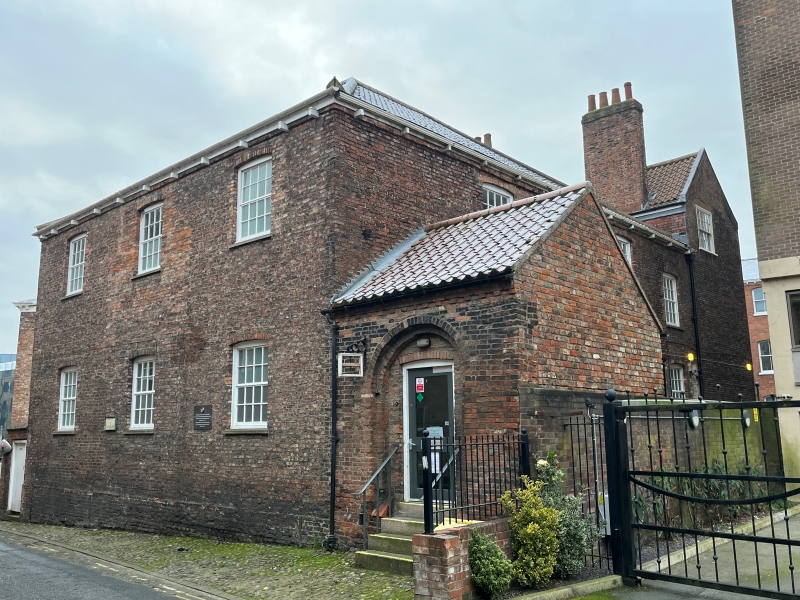


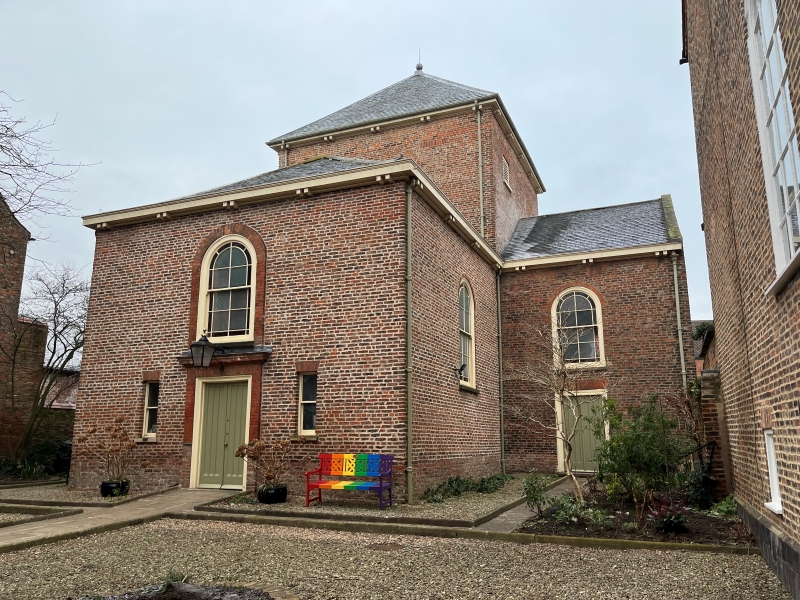
There were a range of non-conformist groups active (and building) in York. Quakers still continue to meet on the site they have used since 1674, but now in a Victorian structure.

The image below is of York Unitarian Chapel which was built in 1693 only a few years after the 'Toleration Act' of 1688 allowed some Protestant nonconformist groups in England to worship publicly. It was initially a Presbyterian chapel (non-trinitarian beliefs like those held by 'Unitarians' were not then legal).


I'd only paid for a couple of hours parking so had to draw the line somewhere 😀, but ended up at another impressive 'new build' ...
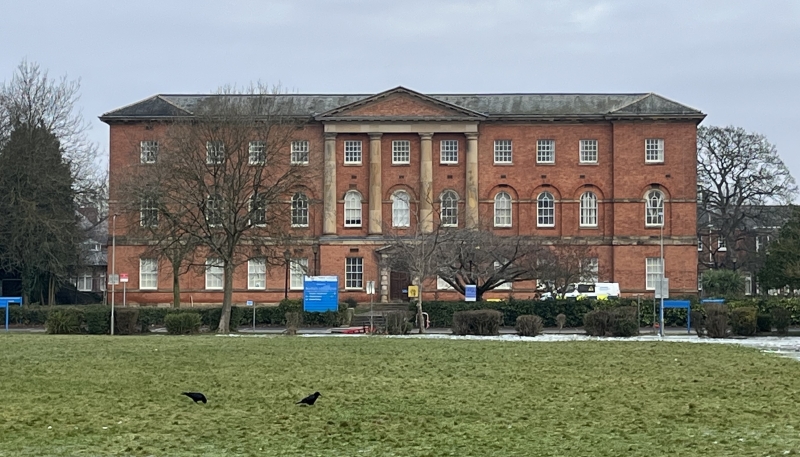


Bootham Park Hospital was built as York Lunatic Asylum in 1777. Impressive on the outside, the misery caused inside and in particular the treatment of a Quaker woman, Hannah Mills, led to the creation of the city's second hospital in the early modern period for those suffering with mental illness. The Retreat, funded by local Quakers, pioneered more humane treatments.

Which is perhaps a positive place to end, but then I realised I'd missed what has long been York's major building and was so in the early modern period despite a lot of change going on - it is particularly hard to ignore on a Sunday morning! 🔔🔔🔔

(The current Minster bells were all actually cast in the 20th century, but whilst changes might be being rung the sound seems to me to be all about continuity.)


Permalink
Share post
Steven Oliver

Early Modern Yule in York

Visible to anyone in the world
Edited by Steven Oliver, Tuesday 3 June 2025 at 20:26

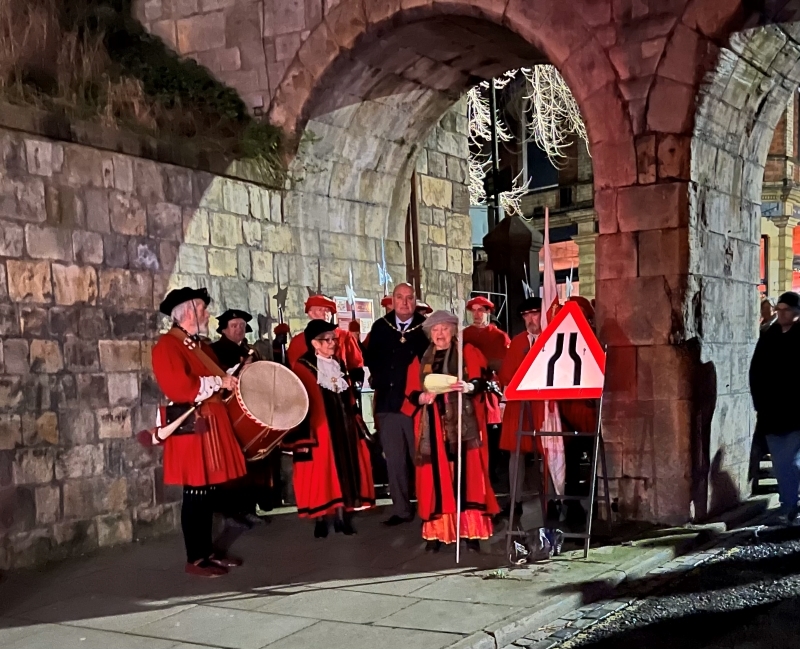
"Oyez! Oyez! Oyez! We command that the peace of our lady the Queen be well kept by night and day but that all manner of whores, thieves, dice players and other unthrifty folk be welcome to the city, whether they come late or early, at the reverence of the High Feast of Yule till the Twelve Days be past. God save the Queen!"

On 21st December the Sheriff of York gave the annual 'Yulegirthol proclamation' beneath the Micklegate Bar...


The crowd then set off in a properly Early Modern fashion to get the party started and make a bit of noise on the longest night.


I'm sure the costumes and regalia will turn out to be an early 20th century 'reinvention' of tradition, but the celebration of 'Yule and Yule's Wife' in York have a proper historical basis. This link from the Borthwick Archives in York gives some fascinating primary sources for the conflicts that arose in the 16th century over what was clearly a suitably rowdy time! (Have to say there were still plenty of 'unthrifty folk' thoroughly enjoying York City centre that night 🤣)
Permalink
Share post

This blog might contain posts that are only visible to logged-in users, or where only logged-in users can comment. If you have an account on the system, please log in for full access.

Total visits to this blog: 58247