OU blog

Personal Blogs

Steven Oliver

Mini-cruise miscellany!

Visible to anyone in the world
Edited by Steven Oliver, Thursday 9 April 2026 at 09:31

It was all aboard for a 2-day 'mini-cruise' from Hull on the P&O ferry to Rotterdam recently, which gave the chance for an assortment of past-module glimpses. 😃

We were on the 'Amsterdam trip' which meant a 90min coach journey from the port - no stops, but a chance to revisit some mental images of early modern Leiden, which featured heavily in A223.
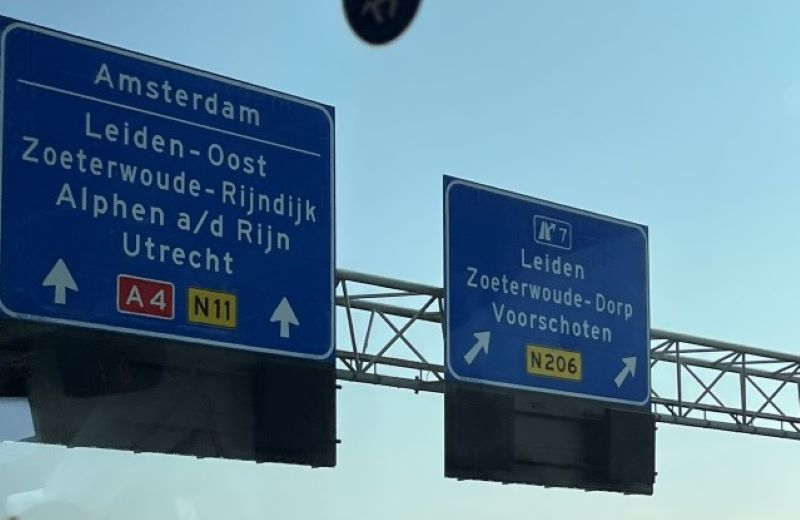
We didn't overburden ourselves with Amsterdam sights - as our time was limited and we had coffee and beer to drink - but had a flying visit to the Rijksmuseum. The dedicated Van Gogh museum was fully booked, so we made do with a couple of pictures from the 'highlights' tour for a trip down A111-memory lane.

First, inevitably, a self-portrait...
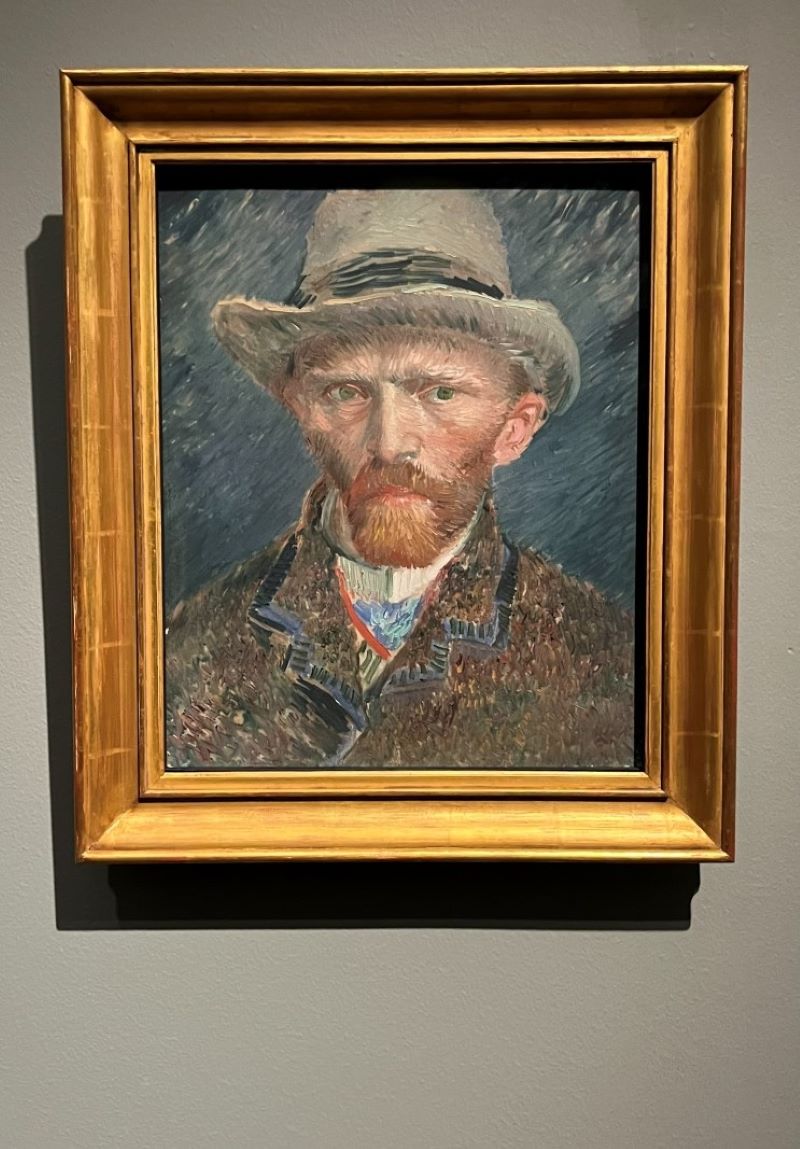
Self-portrait
Vincent van Gogh, 1887

'After hearing from his brother Theo about the new colorful French painting, Vincent moved to Paris in 1886. He soon tried out the French style on a number of self-portraits. He did this primarily to save on the cost of a model. Here, he painted himself as a fashionably dressed Parisian, with loose, rhythmic brushstrokes in striking colors.'


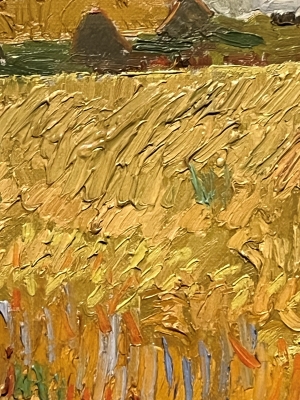
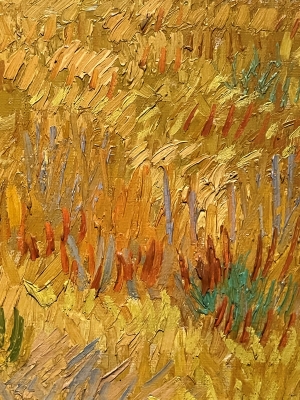
Then a beautiful dose of high intensity yellow and a chance to get up close and personal with those brushstrokes and paint blobs...
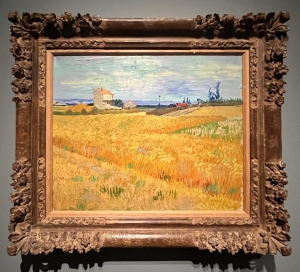
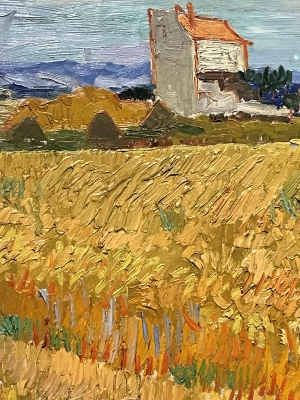
Wheatfield
Vincent van Gogh, 1888


This painting struck me as a great image for 'chlorosis' - think she even has a rather greenish tinge! This was a direct link back to the pluralist medical community of the early modern module.
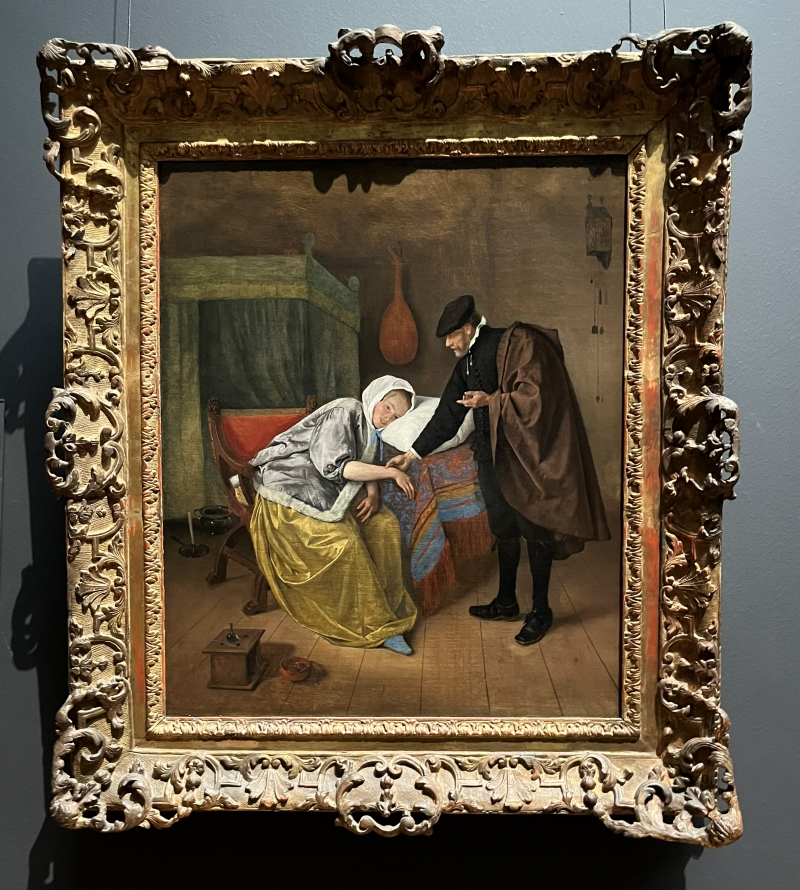
The Sick Woman
Jan Havicksz. Steen, c. 1663 - c. 1666

Faint from fever, the young woman rests her head on a pillow. Is she perhaps lovesick? Is she pregnant? To find out, a quack would put a strip of his patient’s clothing in a brazier to smoulder – the scent would disclose her secret. Jan Steen here presents such a charlatan making a diagnosis. His old-fashioned attire characterizes him as a comic character.
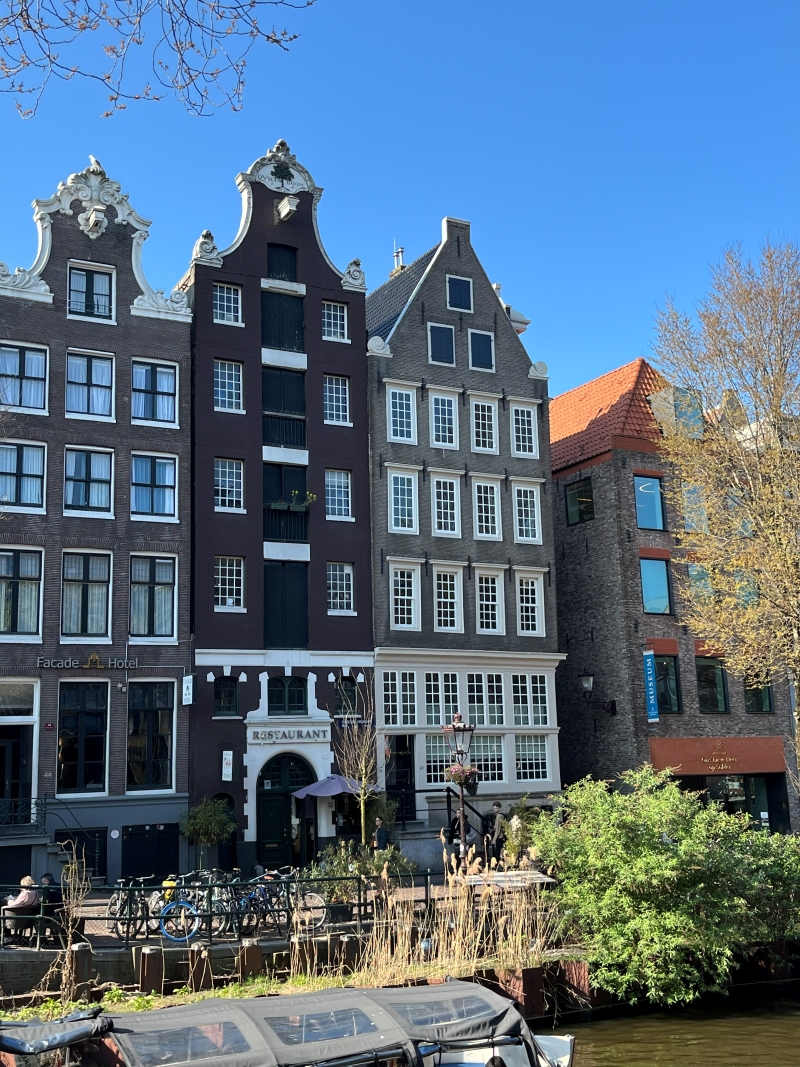

Finally (said it was a flying visit) a canalside beer was strategically chosen to allow me a photo of some early modern religious 'toleration'Ā  - just to the right of the restaurant is an example of a Dutch 'huiskerken'. A site for Catholic worship, acceptable to the Protestant population, as long as it appeared on the outside just like a residential dwelling. No time to explore the preserved interior, Ons’ Lieve Heer op Solder (Our Lord in the Attic Museum), but need to have some reason to justify a return trip! 😃
Permalink
Share post
Steven Oliver

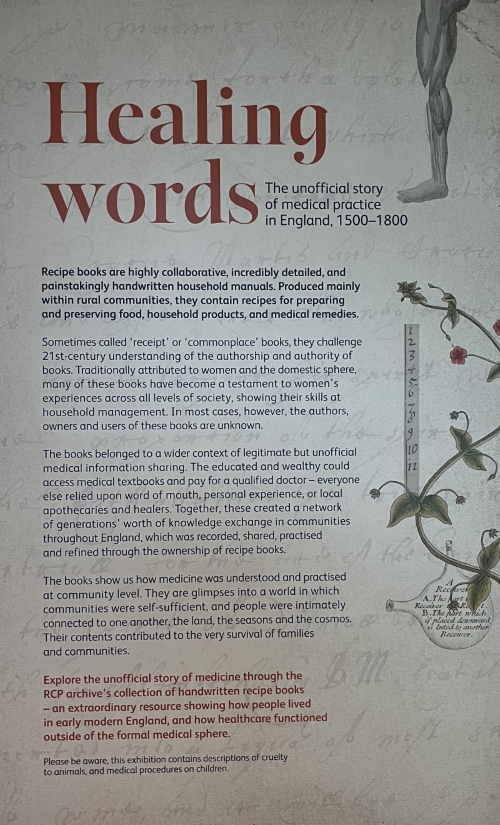
'Healing Words' - exhibition at the Royal College of Physicians London

Visible to anyone in the world
Edited by Steven Oliver, Sunday 8 February 2026 at 16:52

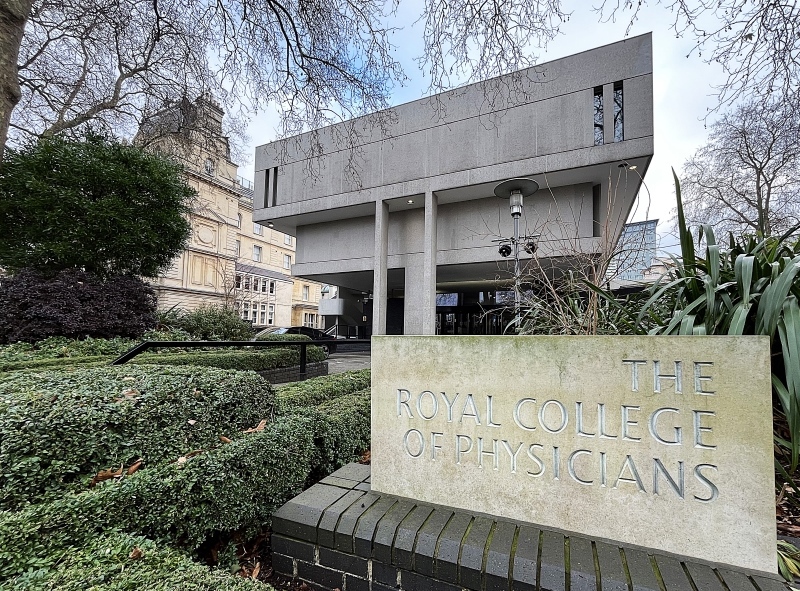
On a day trip to visit my daughter in London [17/1/2025] I had a chance to visit an exhibition at the Royal College of Physicians in London, just off Regent's Park. It's largely based around the college's collections of manuscript 'recipe books' - the types of documents that were mentioned in chapter 4 of A223 as a key source of medical advice within the home.

The exhibition has got an excellent website running alongside it:

https://history.rcp.ac.uk/exhibitions/healing-words

and all the recipe book manuscripts have been digitised and are available at the following link

https://archive.org/details/rcplondonmanuscripts

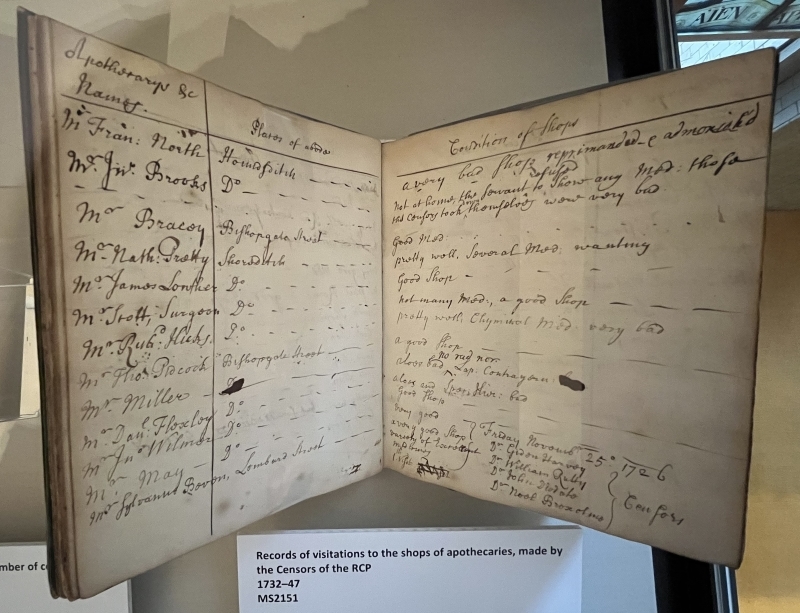
Trying to take photos of documents displayed in reflective, shiny cases is a bit of a lost cause ā˜¹ļø so I've just included a few that particularly seemed to link in with the module.

The image above is a record of 18th C 'inspections' of apothecaries shops in London that could be carried out by the physicians. It links directly to the module discussion of medical plurality and the tensions that could exist. Mr North in Houndsditch was 'reprimanded and admonished' for keeping a 'very bad shop'!

Ā 


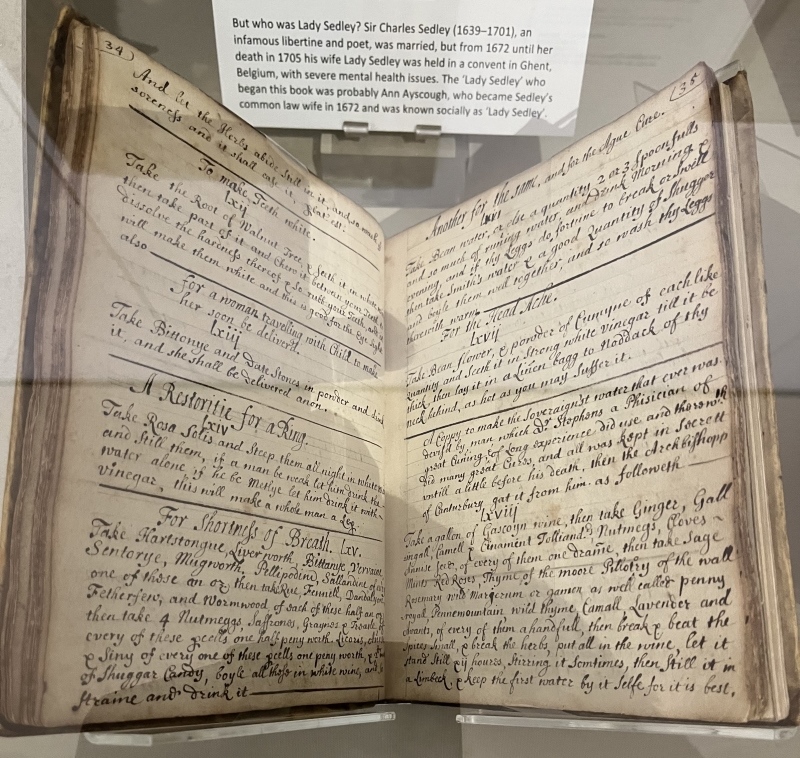
The Lady Sedley, her Receipt book 1686Ā 

https://archive.org/details/ms-534/page/n37/mode/2up

This manuscript illustrated how recipes might often be linked to named physicians - there is one here for Dr Stephens' water - which the exhibition noted was endorsed both by Lady Sedley, but also the Archbishop of Canterbury.

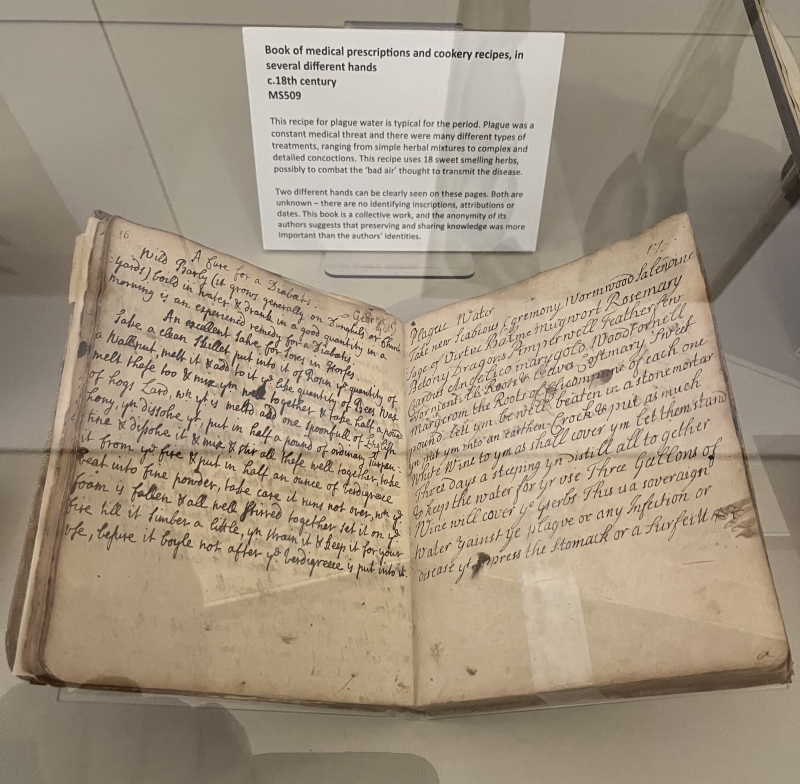
Book of medical prescriptions and cookery recipes c.18th CĀ https://archive.org/details/ms-509/page/n29/mode/2up

The exhibition used this manuscript to highlight how these books were 'communal' documents, passed on and added to within families. The recipe for 'plague water' shows how much 'fragrance' played in ideas about counteracting this disease.

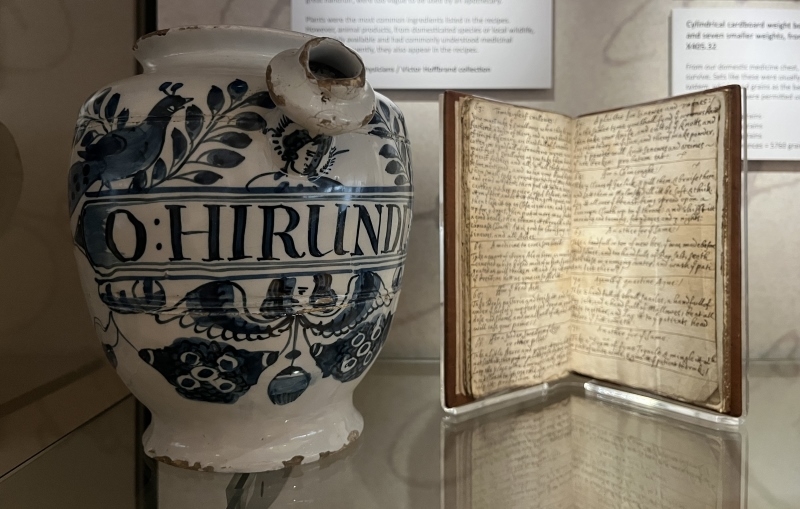
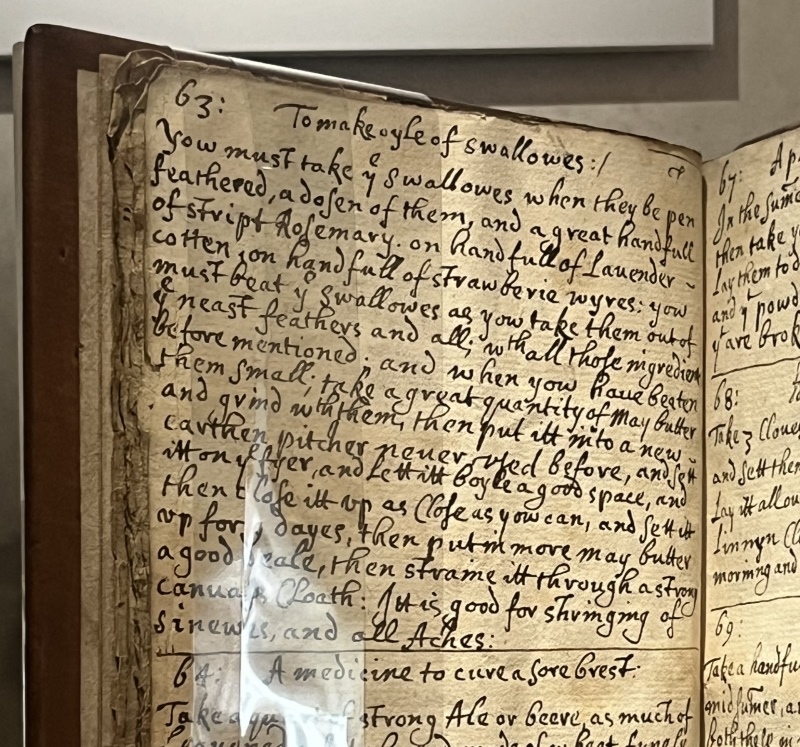
This image is of an apothecary's jar, like the ones lining the walls of the apothecary shop that was illustrated in chapter 10. It was for storing 'Oil of Swallows' - the recipe was also available and is not for animal lovers. this wasn't a euphemism.


'A Booke of Physicall Rec[eipts] Worth the Observing and Keeping: for Mrs Alice Corffilde'Ā 

https://archive.org/details/ms-232/page/n25/mode/2up

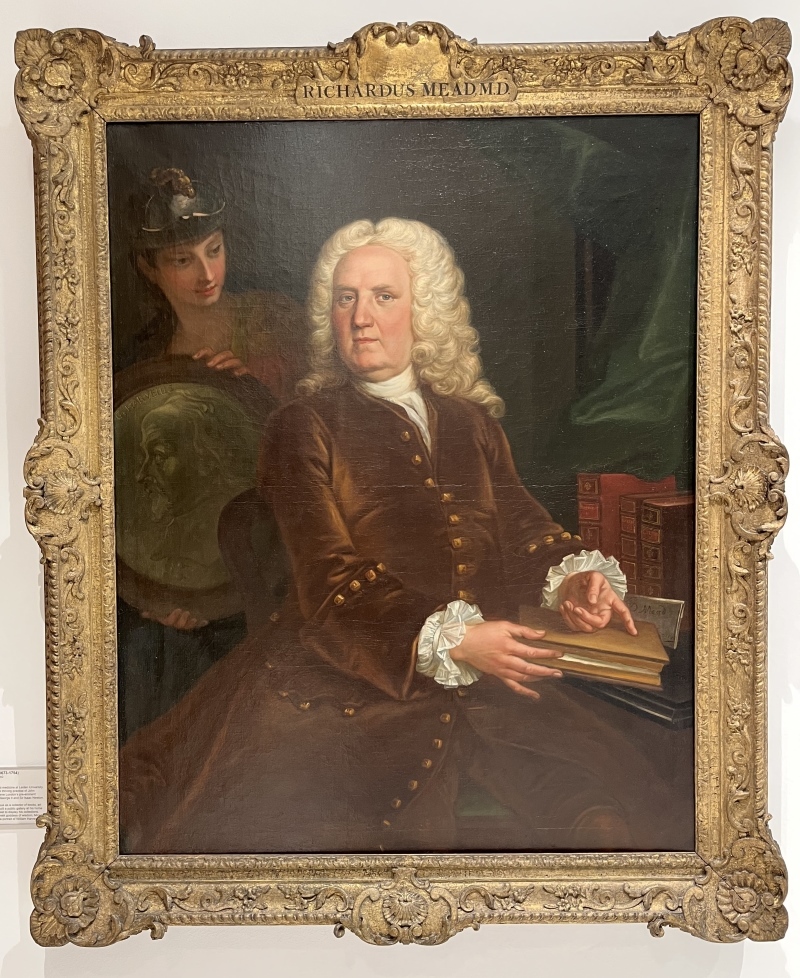
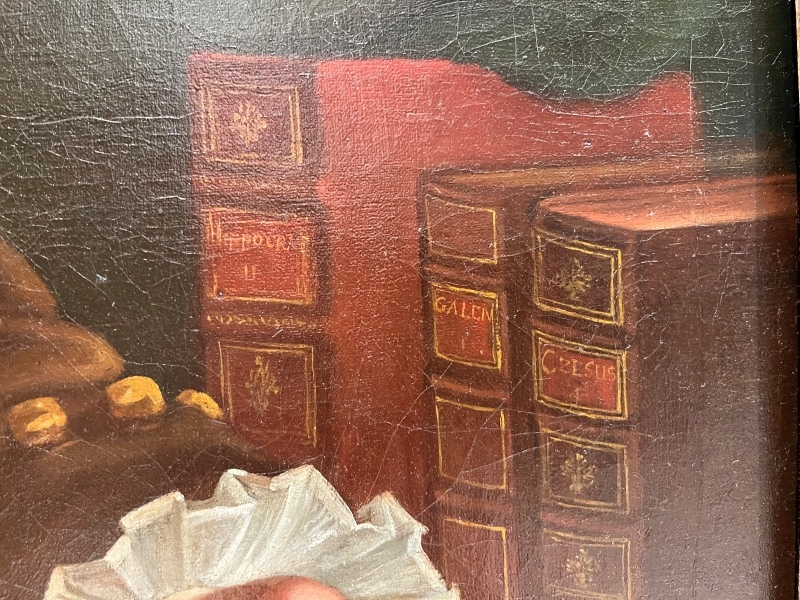
Not part of the specific exhibition, but there were also a number of portraits round the building and I thought this one was worth sharing as really good evidence of how central ancient texts remained right across this period. This portrait is of Dr Richard Mead and is dated c.1740. He was a high status physician, 'attended Queen Anne on her deathbed' (never sure that's a great advert 🤣) and was King George the second's doctor. Anyway, along with appearing entirely unphased by the appearance of the goddess of wisdom in his study clutching a portrait of the iconic William Harvey, I was drawn to his books...

The markers of a learned physician that they'd want emphasised in their portrait remained: Hippocrates, Galen and also the classical writerĀ Aulus Cornelius Celsus (c.25 BC – c.50 AD)

Permalink
Share post

This blog might contain posts that are only visible to logged-in users, or where only logged-in users can comment. If you have an account on the system, please log in for full access.

Total visits to this blog: 62365